Why MEP Engineering Matters in Modern Construction
Modern buildings do far more than stand upright. They must cool, power, protect, ventilate, and support the people inside them every day. That is why mep engineering plays such a central role in construction today. From residential towers and offices to hospitals, retail spaces, and industrial sites, building performance depends on the systems hidden behind walls, above ceilings, and below floors.
For developers, architects, consultants, and facility owners, the goal is no longer just to complete a project. The goal is to create a building that works well over time, controls operating costs, supports occupant comfort, and meets safety standards. This is where coordinated technical planning becomes essential.
At Workman Services, this need is clear across projects in Lahore and wider Pakistan. With experience in HVAC and Fire Fighting solutions, the company supports clients who need dependable technical systems for commercial, residential, healthcare, and industrial environments. In this article, we will explain why mep engineering matters, how it improves modern projects, and what building owners should expect from a capable technical partner.
What Is MEP Engineering?
mep engineering refers to the design, coordination, and execution of mechanical, electrical, and plumbing systems in a building. These systems are the core services that make a structure functional, safe, and efficient.
In simple terms:
- Mechanical systems include HVAC, ventilation, air distribution, and cooling solutions
- Electrical systems cover power distribution, lighting, wiring, backup systems, and controls
- Plumbing systems handle water supply, drainage, and related utility networks
Together, these systems form the technical backbone of any modern facility. Without proper planning, even a well-designed building can face costly issues such as poor airflow, high energy use, overloaded electrical lines, water leakage, weak fire safety planning, or maintenance problems.
That is why mechanical electrical plumbing coordination should start early in the project lifecycle rather than being treated as an afterthought.
Why Modern Construction Depends on MEP Systems
Construction has changed. Buildings are now expected to meet stricter standards for energy use, comfort, indoor air quality, safety, and long-term performance. As a result, mep engineering has become a strategic part of project planning rather than just a technical support function.
Here are the main reasons it matters.
1. It Makes Buildings Functional
A building is only useful when its systems work together. Occupants expect cool air, proper lighting, safe wiring, clean water, drainage, and emergency protection. These are not luxury features. They are basic building requirements.
Well-planned mechanical electrical plumbing systems ensure that:
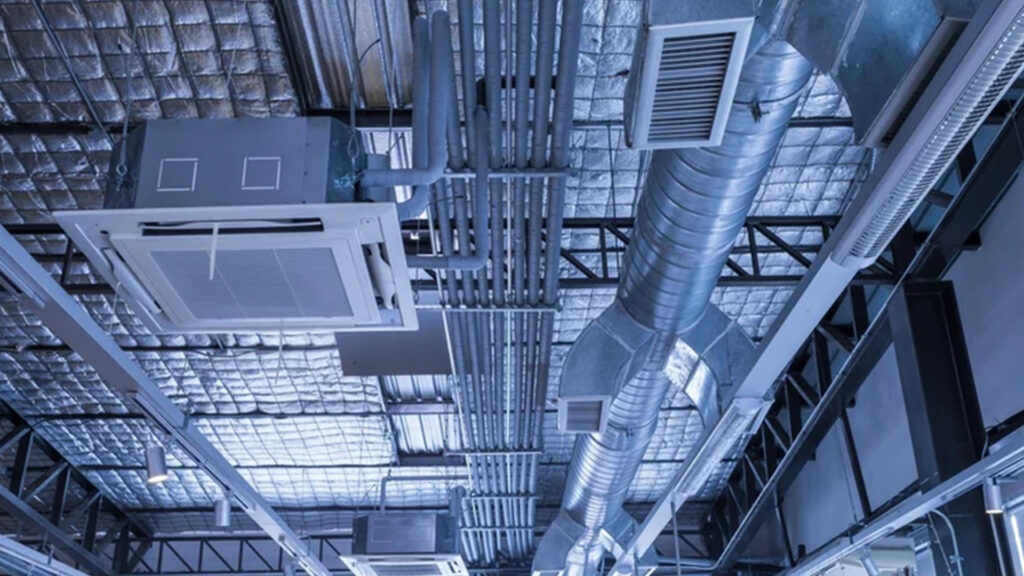
- Air flows properly through occupied spaces
- Temperature remains stable and comfortable
- Electrical loads are distributed safely
- Water reaches the right locations with adequate pressure
- Drainage systems work without disruption
- Fire protection systems can respond when needed
Without this coordination, even premium construction can fail in day-to-day use.
2. It Reduces Construction Errors
One of the biggest risks in construction is system conflict. Ducts may clash with beams. Electrical conduits may interfere with plumbing lines. Equipment access may be blocked after installation. These mistakes waste time and money.
This is where mep drawings become essential. Clear technical drawings help teams see how systems fit together before site work begins. They improve coordination among architects, structural consultants, contractors, and installers.
Accurate mep drawings can help teams:
- Detect clashes early
- Reduce rework on site
- Improve installation speed
- Support smoother approvals
- Keep project timelines under control
For complex buildings such as hospitals, offices, and industrial facilities, drawing accuracy is not optional. It is a major factor in successful execution.
3. It Improves Energy Efficiency
Energy efficiency is now a core business concern. Poorly designed systems can increase electricity bills for years. Oversized HVAC systems, inefficient duct layouts, bad ventilation planning, and poor controls can all raise operational costs.
A strong mep engineering approach helps balance performance with efficiency. It supports better equipment selection, load calculations, air distribution, and power planning. In commercial and industrial projects, this can have a major effect on lifecycle cost.
Examples include:
- Correct HVAC sizing to avoid energy waste
- Proper ventilation planning for healthier indoor air
- Smart control integration for lighting and cooling
- Better routing for reduced system losses
- Efficient pump, fan, and unit selection
For clients in Pakistan, where energy costs and reliability are serious concerns, these decisions directly affect return on investment.
4. It Supports Safety and Compliance
Modern buildings must meet safety expectations, especially in sectors like healthcare, hospitality, industry, and retail. Electrical overloads, poor ventilation, weak drainage, and limited fire response planning can create major hazards.
This is another reason mechanical electrical plumbing planning must be detailed and code-aware. Safe system design protects both people and property.
At Workman Services, HVAC and Fire Fighting solutions are part of this broader safety picture. Fire alarm planning, suppression support, air handling, smoke control considerations, and reliable system installation all contribute to a more secure built environment.
Strong coordination helps with:
- Fire protection readiness
- Emergency system support
- Safe electrical distribution
- Healthier air circulation
- Reliable system maintenance access
5. It Improves Long-Term Maintenance
A building does not end at handover. It must operate for years. If technical systems are poorly planned, maintenance becomes difficult, expensive, and disruptive.
This is where design quality, documentation, and smart layout decisions matter. Access panels, equipment spacing, service routes, and labeling all affect future maintenance work.
Professional mep drafting services help teams create layouts that are not only buildable, but also maintainable. This supports facility managers, maintenance staff, and future upgrades.
Benefits of strong service planning include:
- Easier equipment access
- Faster fault detection
- Lower maintenance downtime
- Better recordkeeping
- Simpler replacement planning
Good buildings are not just easy to build. They are easy to run.
The Role of MEP Drawings in Project Success
Technical coordination depends heavily on quality documentation. mep drawings act as the working language between design teams and site teams. They show dimensions, routing, levels, equipment locations, system relationships, and installation requirements.
In practice, detailed mep drawings help answer key project questions:
- Where will the air ducts run?
- How will power reach major equipment?
- Is there enough clearance for maintenance?
- How will plumbing lines avoid structural clashes?
- Can fire systems be integrated without affecting HVAC routes?
For large and medium-scale construction, these answers must be clear before installation starts. This is why many developers and contractors rely on specialized mep drafting services to strengthen project coordination and reduce avoidable risk.
Why MEP Drafting Services Add Value
Documentation quality often decides whether a project moves smoothly or gets delayed. Professional mep drafting services turn concepts into clear build-ready plans. They help engineers, consultants, and contractors align on exact system placement and execution details.
These services are especially useful for:
- Multi-story commercial buildings
- Hospitals and clinics
- Retail outlets and showrooms
- Industrial facilities
- Residential apartments and villas
Reliable mep drafting services support precision, speed, and consistency. They also make it easier to update plans when site conditions change. In real construction settings, flexibility matters. Field conditions rarely match theory perfectly, so technical drawing support must be practical and responsive.
Choosing the Right MEP Services Providers
Not all technical partners offer the same depth of planning and execution. The best MEP Services Providers understand both design logic and site realities. They know how to coordinate with architects, consultants, procurement teams, and installation crews.
When evaluating MEP Services Providers, look for these traits:
- Experience across multiple building sectors
- Strong coordination between design and execution
- HVAC expertise backed by real project delivery
- Fire Fighting system knowledge
- Clear documentation standards
- Local market understanding
- Responsive technical support
In Pakistan, local experience matters. Materials, climate conditions, site constraints, and project timelines often require practical adaptation. Workman Services brings this local relevance through its HVAC and Fire Fighting work in Lahore and beyond, supporting projects that need dependable technical execution.
Trusted MEP Services Providers do more than install systems. They help reduce risk, improve efficiency, and protect building performance over time.
MEP in Lahore and Pakistan: Why Local Expertise Matters
Construction in Lahore and across Pakistan comes with unique demands. Climate variation, power concerns, urban density, cost sensitivity, and fast-moving project schedules all affect system planning. That means generic design thinking is rarely enough.
A local engineering partner understands:
- Regional climate and cooling loads
- Utility conditions and backup needs
- Market-available equipment and brands
- Local construction practices
- Coordination challenges on active sites
- Compliance expectations for commercial and industrial work
Workman Services has positioned itself around these practical needs. Its experience in HVAC systems, air distribution solutions, and Fire Fighting support helps establish strong local authority in the built environment sector. For clients looking to build smarter, local system knowledge can prevent delays and improve outcomes.
How Better MEP Planning Helps Different Project Types
Different buildings need different technical strategies. That is why planning should be based on use, occupancy, and operational goals.
Residential Projects
Homes and apartment buildings need comfort, clean air, water reliability, and cost-effective utility planning.
Commercial Buildings
Offices, retail spaces, and showrooms need balanced cooling, stable power, lighting design, and strong fire protection coordination.
Hospitals
Healthcare projects require tighter control over ventilation, air quality, redundancy, and safety systems.
Industrial Sites
Factories and production facilities often need higher-capacity systems, better durability, and more detailed technical coordination.

Hospitality and Mixed-Use Projects
These projects require comfort, visual design integration, efficient operation, and round-the-clock reliability.
In each case, the value of mechanical electrical plumbing planning lies in matching technical systems to actual building use.
Best Practices for Strong MEP Project Outcomes
To improve results, project teams should follow a few simple but important practices:
- Start technical coordination early
- Review system loads before procurement
- Use clear and updated documentation
- Avoid last-minute routing decisions
- Coordinate HVAC and Fire Fighting requirements together
- Plan for maintenance access from day one
- Work with experienced technical specialists
These steps reduce confusion, control cost, and support long-term performance.
FAQ: MEP Engineering in Modern Construction
What does MEP stand for in construction?
MEP stands for mechanical, electrical, and plumbing. These systems make buildings functional, safe, and comfortable.
Why is MEP important in modern buildings?
It supports cooling, ventilation, power, water supply, drainage, and safety. Without proper planning, buildings face performance and maintenance problems.
What are MEP drawings used for?
They show how technical systems will be routed and installed. This helps avoid clashes, delays, and costly rework during construction.
What is the benefit of mep drafting services?
They improve coordination, create accurate technical documentation, and help contractors execute systems more efficiently on site.
How do MEP systems support fire safety?
They help coordinate alarms, suppression systems, ventilation controls, power supply, and emergency response functions within the building.
Why choose local MEP Services Providers in Pakistan?
Local providers understand climate, materials, site conditions, and regional construction needs. This helps improve planning accuracy and project efficiency.
How is Workman Services relevant to MEP work?
Workman Services brings practical expertise in HVAC and Fire Fighting solutions in Lahore and Pakistan, making it a strong technical partner for building system support.
Final Thoughts
Modern construction demands more than strong concrete and good finishes. It demands buildings that perform well every day. That is why mep engineering remains one of the most important parts of project success. It shapes comfort, energy use, safety, coordination, and long-term value.
For developers, consultants, architects, and building owners, the lesson is clear: invest in technical planning early, document systems properly, and work with experienced teams that understand both design and execution.
If your project in Lahore or Pakistan needs dependable HVAC and Fire Fighting support backed by practical building system expertise, Workman Services is well placed to help. The right technical foundation today can save time, money, and trouble for years to come.