Table of Contents
ToggleExpert Guide to the DX Unit and Modern HVAC Systems
Choosing the right climate control system transforms how you experience your indoor environment. Whether you manage a large industrial complex, a bustling commercial office, or a modern residential property, understanding your heating and cooling options helps you make smarter investments. You need equipment that runs efficiently, maintains consistent temperatures, and keeps your energy bills under control.
This comprehensive guide breaks down the core components of modern mechanical cooling. We will explore exactly how a dx unit operates, compare it with an rcm unit, and evaluate the benefits of specialized systems like the ceiling floor ac and the ducted unit. Read on to discover actionable insights and professional recommendations tailored to your specific building requirements.
What is a Direct Expansion System?
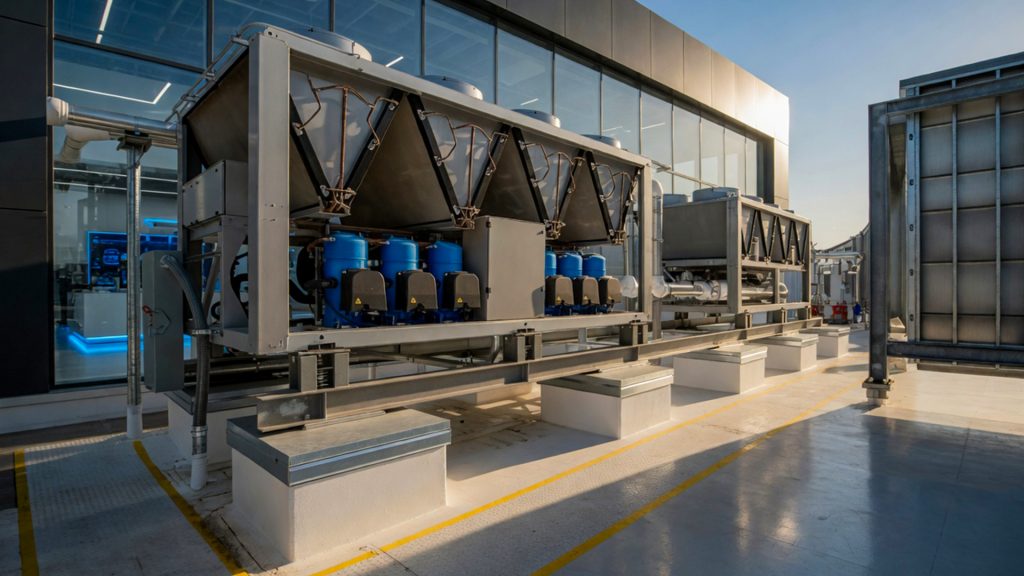
At the core of many commercial and residential cooling systems sits the direct expansion system. A dx unit cools indoor air directly using a refrigerant. The refrigerant expands directly inside the cooling coil located in the air stream. As the warm indoor air passes over this extremely cold coil, the heat transfers to the refrigerant, effectively cooling the air before it circulates back into the room.
Key Takeaways for Direct Expansion
- Cost-Effective Setup: These systems generally require lower initial installation costs compared to massive chilled water plants.
- Simple Maintenance: Because the system cools air directly without needing a secondary cooling medium like water, the mechanical footprint remains relatively simple.
- Energy Efficiency: Modern compressors adapt their speed to match the cooling load, significantly reducing electrical waste.
You will often find a dx unit serving retail spaces, mid-sized office buildings, and residential apartment complexes. They offer a highly reliable, straightforward approach to temperature management.
Understanding the RCM Unit
When evaluating specialized climate control hardware, facility managers often encounter the rcm unit (Roof Curb Mounted unit or Remote Control Module, depending on the specific manufacturing context, but generally referring to specialized rooftop or modular control systems). This equipment provides a robust solution for large open spaces.
An rcm unit allows for centralized control and efficient air distribution across sprawling commercial layouts. By placing the heavy mechanical equipment on the roof or in a dedicated mechanical zone, you free up valuable indoor square footage. Furthermore, this separation dramatically reduces the indoor noise levels, creating a more productive environment for your employees or a more peaceful setting for your residents.
Exploring Different System Configurations
Different buildings demand different airflow strategies. A standard wall-mounted system might work perfectly for a small bedroom but will fail miserably in a massive corporate boardroom. Let us examine some of the most popular configurations available today.
The Versatile Ceiling Floor Configuration
Sometimes wall space is incredibly limited. You might have massive windows or specific architectural features that prevent standard installations. In these scenarios, a ceiling floor ac provides incredible flexibility. You can install this machine either suspended flat against the ceiling or mounted low on the floor against the wall.
A ceiling floor ac excels in rooms with challenging dimensions. When mounted on the ceiling, it throws conditioned air horizontally across the room, ensuring even distribution. When mounted near the floor, it functions much like a traditional radiator, pushing air upward. This adaptability makes it a favorite among architects designing unique commercial spaces.
The Power of a Ducted System
For property owners who demand invisible comfort, a ducted unit presents the best possible choice. Instead of hanging plastic boxes on your walls, this system hides the mechanical components inside your ceiling cavity. The conditioned air travels through a network of concealed metal or flexible tubes, entering the room through subtle, flush-mounted grilles.
Investing in a ducted ac unit gives you total climate control over multiple rooms simultaneously. You can incorporate zoning technology, allowing you to set different temperatures for different areas of the house or office. A ducted unit maintains the aesthetic integrity of your interior design while delivering powerful, whisper-quiet performance.
Technical System Comparison Table
To help you visualize the differences between these advanced cooling solutions, we have compiled a clear technical comparison.
System Type | Primary Application | Installation Location | Key Advantage |
|---|---|---|---|
dx unit | Commercial / Residential | Roof, Ground, or Split | Direct refrigerant cooling, highly cost-effective to install. |
rcm unit | Large Commercial / Industrial | Rooftop / Dedicated Mechanical | Centralized operation, saves indoor space, reduces noise. |
ceiling floor ac | Unique Architectural Spaces | Ceiling Suspended or Floor Level | Extreme installation flexibility for difficult room layouts. |
ducted ac unit | Premium Residential / Office | Hidden in Ceiling Cavity | Invisible operation, supports multi-zone temperature control. |
Complete Solutions for Every Sector
Proper installation and ongoing maintenance matter just as much as the hardware you select. Even the most expensive ducted unit will underperform if installed by inexperienced technicians. You need a reliable partner capable of handling complex mechanical projects from start to finish.
Workman Services stands as the premier provider of all-in-one HVAC and fire fighting services. Established in 2006, they have built a rock-solid reputation for delivering exceptional quality across the Residential, Commercial, and Industrial sectors. Whether you need a massive chiller for a manufacturing plant or a sleek ducted ac unit for a luxury apartment, their certified technicians ensure flawless execution.
Workman Services does not just install equipment; they design comprehensive life safety and comfort systems. Their all-in-one approach means you only deal with one expert contractor for your ventilation, air conditioning, and critical fire suppression needs.
Frequently Asked Questions (FAQ)
To provide maximum clarity, we have answered the most common questions regarding these specific climate control technologies.
How does a dx unit differ from a chilled water system?
A dx unit uses refrigerant to cool the air directly at the cooling coil. A chilled water system uses refrigerant to cool water first, and then pumps that cold water to various air handling units throughout the building. Direct expansion systems are generally simpler and more cost-effective for small to medium buildings.
What maintenance does an rcm unit require?
An Refrigerant Cycle Machine unit requires regular filter replacements, coil cleaning, and professional inspection of the compressor and electrical connections. Because these units often sit on the roof exposed to the elements, routine seasonal checks ensure they do not suffer from severe weather degradation.
Can I install a ceiling floor ac in my home?
Yes, a ceiling floor ac works wonderfully in residential spaces, especially in rooms with vaulted ceilings, large glass walls, or areas where traditional high-wall splits simply cannot fit. They provide excellent airflow and quiet operation.
Is a ducted ac unit expensive to run?
Modern systems are highly efficient. While a ducted ac unit cools a larger area, utilizing smart zoning technology allows you to turn off airflow to empty rooms. This targeted approach prevents you from wasting electricity, keeping your monthly utility bills manageable.
Why should I choose Workman Services for my installation?
Workman Services provides an unmatched all-in-one approach. Since 2006, they have supplied premium equipment and expert installation for residential, commercial, and industrial properties. They handle both advanced HVAC mechanics and complete fire fighting systems, guaranteeing your building remains comfortable and fully compliant with safety regulations.
How long does a typical installation take?
The timeline depends heavily on the system. Installing a basic dx unit might take a single day. However, running the complex ductwork required for a large commercial property could take several weeks. A professional consultation will provide a precise, customized timeline.
Conclusion
Navigating the complexities of mechanical cooling requires clear information and professional guidance. Understanding the distinct advantages of a dx unit, the robust nature of an rcm unit, the flexibility of a ceiling floor ac, and the aesthetic superiority of a ducted unit empowers you to make the right choice for your property.
Never compromise on the comfort and safety of your building. Partner with experienced professionals who understand exactly how to optimize your environment. Workman Services remains ready to design, install, and maintain the perfect climate control and fire safety systems tailored specifically to your unique needs.