Table of Contents
ToggleYour Essential Guide to Buying an AHU Unit for Optimal Air Quality
Maintaining superior air quality in commercial and industrial buildings is not just a luxury; it’s a necessity. An Air Handling Unit (AHU) is the heart of any large-scale HVAC system, responsible for conditioning and circulating air. Making the decision to buy AHU unit systems for your facility is a major investment in comfort, health, and operational efficiency. This guide will walk you through the essential considerations, from understanding the technology to selecting the right partner for your project.
We will explore the factors that determine the overall AHU unit price, what to look for in a reliable ahu supplier, and the specific landscape to navigate when you want to buy AHU in Pakistan. Whether you’re outfitting a hospital, a manufacturing plant, or a commercial tower, this information will help you make a confident and informed choice.
What Exactly is an Air Handling Unit?
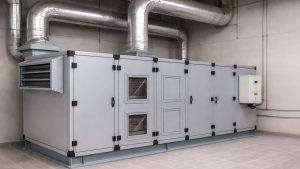
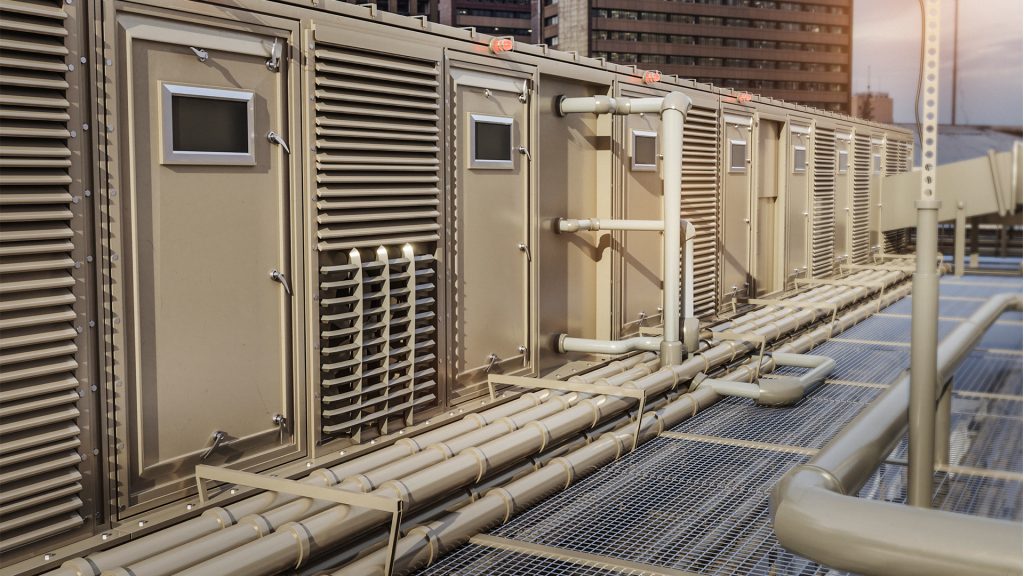
Before you buy AHU unit components, it’s important to understand what they do. An AHU is a large metal box containing a variety of components that condition and circulate air as part of a building’s HVAC system. Its primary functions include heating, cooling, humidifying, dehumidifying, filtering, and mixing air to create the perfect indoor environment.
Unlike a simple air conditioner, an AHU is a complex assembly that can be customized to meet the precise requirements of a space. It typically includes a blower, heating or cooling elements, filter racks, sound attenuators, and dampers. The customization potential is a major factor influencing the final AHU system price.
Key Factors to Consider Before You Buy an AHU Unit
Purchasing an AHU is not an off-the-shelf transaction. It requires careful planning and consideration of several critical factors. A miscalculation can lead to poor performance, high energy bills, and occupant discomfort.
1. Building Application and Size:
The first step is to analyze the space. A hospital’s AHU will have different requirements (like advanced HEPA filtration) than one for a shopping mall or an office building. The total volume of the space determines the required airflow, measured in Cubic Feet per Minute (CFM), which is a primary driver of the unit’s size and capacity.
2. Component Selection:
An AHU is a modular system. The specific components you select will directly impact performance and the ahu unit price. Key components include:
- Filters: From basic panel filters to high-efficiency HEPA filters for cleanroom environments.
- Coils: Chilled water coils for cooling and hot water or steam coils for heating.
- Fans: Forward-curved, backward-curved, or plug fans, each offering different efficiency and noise levels.
- Humidifiers: Essential for environments requiring precise humidity control, like data centers or healthcare facilities.
3. Energy Efficiency:
Modern AHUs can be equipped with energy recovery technology, such as heat wheels or plate heat exchangers. These devices recover energy from the exhaust air and use it to pre-condition the incoming fresh air, significantly reducing heating and cooling loads. While this technology can increase the initial AHU system price, the long-term energy savings are substantial.
4. Finding a Reputable AHU Supplier:
Your choice of an ahu supplier is just as important as the unit itself. A good supplier acts as a partner, offering technical expertise, design support, and reliable after-sales service. When you are looking to buy AHU in Pakistan, finding a supplier with a proven track record and local presence is crucial for project success.
Types of Air Handling Units: Which is Right for You?
AHUs come in various configurations. Understanding the main types will help you have a more productive conversation with your ahu supplier.
|
AHU Type |
Description |
Best For |
Key Advantage |
|---|---|---|---|
|
Modular AHU |
Constructed from separate modules (fan, filter, coil, etc.) that are assembled on-site. |
Large commercial and industrial projects requiring high customization. |
Ultimate flexibility in design and configuration. Can be fitted into tight mechanical rooms. |
|
Packaged/Rooftop AHU |
A self-contained unit where all components are housed in a single casing. Typically installed on the roof. |
Single-story commercial buildings like retail stores, restaurants, and small offices. |
All-in-one solution, easier and faster installation. |
|
Makeup Air Unit (MAU) |
A specialized AHU designed to supply 100% fresh, conditioned outdoor air to a space. |
Commercial kitchens, laboratories, and buildings with high exhaust requirements. |
Replaces exhausted air and maintains positive building pressure, improving indoor air quality. |
The decision to buy AHU unit systems of a specific type will depend entirely on your project’s unique demands. A knowledgeable ahu supplier can guide you through this selection process.
The Process to Buy AHU in Pakistan
The market for HVAC solutions in Pakistan is robust, serving a wide range of industrial, commercial, and healthcare sectors. When you decide to buy AHU in Pakistan, the process involves several key stages to ensure you receive a high-quality, effective system.
First, identify local or regional suppliers with a strong portfolio of completed projects. An experienced provider will understand the local climate conditions and building codes, ensuring your system is compliant and efficient. At Workman Services, we have extensive experience in delivering tailored HVAC and life safety solutions across Pakistan, from luxury apartments to large-scale hospitals.
Second, engage in a detailed consultation. This is where your requirements are translated into technical specifications. This step is critical for determining the correct unit size, components, and ultimately, the AHU system price. Finally, a reliable partner will not only supply the unit but also offer expert installation, commissioning, and long-term maintenance services, which is vital when you buy AHU in Pakistan.
Understanding the AHU Unit Price
One of the most common questions from clients is about the ahu unit price. It’s important to understand that this is not a fixed cost. The price is a reflection of the unit’s size, complexity, materials, and brand. Key cost drivers include:
- Capacity (CFM): Larger airflow requirements mean a larger, more powerful, and more expensive unit.
- Materials: Standard galvanized steel is common, but applications requiring corrosion resistance might need stainless steel or aluminum, affecting the cost.
- Customization: The more specialized the components (e.g., explosion-proof motors, advanced filtration), the higher the investment.
- Brand and Origin: Globally recognized brands may have a different price point compared to regional manufacturers.
Instead of focusing solely on the initial ahu unit price, it’s wiser to consider the Total Cost of Ownership (TCO). This includes the purchase cost, installation, energy consumption, and maintenance over the unit’s lifespan. An energy-efficient unit might have a higher upfront AHU system price but will save you more money in the long run.
Finalizing Your Decision to Buy an AHU Unit
Making the final decision to buy AHU unit hardware is a significant step. The right system will provide years of reliable service, ensuring a comfortable and healthy indoor environment for occupants while keeping operational costs in check. The success of your investment hinges on a thorough analysis of your needs and selecting the right partners for design, supply, and installation.
For any project, especially if you plan to buy AHU in Pakistan, working with a seasoned team is non-negotiable. Professionals like Workman Services offer the expertise to design and deliver a complete solution, ensuring that every component works in harmony to meet your performance goals.
Frequently Asked Questions (FAQ)
1. What is the difference between an AHU and an FCU (Fan Coil Unit)?
An AHU is a large, centralized system that conditions air for a significant portion or the entirety of a building. An FCU is a much smaller, simpler device that conditions air for a single room or zone. FCUs typically only contain a coil and a fan and are part of a larger HVAC system where the primary air treatment is done by an AHU or chiller.
2. How long does an Air Handling Unit last?
A well-maintained AHU can last for 20-30 years. The lifespan depends heavily on the quality of the components, the operating environment, and the consistency of the maintenance schedule. Regular filter changes, coil cleaning, and fan inspections are crucial.
3. Why is fresh air intake important in an AHU?
Fresh air intake is vital for maintaining good indoor air quality (IAQ). It dilutes indoor pollutants, removes odors, and replenishes oxygen, preventing the “sick building syndrome” and creating a healthier environment for occupants. The amount of fresh air required is often dictated by local building codes and standards.
4. What maintenance is required after I buy an AHU unit?
Regular maintenance is critical. Key tasks include:
- Inspecting and replacing filters regularly.
- Cleaning heating and cooling coils.
- Checking and tensioning fan belts.
- Lubricating bearings and motors.
- Ensuring drains are clear and functional.
It is highly recommended to have a preventive maintenance contract with a qualified HVAC service provider.
5. How does the AHU system price relate to long-term costs?
The initial AHU system price is only one part of the total cost. A cheaper unit might use less efficient fans or lack energy recovery features, leading to significantly higher electricity bills over its lifetime. Investing in a more efficient, high-quality system can result in a lower Total Cost of Ownership, making it a smarter financial decision.