
The Complete Guide to Advanced Climate Control for Modern Buildings
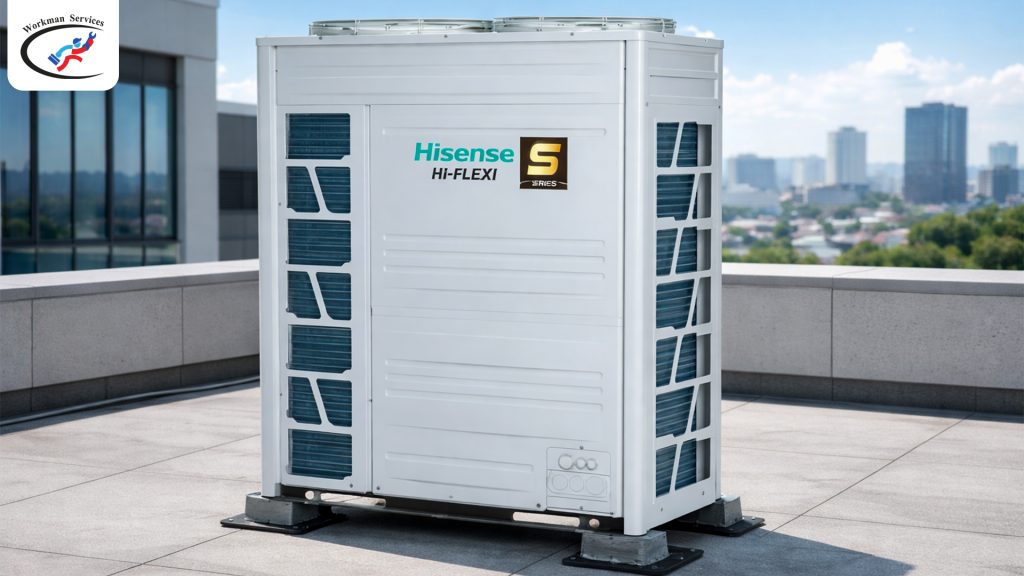
The Complete Guide to Advanced Climate Control for Modern Buildings In the sweltering heat of Lahore or the arid climate of Abu Dhabi, reliable air conditioning isn’t just a luxury—it’s a survival necessity. Traditional cooling methods often struggle to balance comfort with energy bills. If you manage a large commercial space, a hospital, or a luxury villa, you might notice that standard split units just don’t cut it, and massive central systems can be overkill for partial usage. This is where advanced climate technology steps in. Specifically, we are talking about the technology that has revolutionized energy efficiency in modern construction. At Workman Services, we have spent over 18 years mastering the art of cooling, and we believe the future of comfortable living lies in intelligent air distribution. What is a VRF System? Variable Refrigerant Flow technology is a sophisticated method of air conditioning that circulates only the minimum amount of refrigerant needed during a single heating or cooling period. This mechanism allows you to individually control several air conditioning zones at one time. Unlike conventional systems that simply turn on and off completely, these systems feature inverter compressors that can operate at varying speeds. This means the system works only as hard as needed to maintain the desired temperature, resulting in substantial energy savings. For building owners, this technology offers a modular design. You can connect multiple indoor units to a single outdoor unit. This reduces the footprint on your roof or ground level while maximizing the cooling potential inside. How It Works The magic lies in the name: Variable Refrigerant Flow. The system controls the amount of refrigerant flowing to the multiple evaporators (indoor units), enabling the use of many evaporators of differing capacities and configurations connected to a single condensing unit. This arrangement provides an individualized comfort level, and simultaneous heating and cooling in different zones. Why Choose a VRF System HVAC Setup? When you install a vrf system hvac solution, you are investing in precision. Here is why architects and engineers across Pakistan and the UAE are shifting towards this technology. 1. Superior Energy Efficiency Energy costs in commercial buildings can be astronomical. A standard VRF ac setup minimizes ductwork energy losses, which are estimated to account for 30% of energy consumption in central air conditioning. Because the system varies its speed rather than stopping and starting, it consumes much less electricity. 2. Zoning Capabilities Imagine a large office building. The conference room is packed with people and needs heavy cooling. The executive office is empty. The server room needs constant cold air. A vrf system hvac installation handles all these needs simultaneously. You don’t waste money cooling empty rooms, and every occupant controls their own environment. 3. Quiet Operation The noisy compressor unit is located outside, often far away from the occupied spaces. The indoor units are designed to be whisper-quiet, making them perfect for environments like hospitals and luxury apartments where silence is golden. 4. Aesthetic Flexibility Whether you prefer sleek wall-mounted units, concealed ducted units, or ceiling cassettes, the hardware is versatile. It blends seamlessly into the interior design without the bulky ductwork required by older systems. Comparing Cooling Giants: VRF vs. Chiller A common dilemma for facility managers is choosing between a Chiller system and a VRF setup. Both are powerful, but they serve different needs. A Chiller uses water to transport heat, while VRF uses refrigerant. Here is a breakdown to help you decide which is right for your project. Feature VRF System Chiller System Cooling Medium Refrigerant Water Energy Efficiency High (Inverter technology) Moderate to High (depends on load) Space Requirement Compact outdoor units Requires large plant room/roof space Installation Complexity Moderate (Refrigerant piping) High (Pumps, towers, piping) Maintenance Minimal routine checks Requires specialized, frequent maintenance Best For Offices, Hotels, Luxury Homes Mega-malls, Large Industrial Plants Zoning Control Excellent (Room by room) Good (Zone by zone) If you are running a massive industrial plant, a Chiller might still be the standard. However, for most commercial buildings, high-end residences, and mixed-use developments, the flexibility of Variable Refrigerant Flow technology often wins. Workman Services: Your Cooling Partners At Workman Services, we don’t just sell boxes; we design comfort. Established in 2006, we have grown from a local service provider to a multinational expert in HVAC and fire safety. We understand that installing a VRF ac is a significant investment. That is why our process involves detailed planning and coordination. Our Expertise We specialize in: Design & Planning: We calculate the exact thermal load of your building to recommend the right system size. Installation: Our certified technicians ensure piping is leak-proof and insulation is perfect. Maintenance: We offer comprehensive after-sales support to keep your system running for decades. Where We Operate Our footprint spans key regions where climate control is critical: Lahore: M1 Bara Tower, 36 Queens Road Abid Market. Rawalpindi: Satellite Town. Faisalabad: Muhammad Nagar Satiana Road. UAE: Musaffah M-26, Abu Dhabi. Whether you are looking for a Chiller for a factory or a vrf system hvac for a boutique hotel, our 300+ satisfied clients and 25 years of industry experience speak for themselves. Installation and Maintenance Best Practices Getting the most out of your Variable Refrigerant Flow system requires professional handling. Precise Installation The refrigerant piping network is the lifeline of the system. Unlike water pipes, refrigerant lines must be installed with extreme precision to handle high pressures. Workman Services employs technicians who are specifically trained in these complex installations. Poor installation can lead to refrigerant leaks, which destroys efficiency and harms the environment. Regular Maintenance While these systems are robust, they are not maintenance-free. To ensure longevity: Clean Filters: Clogged filters restrict airflow and strain the system. Check Refrigerant Levels: Low levels indicate leaks and reduce cooling power. Inspect Electrical Connections: Inverter boards are sensitive and need tight, clean connections. The Future of Cooling is Smart As we move toward smarter cities and greener buildings, the adaptability of the VRF platform becomes even more valuable. These systems can now
Choosing a VRF AC Supplier: A Guide to Next-Generation Climate Control
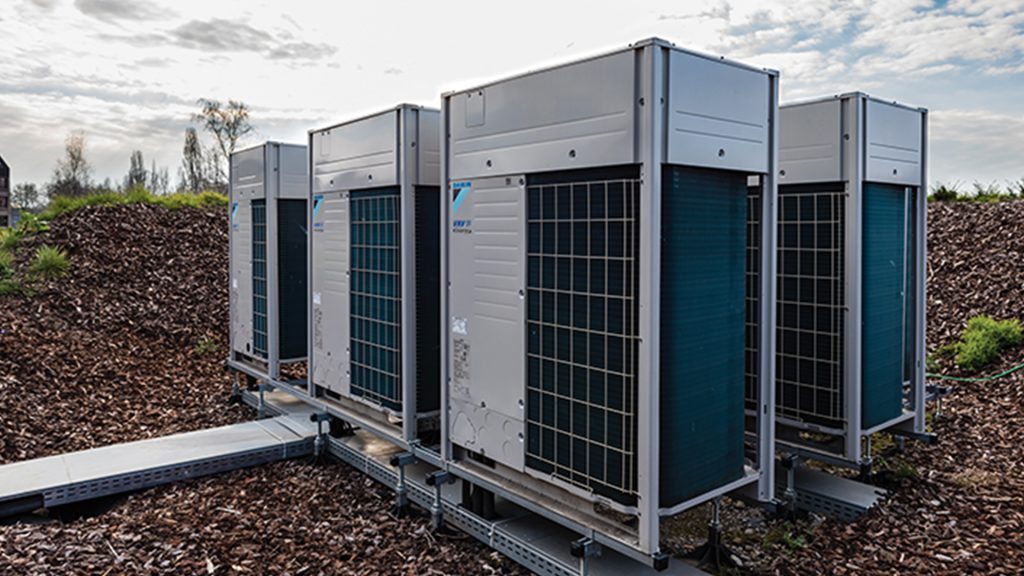
Choosing a VRF AC Supplier: A Guide to Next-Generation Climate Control Modern buildings demand sophisticated solutions for heating, ventilation, and air conditioning. As energy efficiency and personalized comfort become top priorities for facility managers and homeowners, traditional HVAC systems are often outmatched. This is where Variable Refrigerant Flow (VRF) technology comes into play, offering unparalleled efficiency and scalability. However, the system is only as good as the team that designs and installs it. Choosing the right VRF AC supplier is the most critical decision in your journey toward a smarter climate control solution. At Workman Services, we specialize in deploying these advanced systems. This comprehensive guide will explain the technology, outline the benefits, and help you understand what to look for when you’re ready to make a vrf buy. Demystifying the Technology: What is VRF? Before you can choose a supplier, it’s essential to understand the product. So, what is vrf? VRF stands for Variable Refrigerant Flow. Unlike traditional systems that circulate chilled water or push a constant volume of air, VRF systems use refrigerant as the cooling and heating medium. A single outdoor condensing unit connects to multiple indoor units, each capable of individual temperature control. The “variable” part is the key. The system modulates the amount of refrigerant sent to each indoor unit based on its specific need. This means a conference room can be cooled while an adjacent, unoccupied office receives no conditioning, saving tremendous amounts of energy. This technology answers the question, “what is vrf,” by showcasing its intelligence and efficiency. It’s a leap forward from the one-size-fits-all approach of older HVAC systems. The Advantages of a VRF System Why is VRF technology becoming the standard for commercial buildings, hotels, and luxury residences? The benefits are clear: Superior Energy Efficiency: By running at partial loads and only conditioning occupied spaces, VRF systems can reduce energy consumption by up to 40% compared to conventional systems. Zoned Comfort: Occupants can set their preferred temperature for their specific zone, eliminating “thermostat wars” and improving overall comfort and productivity. Quiet Operation: The main noise-producing components are located in the outdoor unit. The indoor units are whisper-quiet, making them ideal for noise-sensitive environments like hospitals, libraries, and bedrooms. Simultaneous Heating and Cooling: Advanced heat recovery VRF systems can take heat from a zone being cooled (like a server room) and transfer it to a zone that needs heating (like a perimeter office in winter). This “free” heating further boosts efficiency. Space-Saving Design: VRF systems typically require less ceiling space than traditional ducted systems and eliminate the need for large mechanical rooms. Understanding these advantages is the first step. The next is finding a qualified VRF AC supplier to bring them to life. Finding the Right Partner: What to Look for in a VRF AC Supplier The complexity of VRF technology means that installation is not a job for a general HVAC technician. It requires specialized training and tools. Your choice of VRF AC supplier will directly impact the performance, reliability, and lifespan of your system. Here’s what to look for: Certified Expertise: The supplier should have factory-certified technicians for the brands they carry. This certification proves they have undergone rigorous training on design, installation, and service. Design Capabilities: A top-tier vrf supplier won’t just sell you boxes. They will have an in-house engineering team that performs detailed load calculations and creates a custom design for your building’s unique needs. Proven Track Record: Ask for a portfolio of past projects and client references. An experienced vrf supplier will have a history of successful installations in buildings similar to yours. Comprehensive Service: The relationship shouldn’t end after installation. Look for a VRF AC supplier that offers robust maintenance plans and responsive emergency service. This ensures your investment is protected for the long haul. Workman Services meets all these criteria, positioning us as a leading VRF AC supplier for clients who demand excellence. Understanding the Factors Behind the VRF AC Price When you decide to vrf buy, budgeting is a primary concern. The vrf ac price is influenced by several key factors, and it’s important to consider the total cost of ownership rather than just the initial quote. System Type (Heat Pump vs. Heat Recovery): A standard heat pump VRF system can provide either heating or cooling to all zones at one time. A heat recovery system, which allows for simultaneous heating and cooling, is more complex and comes with a higher upfront vrf ac price, but it offers greater energy savings in diverse environments. Building Size and Complexity: The number of indoor units, the total length of refrigerant piping, and the difficulty of the installation all impact the final cost. Brand and Features: Premium brands with advanced controls and higher SEER (Seasonal Energy Efficiency Ratio) ratings will naturally have a different price point than more basic models. Labor and Design Costs: The expertise required for proper VRF design and installation is a significant component of the overall vrf ac price. Cutting corners here with a less qualified vrf supplier is a recipe for future problems. While the initial vrf ac price may be higher than some alternatives, the long-term energy savings and reduced maintenance often result in a lower total cost over the system’s life. Navigating Your VRF Buy: A Step-by-Step Process Making a vrf buy is a significant investment. A professional vrf supplier will guide you through a structured process to ensure a successful outcome. Consultation and Assessment: The process begins with a thorough discussion of your needs and a site survey to evaluate your building’s layout, insulation, and existing infrastructure. System Design: The engineering team will use software to model the building’s heat loads and design a system that matches capacity to demand perfectly. This step answers the “what is vrf” question in a practical sense, mapping out the solution. Proposal and Selection: You’ll receive a detailed proposal outlining the recommended equipment, installation plan, and transparent pricing. This is the point where you finalize your vrf buy. Installation and Commissioning: