
Best VRF Services Provider for Advanced Commercial Climate Control

Best VRF Services Provider for Advanced Commercial Climate Control Need precise climate control for a large commercial space? A modern VRF setup provides the exact solution you need to maximize energy efficiency and comfort. Many building owners struggle with high utility bills, uneven cooling, and constant tenant complaints. Fixing these issues requires moving away from outdated cooling methods and embracing smart, zoned air distribution. This guide explains how advanced climate control networks operate, why professional installation matters, and how to choose the right setup for your property. You will learn the core mechanics of these systems, compare them directly to traditional centralized units, and discover the best ways to maintain them over time. We will also explore how working with experienced mechanical engineers transforms your building’s operational efficiency. Understanding Variable Refrigerant Flow Technology Variable Refrigerant Flow represents a major leap forward in commercial and luxury residential heating, ventilation, and air conditioning. Instead of pushing chilled air through massive, leaky ducts, these systems pump liquid and gas refrigerant directly to individual room units. A single outdoor condensing unit connects to multiple indoor air handlers, allowing each room to operate on its own thermostat. By adjusting the motor speed and the amount of refrigerant flowing to each zone, the system perfectly matches the exact thermal demand of the building. It never runs at full capacity unless absolutely necessary. This smart modulation drastically reduces energy consumption compared to traditional units that constantly turn on and off. When you invest in proper Variable Refrigerant Flow services, technicians can configure the network to heat one room while cooling another simultaneously. This heat recovery process is incredibly efficient for large office buildings, hospitals, and luxury apartments. The technology completely eliminates the need for bulky ductwork, saving valuable ceiling space and reducing structural requirements during construction. The Anatomy of a Zoned Cooling Network Understanding the internal components of these systems helps facility managers appreciate their long-term value. The entire network relies on a few highly sophisticated pieces of equipment working in perfect harmony. Key components include: Inverter-Driven Compressors: Located outside, these compressors adjust their speed smoothly to maintain consistent pressure and temperature. Branch Selector Boxes: These crucial devices route the correct state of refrigerant (liquid or gas) to specific indoor zones, enabling simultaneous heating and cooling. Indoor Air Handlers: Available in ceiling cassette, wall-mounted, or concealed ducted formats, these units deliver the conditioned air silently into the room. Smart Thermostats: Advanced control panels allow building managers to monitor power usage, adjust schedules, and troubleshoot errors remotely. Choosing a VRF configuration requires careful planning. Engineers must calculate exact pipe lengths, elevation changes between floors, and the precise cooling load of every single room. The Impact of Professional Installation and Maintenance Installing these complex networks requires specialized engineering knowledge and precise calibration. Relying on expert VRF Services ensures your equipment operates at peak performance from day one. Certified technicians calculate the exact cooling loads required for your specific floor plan, preventing major issues like short-cycling or inadequate airflow. Routine maintenance is another critical aspect of system longevity. Regular Variable Refrigerant Flow services include inspecting electrical connections, cleaning condenser coils, and verifying precise refrigerant charge levels. If a system runs with low refrigerant, the compressor works much harder, leading to premature failure and expensive emergency repairs. Working with experienced professionals also guarantees compliance with local building codes and strict safety regulations. You want a mechanical engineering team that deeply understands the nuances of modern commercial architecture. This is exactly why smart property managers actively secure dependable VRF Services to establish long-term, preventative maintenance contracts. Comparing Climate Control Options Choosing the right cooling infrastructure requires a clear understanding of how different technologies stack up against each other. Below is a detailed comparison table to help you make an informed decision for your next commercial or residential project. Feature VRF Traditional Chiller Standard Split AC Zoning Capability Excellent (Room-by-room) Moderate (Zone-based) Poor (Single zone) Energy Efficiency Very High Moderate to High Low to Moderate Space Requirements Minimal (No large ducts) High (Mechanical room) Moderate (Many outdoor units) Installation Cost High Very High Low Maintenance Needs Moderate High Low Best Application Mixed-use, Offices, Hospitals Large industrial plants Small homes, Single rooms As the table demonstrates, advanced zoning technology offers the best balance of energy efficiency and space-saving design for multi-room facilities. Expert Solutions from Workman Services Since 2006, Workman Services has delivered exceptional mechanical cooling and fire safety solutions. We understand that every single building presents unique thermal challenges. Our engineering team designs custom layouts that maximize occupant comfort while aggressively minimizing operational costs. We partner with globally recognized brands like Midea, Gree, Super General, Acson, Eco Star, and Hitachi to supply premium equipment for your facility. These trusted manufacturers produce highly durable units designed specifically to withstand extreme summer temperatures. By combining top-tier hardware with our meticulous Variable Refrigerant Flow services, we guarantee an optimal indoor environment for your employees, patients, and guests. Our extensive project portfolio includes luxury villas, automotive showrooms, large manufacturing units, and major healthcare facilities. We have successfully completed installations for prestigious clients including DINER’S, LAMA, Bank Al Falah, Ethnic, the Punjab Forensic Science Agency, and PKLI Hospital. When you need comprehensive Variable Refrigerant Flow services, our certified technicians arrive on schedule and execute the project flawlessly from start to finish. Integrating HVAC with Fire Safety Modern building management requires integrating your air distribution systems with robust life safety protocols. Workman Services excels in this dual discipline. Alongside our cooling solutions, we provide comprehensive fire fighting supply and installation. We install fire suppression systems, advanced smoke alarms, and develop professional fire evacuation planning. A well-designed climate control system must interface perfectly with your fire alarms. In the event of an emergency, the air handlers must shut down automatically to prevent ventilation fans from feeding oxygen to a fire or spreading dangerous smoke through the corridors. Partnering with us for your VRF Services guarantees absolute peace of mind regarding both comfort and life safety. Securing Top Local Contractors
Why You Should Buy VRF for Ultimate Comfort!
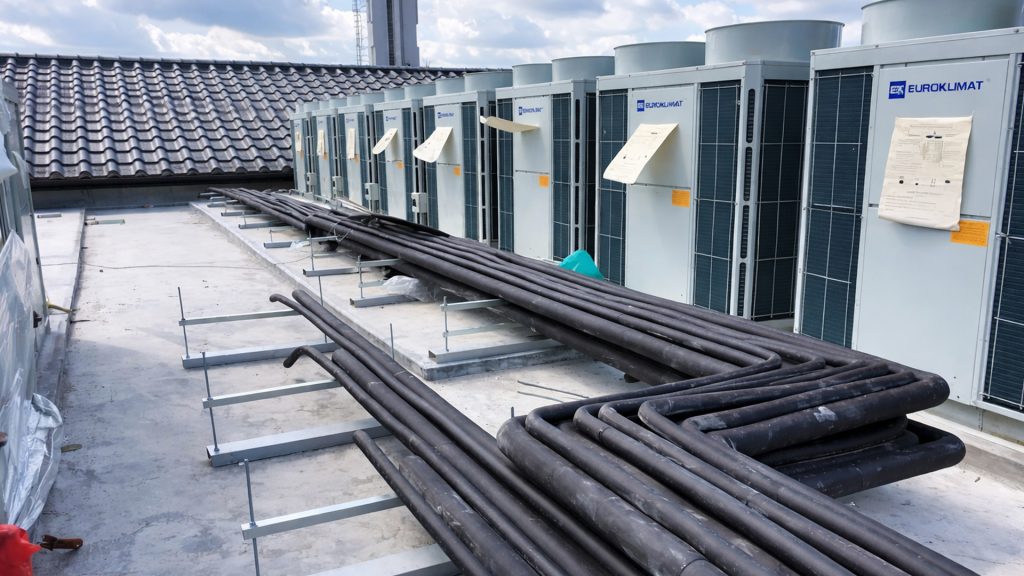
Why You Should Buy VRF for Ultimate Comfort I remember walking into a massive office building a few years ago right in the middle of July. The lobby was freezing cold, but by the time I reached the third-floor conference room, it was sweltering! Everyone was sweating, fanning themselves with file folders, and looking absolutely miserable. Have you ever experienced that frustrating temperature guessing game in a large building? It is the absolute worst! That uneven cooling happens when buildings rely on outdated air conditioning technology. But guess what? There is a magical solution that fixes this completely! If you want to transform your entire building into a perfectly balanced oasis of comfort, you need to look into advanced cooling technologies. Specifically, deciding to buy VRF technology is one of the smartest upgrades you can possibly make. Today, we are going to dive deep into the wonderful world of Variable Refrigerant Flow. I am going to share everything you need to know about these brilliant setups. We will look at how they work, how to find the perfect partner for your project, and what to expect when planning your budget. By the end of this guide, you will be completely ready to make your space crisp, cool, and incredibly comfortable! What Makes a VRF System So Incredibly Special? Let’s talk about the magic behind the machinery! A standard air conditioner just blasts cold air until the thermostat clicks off. But a VRF system is brilliantly smart! Variable Refrigerant Flow means the equipment actually changes the exact amount of refrigerant flowing to different indoor units based on what each specific room needs. A VRF system is perfect for balancing temperatures in diverse spaces. For example, it can cool a sunny office while warming a shaded storage room simultaneously. This advanced technology ensures personalized comfort for every zone, eliminates thermostat battles, and maximizes energy efficiency—saving you money while keeping everyone comfortable. Finding a Trustworthy VRF Supplier You Will Love Now, you cannot just pick up this kind of equipment at your local hardware store. You need a dedicated, highly experienced professional! Choosing the right VRF supplier is like finding a great mechanic—once you find a good one, you will never want to let them go. So, what should you look for? First, you want a VRF supplier that actually takes the time to understand your specific building layout. They should ask you detailed questions about your daily operations, your ceiling types, and your ultimate comfort goals. If they just hand you a brochure and walk away, run in the other direction! This is exactly where Workman Services shines so brightly. They are not just a fantastic partner for cooling; they offer comprehensive life safety and HVAC solutions! Since 2006, they have been delivering absolute excellence. They evaluate your entire space to ensure you get the absolute best equipment available. Working with a top-tier VRF supplier means you get access to premium brands, brilliant designs, and a guarantee that your project will be handled with incredible care. Making Perfect Sense of the VRF Price Let’s talk about everyone’s favorite topic: the budget! When you first start planning your upgrade, the VRF price might seem a bit higher than throwing a few window units into your rooms. But you have to look at the big picture! The initial VRF price includes some of the most advanced, energy-saving technology on the planet. Because these setups are incredibly efficient, your monthly energy bills will drop significantly. Over time, the equipment practically pays for itself! I always tell my friends that investing in high-quality cooling is an investment in your property’s value and your daily happiness. Several factors will influence your final VRF price. The size of your building, the number of individual temperature zones you want, and the specific brand you choose all play a big part. But do not worry! A reputable professional will walk you through every single cost, line by line. They will help you find the sweet spot between ultimate performance and your specific budget. There are never any nasty surprises when you work with honest experts! The Absolute Importance of Pro VRF Installation Services Okay, here is a massive tip: never, ever try to cut corners on the actual setup process! You can buy the most expensive, brilliant equipment in the world, but if it is installed poorly, it will be a total nightmare. That is why securing expert VRF installation services is absolutely non-negotiable. These setups involve complex networks of refrigerant piping, specialized electrical wiring, and advanced digital controls. It is basically the central nervous system of your building! Top-notch VRF installation services ensure that every single pipe is perfectly sealed, every wire is safely connected, and the entire network communicates flawlessly. When you hire certified professionals for your VRF installation services, you also protect your manufacturer warranty. If a random handyman makes a mistake, your warranty is instantly voided! Workman Services takes immense pride in their execution. Their certified technicians handle everything from the initial design to the final testing and commissioning. They treat your building like it is their own, ensuring that when they flip that power switch, you are greeted with nothing but beautiful, refreshing air! Bringing It All Together With Workman Services Creating a perfect indoor environment is about so much more than just temperature. It is about total peace of mind! When you decide to buy VRF technology through Workman Services, you are getting an incredibly holistic approach to building management. Did you know they are also absolute experts in fire safety? It is true! While they are designing your brilliant new VRF system, they can also integrate top-of-the-line fire fighting supply, alarms, and suppression systems. Imagine how amazing it feels to know your building is perfectly chilled and completely protected against emergencies! Workman Services is deeply committed to 100% client satisfaction. They guide you from the very first consultation all the way through to regular, ongoing maintenance. So, when you are ready to
Choosing a VRF AC Supplier: A Guide to Next-Generation Climate Control
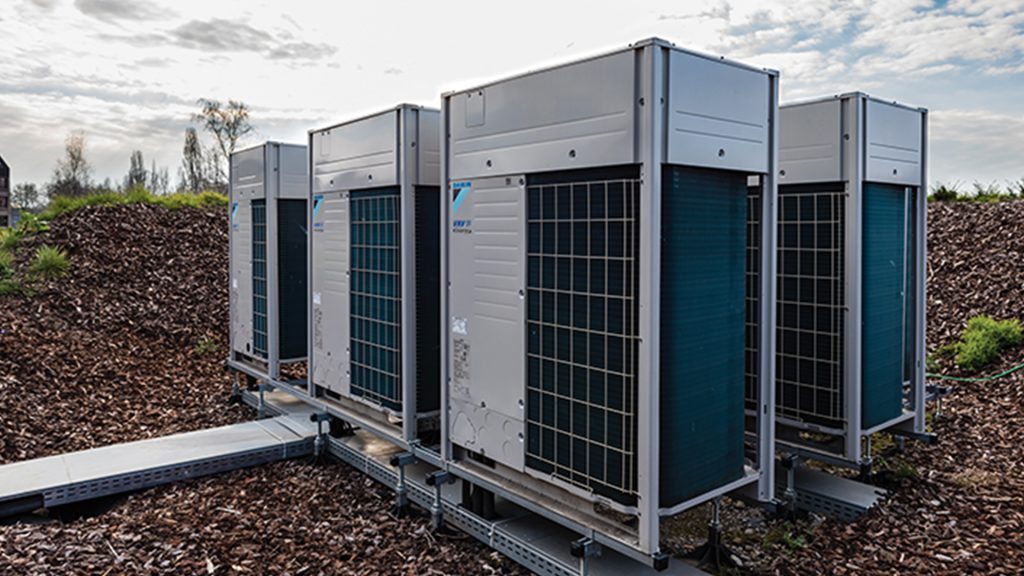
Choosing a VRF AC Supplier: A Guide to Next-Generation Climate Control Modern buildings demand sophisticated solutions for heating, ventilation, and air conditioning. As energy efficiency and personalized comfort become top priorities for facility managers and homeowners, traditional HVAC systems are often outmatched. This is where Variable Refrigerant Flow (VRF) technology comes into play, offering unparalleled efficiency and scalability. However, the system is only as good as the team that designs and installs it. Choosing the right VRF AC supplier is the most critical decision in your journey toward a smarter climate control solution. At Workman Services, we specialize in deploying these advanced systems. This comprehensive guide will explain the technology, outline the benefits, and help you understand what to look for when you’re ready to make a vrf buy. Demystifying the Technology: What is VRF? Before you can choose a supplier, it’s essential to understand the product. So, what is vrf? VRF stands for Variable Refrigerant Flow. Unlike traditional systems that circulate chilled water or push a constant volume of air, VRF systems use refrigerant as the cooling and heating medium. A single outdoor condensing unit connects to multiple indoor units, each capable of individual temperature control. The “variable” part is the key. The system modulates the amount of refrigerant sent to each indoor unit based on its specific need. This means a conference room can be cooled while an adjacent, unoccupied office receives no conditioning, saving tremendous amounts of energy. This technology answers the question, “what is vrf,” by showcasing its intelligence and efficiency. It’s a leap forward from the one-size-fits-all approach of older HVAC systems. The Advantages of a VRF System Why is VRF technology becoming the standard for commercial buildings, hotels, and luxury residences? The benefits are clear: Superior Energy Efficiency: By running at partial loads and only conditioning occupied spaces, VRF systems can reduce energy consumption by up to 40% compared to conventional systems. Zoned Comfort: Occupants can set their preferred temperature for their specific zone, eliminating “thermostat wars” and improving overall comfort and productivity. Quiet Operation: The main noise-producing components are located in the outdoor unit. The indoor units are whisper-quiet, making them ideal for noise-sensitive environments like hospitals, libraries, and bedrooms. Simultaneous Heating and Cooling: Advanced heat recovery VRF systems can take heat from a zone being cooled (like a server room) and transfer it to a zone that needs heating (like a perimeter office in winter). This “free” heating further boosts efficiency. Space-Saving Design: VRF systems typically require less ceiling space than traditional ducted systems and eliminate the need for large mechanical rooms. Understanding these advantages is the first step. The next is finding a qualified VRF AC supplier to bring them to life. Finding the Right Partner: What to Look for in a VRF AC Supplier The complexity of VRF technology means that installation is not a job for a general HVAC technician. It requires specialized training and tools. Your choice of VRF AC supplier will directly impact the performance, reliability, and lifespan of your system. Here’s what to look for: Certified Expertise: The supplier should have factory-certified technicians for the brands they carry. This certification proves they have undergone rigorous training on design, installation, and service. Design Capabilities: A top-tier vrf supplier won’t just sell you boxes. They will have an in-house engineering team that performs detailed load calculations and creates a custom design for your building’s unique needs. Proven Track Record: Ask for a portfolio of past projects and client references. An experienced vrf supplier will have a history of successful installations in buildings similar to yours. Comprehensive Service: The relationship shouldn’t end after installation. Look for a VRF AC supplier that offers robust maintenance plans and responsive emergency service. This ensures your investment is protected for the long haul. Workman Services meets all these criteria, positioning us as a leading VRF AC supplier for clients who demand excellence. Understanding the Factors Behind the VRF AC Price When you decide to vrf buy, budgeting is a primary concern. The vrf ac price is influenced by several key factors, and it’s important to consider the total cost of ownership rather than just the initial quote. System Type (Heat Pump vs. Heat Recovery): A standard heat pump VRF system can provide either heating or cooling to all zones at one time. A heat recovery system, which allows for simultaneous heating and cooling, is more complex and comes with a higher upfront vrf ac price, but it offers greater energy savings in diverse environments. Building Size and Complexity: The number of indoor units, the total length of refrigerant piping, and the difficulty of the installation all impact the final cost. Brand and Features: Premium brands with advanced controls and higher SEER (Seasonal Energy Efficiency Ratio) ratings will naturally have a different price point than more basic models. Labor and Design Costs: The expertise required for proper VRF design and installation is a significant component of the overall vrf ac price. Cutting corners here with a less qualified vrf supplier is a recipe for future problems. While the initial vrf ac price may be higher than some alternatives, the long-term energy savings and reduced maintenance often result in a lower total cost over the system’s life. Navigating Your VRF Buy: A Step-by-Step Process Making a vrf buy is a significant investment. A professional vrf supplier will guide you through a structured process to ensure a successful outcome. Consultation and Assessment: The process begins with a thorough discussion of your needs and a site survey to evaluate your building’s layout, insulation, and existing infrastructure. System Design: The engineering team will use software to model the building’s heat loads and design a system that matches capacity to demand perfectly. This step answers the “what is vrf” question in a practical sense, mapping out the solution. Proposal and Selection: You’ll receive a detailed proposal outlining the recommended equipment, installation plan, and transparent pricing. This is the point where you finalize your vrf buy. Installation and Commissioning:
The Difference Between VRF and AHU for Modern Buildings
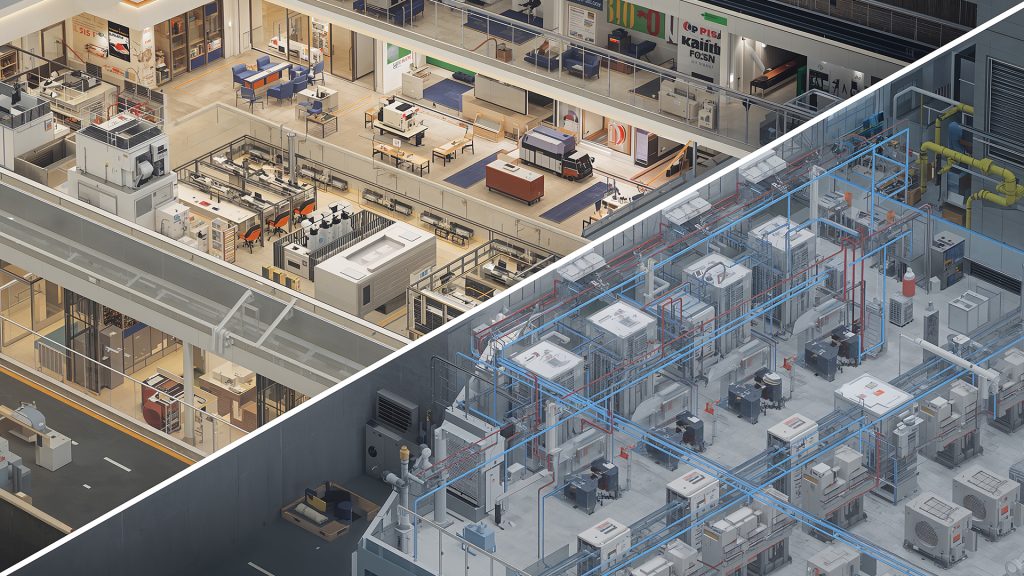
The Difference Between VRF and AHU for Modern Buildings Choosing the right heating, ventilation, and air conditioning (HVAC) system is one of the most critical decisions for any large-scale building project. Whether for a bustling shopping mall, a high-tech industrial facility, or a critical-care hospital, the HVAC system determines occupant comfort, operational efficiency, and long-term energy costs. At Workman Services, with over 18 years of experience in the HVAC & R industry, we guide our clients through this complex decision. Two of the most common solutions for large spaces are Variable Refrigerant Flow (VRF) and Air Handling Unit (AHU) systems. But what is the difference between VRF and AHU? Understanding this distinction is key to selecting the ideal solution for your specific needs. While both systems deliver effective climate control, they operate on fundamentally different principles. An AHU-based system is a more traditional approach, using a central unit to condition air and distribute it through extensive ductwork. In contrast, a VRF system offers a more modern, decentralized approach, using refrigerant lines to connect a single outdoor unit to multiple indoor units. This guide will explore the core concepts of both systems, break down their key differences, and explain which applications they are best suited for. By the end, you’ll have a clear understanding of the difference between VRF and AHU and be better equipped to choose the right system for your commercial, industrial, or residential project in Pakistan. What is an Air Handling Unit (AHU)? An Air Handling Unit, or AHU, is a cornerstone of traditional centralized HVAC systems. Think of it as the “lungs” of a building. The AHU is a large metal box containing a blower, heating and cooling elements (coils), filters, sound attenuators, and dampers. Its primary function is to collect air from outside and inside the building, filter it, condition it to the desired temperature and humidity, and then distribute it throughout the space via a network of ducts. AHUs are often paired with chillers (which supply cold water to the cooling coil) or boilers (which supply hot water or steam to the heating coil). This combination allows a single, powerful system to serve an entire building, from a multi-story office block to a large factory floor. The simplicity and power of AHUs have made them a go-to solution for decades, especially for large, open spaces where a uniform temperature is required. These systems are robust and highly effective at moving large volumes of air, making them a common component in an HVAC system for industries that require consistent environmental conditions. What is a Variable Refrigerant Flow (VRF) System? Variable Refrigerant Flow, or VRF, represents one of the most significant advancements in the latest HVAC technology. Unlike the centralized, air-based approach of an AHU, a VRF system is a refrigerant-based, multi-split system. It consists of a single outdoor condensing unit connected via refrigerant piping to multiple indoor units, which can be of various types (e.g., wall-mounted, ceiling cassette, or concealed ducted units). The “variable” in its name is the key to its efficiency. The system can vary the amount of refrigerant flowing to each individual indoor unit, allowing for precise temperature control in different zones. Some advanced VRF systems can even provide simultaneous heating and cooling, where heat extracted from a cooling zone is redirected to a zone that requires heating. This heat recovery feature makes VRF air conditioning incredibly energy-efficient. Because VRF systems use small refrigerant pipes instead of bulky ductwork, they offer greater architectural flexibility and are easier to retrofit into existing buildings. This modularity and zoning capability make them an increasingly popular choice for applications where individual comfort control is a priority. Key Differences: VRF vs. AHU To truly grasp the difference between VRF and AHU, it helps to compare them across several key factors. Both systems have their place, but their suitability depends entirely on the project’s requirements, budget, and long-term goals. Feature Air Handling Unit (AHU) System Variable Refrigerant Flow (VRF) System System Type Centralized, air-based system. Uses ductwork to distribute conditioned air. Decentralized, refrigerant-based system. Uses pipes to send refrigerant to multiple indoor units. Zoning Limited zoning capabilities. Best for uniform temperature across large, open spaces. Superior individual zone control. Each indoor unit can have a different setpoint. Energy Efficiency Generally less efficient due to thermal losses in ductwork and constant air volume. Highly energy-efficient due to variable speed compressors, zoning, and heat recovery options. Installation Requires significant space for the AHU and extensive ductwork, which can be complex to install. Less invasive installation with smaller refrigerant piping. Ideal for retrofitting older buildings. Flexibility Less flexible. Difficult to modify once the ductwork is in place. Highly flexible and scalable. Easy to add or reconfigure indoor units as needs change. Maintenance Centralized maintenance at the AHU. Ductwork may require periodic cleaning. Requires specialized technicians to service multiple indoor and outdoor units and refrigerant lines. Upfront Cost Can have a lower initial equipment cost, but installation can be expensive. Higher initial equipment cost, but often lower installation and long-term operational costs. Ventilation Excellent for introducing fresh air, as it is integrated into the central unit. Requires a separate dedicated outdoor air system (DOAS) to introduce fresh air. Which System is Right for Your Application? Now that we understand the technical difference between VRF and AHU, let’s apply this knowledge to real-world scenarios that we at Workman Services encounter daily. HVAC for Malls and Retail Spaces Shopping malls present a unique challenge with their mix of large open atriums, smaller individual retail stores, and food courts. An effective HVAC for malls needs to be both powerful and flexible. AHU Approach: A traditional approach might use large AHUs to cool the main corridors and open spaces. While effective for these areas, it offers little control for individual tenants, who often have to install their own supplementary systems. VRF Approach: A VRF air conditioning system is often a superior solution for modern malls. It allows each retail unit to control its own temperature, catering