
Package Type Unit Guide for Commercial Cooling in Pakistan
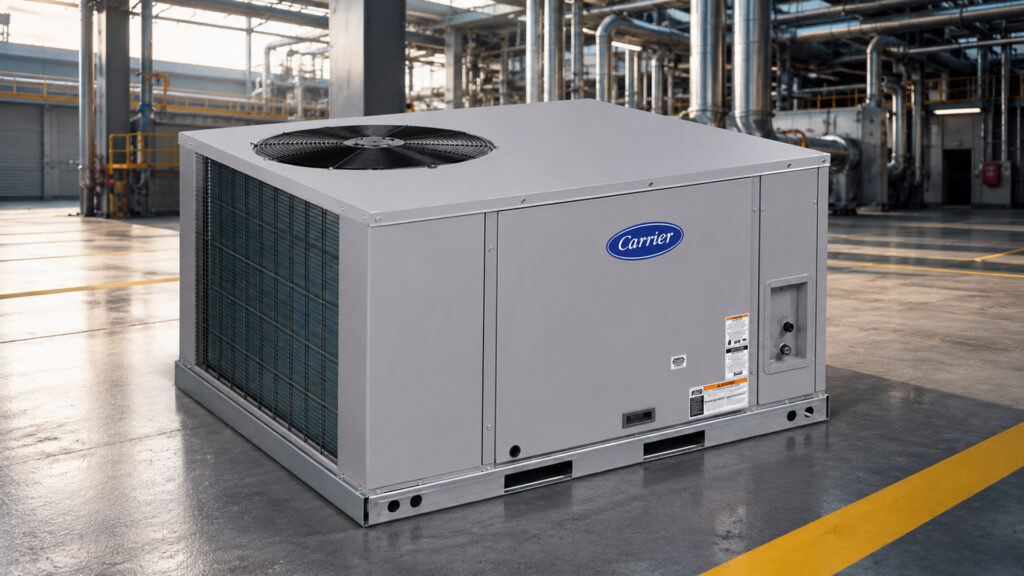
Package Type Unit Guide for Commercial Cooling in Pakistan A strong cooling system can shape the comfort, safety, and efficiency of any commercial site. In Pakistan, businesses often deal with high summer temperatures, long operating hours, dust, and heavy occupancy. That is why many project owners look for HVAC solutions that are practical, compact, and easy to maintain. One option that stands out is the package type unit. This guide explains what these systems are, where they work best, and how to choose the right setup for your building. You will also find a technical comparison table, buying tips, and a detailed FAQ section. For property managers, consultants, factory owners, and commercial buyers, this article is designed to be clear, indexable, and useful for both search engines and AI-driven answer platforms. What Is a Package Type Unit? A package type unit is a self-contained HVAC system that combines major cooling components into one cabinet. In most cases, the compressor, condenser, evaporator, and air handling parts are built into one packaged system rather than spread across separate indoor and outdoor units. This design makes it useful for sites that want: Simpler installation Centralized cooling in one system Space-saving equipment layout Easier service access in commercial projects A package type unit is widely used in offices, banks, restaurants, retail outlets, schools, halls, showrooms, and light industrial buildings. In Pakistan, these systems are especially relevant where buyers need dependable cooling without the complexity of larger chilled water plants. Why These Systems Matter in Pakistan Pakistan’s climate puts real pressure on cooling equipment. Heat, dust, and long daily usage can expose weak design and poor installation very quickly. For many businesses, a packaged HVAC solution offers a smart middle path between small split systems and large central plants. Key reasons buyers choose them They are compact and easier to position They suit medium to large commercial spaces They can support ducted air distribution Maintenance can be more direct than multi-unit setups They are practical for projects with limited plant room space For commercial users, a package type ac can help reduce system complexity while still delivering broad coverage. In many medium-sized projects, a package type ac becomes a preferred option because it balances performance, footprint, and service access. Buyers also compare a package type ac when they want faster execution than more complex central HVAC systems. How a Packaged HVAC System Works A packaged system works by pulling warm indoor air through return ducts, passing it over cooling coils, and then sending cooled air back through supply ducts. Heat is rejected through the condenser section, and the full cycle is handled within one integrated unit. Main internal components Compressor Condenser coil Evaporator coil Blower or supply fan Filters Thermostatic or control panel Refrigerant circuit Drainage arrangement This structure makes the package type air conditioner easier to understand for buyers who want a simple HVAC concept. A package type air conditioner is often installed where reliable cooling and easier equipment planning matter more than highly complex zoning. In many commercial projects, a package type air conditioner offers a straightforward path for temperature control and ducted comfort. Common Applications in the Pakistani Market These systems fit a wide range of sectors in Pakistan. They are not only for one building type. Their flexibility makes them useful across many commercial and light industrial settings. Offices and corporate spaces Office buildings need stable temperature, decent airflow, and consistent performance during long business hours. A packaged system can serve open-plan work areas, meeting rooms, and customer-facing spaces. Restaurants and retail Restaurants, stores, and showrooms often need quick cooling response and steady indoor comfort. A packaged system works well where customer experience matters. Hospitals and clinics Some healthcare areas use packaged units for non-critical zones where practical cooling and filtered airflow are important. Schools and institutions Educational spaces need dependable cooling during high occupancy. Proper unit sizing helps maintain comfort and reduce uneven air delivery. Light industrial facilities Factories and workshops with staff zones, production support areas, or administrative blocks often use packaged HVAC for efficient coverage. Rooftop Installation Benefits A rooftop package unit is a popular choice for buildings with limited indoor service space. Since the unit sits on the roof, it frees indoor areas for business use and keeps mechanical equipment out of sight. Why rooftop placement is useful Saves indoor floor space Allows easier duct routing in some buildings Keeps noise source away from occupied zones Supports commercial layouts with limited plant room access A rooftop package unit is often seen in plazas, restaurants, supermarkets, and event facilities. For many medium-scale sites, a rooftop package unit gives a clean and efficient HVAC layout that supports both cooling and maintenance access. Technical Comparison Table The table below helps buyers compare packaged systems with other common HVAC approaches. Feature Packaged System Split System Chiller-Based System Why It Matters Main Design All-in-one cabinet Indoor and outdoor units separate Central chilled water plant Impacts layout and installation Best Use Case Medium to large commercial spaces Small rooms and homes Large complexes and industries Helps match system to building size Installation Complexity Moderate Low to moderate High Affects timeline and cost Space Requirement Compact, often rooftop or outdoor Distributed across building Needs plant and piping network Important for planning Ducting Support Strong Limited in many small models Strong Affects air distribution Maintenance Access Centralized Split between units Specialized and broader Impacts service management Initial Cost Moderate Lower for small areas Higher Supports budget review Expansion Flexibility Moderate Easy for small add-ons Strong in large projects Important for future growth Suitable for Pakistan Heat Good with correct selection Good for smaller zones Excellent for large heavy loads Must match climate need Typical Buyer Offices, halls, retail, clinics Homes, small shops Malls, hospitals, factories Clarifies market fit Key Buying Factors Before You Invest Choosing the right packaged HVAC system is not only about brand or tonnage. It is about the full site condition. 1. Cooling load Every project should begin with a proper