
Optimizing Your Commercial Space: A Guide to HVAC Ducting in Pakistan
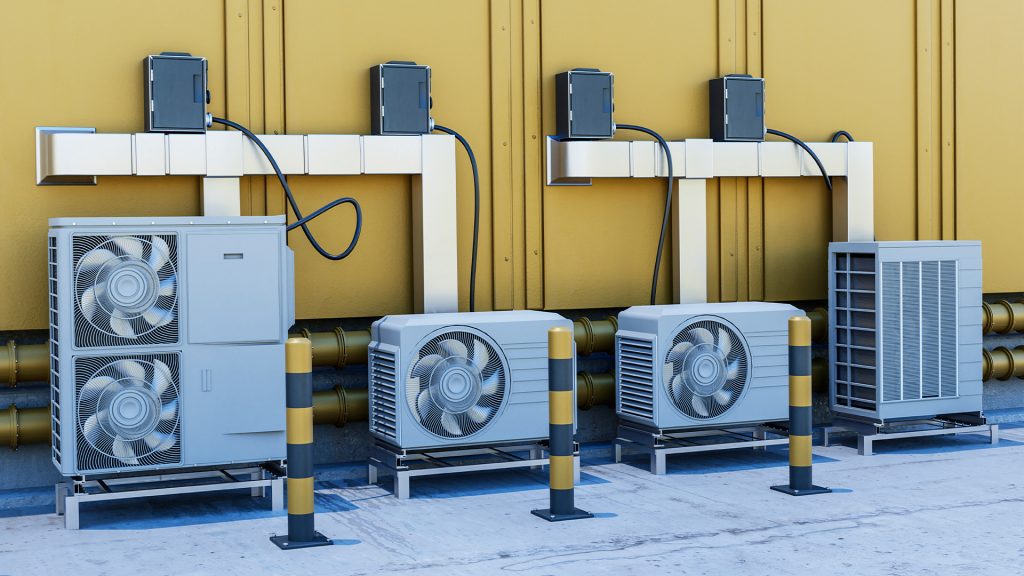
Optimizing Your Commercial Space: A Guide to HVAC Ducting in Pakistan In Pakistan’s diverse climate, maintaining a comfortable and productive indoor environment is crucial for any commercial or industrial operation. From bustling office buildings in Lahore to large-scale factories and sterile hospital environments, the effectiveness of your heating, ventilation, and air conditioning (HVAC) system is paramount. At the heart of this system lies the ductwork, an intricate network responsible for distributing conditioned air. An expertly designed commercial HVAC ducting solution in Pakistan is not just a component; it’s the backbone of your building’s operational efficiency, air quality, and occupant comfort. This comprehensive guide will explore the critical aspects of modern HVAC ducting, from design and installation to the specific needs of various sectors. We will cover why partnering with expert contractors is essential for achieving optimal performance and long-term savings. The Unseen Hero: Why Quality Ductwork Matters Ductwork is often hidden behind walls and ceilings, making it easy to overlook. However, its impact is felt everywhere. Poorly designed or installed ducting can lead to a host of problems, including inconsistent temperatures, poor air quality, high energy bills, and noisy operation. Conversely, a well-engineered system ensures that every corner of your space receives the right amount of clean, conditioned air efficiently. For businesses, this translates directly to the bottom line. A comfortable environment boosts employee productivity, enhances customer experience in retail spaces, and protects sensitive equipment in industrial settings. Investing in a high-quality commercial HVAC ducting solution in Pakistan is an investment in your operational success. Key Benefits of a Professional HVAC Ducting System: Enhanced Energy Efficiency: Properly sealed and insulated ducts prevent air leakage, reducing the load on your HVAC units and lowering energy consumption. Superior Indoor Air Quality (IAQ): A well-designed system minimizes the buildup of dust, allergens, and pollutants, creating a healthier environment for everyone inside. Consistent Comfort: Strategic duct layout eliminates hot and cold spots, ensuring uniform temperature distribution throughout the building. Reduced Operational Noise: Professional installation and the use of quality materials significantly reduce the rattling and whistling associated with substandard ductwork. Long-Term Reliability: Durable materials and expert craftsmanship mean fewer repairs and a longer lifespan for your entire HVAC system. Tailored Solutions for Diverse Commercial Needs Different commercial sectors have unique requirements for their HVAC systems. A one-size-fits-all approach simply doesn’t work. Let’s explore how ducting solutions are customized for various applications. Industrial HVAC: Powering Pakistan’s Factories Industrial facilities, such as manufacturing plants and warehouses, present significant HVAC challenges. Large open spaces, heat-generating machinery, and the presence of airborne contaminants demand robust and specialized systems. A reliable central cooling system for factories in Pakistan is essential for maintaining production schedules and ensuring worker safety. The role of ductwork here is critical. It must be designed to handle large volumes of air, withstand harsh industrial conditions, and effectively remove heat and pollutants. This is where experienced industrial HVAC air ducting contractors Lahore become invaluable. They possess the expertise to design systems using appropriate materials, such as heavy-gauge galvanized steel or specialized fabrics, ensuring durability and compliance with safety standards. Proper ventilation is not just about comfort; it’s about creating a safe operational environment. Office Spaces: Creating Productive Work Environments In an office setting, comfort directly impacts productivity and employee well-being. A silent, efficient, and effective HVAC system is a must. The ideal commercial air conditioning solution for offices in Pakistan focuses on providing consistent temperatures and excellent air quality without creating distracting noise or drafts. Ductwork design for offices often involves complex layouts to serve individual rooms, conference areas, and open-plan spaces. Zoning capabilities, which allow for different temperature settings in various parts of the office, are a key feature. This requires meticulous planning to ensure balanced airflow and optimal energy use. By integrating modern ducting with smart controls, businesses can create a perfectly tailored environment that adapts to their daily needs. Hospitals and Healthcare: Where Air Quality is Non-Negotiable Nowhere is air quality more critical than in a hospital. An effective air ducting solution for hospitals Pakistan is a fundamental component of infection control and patient care. HVAC systems in healthcare facilities must do more than just cool the air; they must filter it to the highest standards, control humidity, and maintain specific pressure differentials between different zones (e.g., operating rooms, isolation wards, and general patient areas). Ductwork in hospitals is designed to: Prevent cross-contamination between areas. Deliver clean, filtered air to sensitive environments. Exhaust contaminated air safely. Maintain precise temperature and humidity levels. This requires specialized materials that are easy to clean and resist microbial growth. The design must be flawless to ensure the system performs reliably 24/7. The Workman Services Approach to Ducting As a leading provider of HVAC services, we understand that a superior commercial HVAC ducting solution in Pakistan begins with a deep understanding of the client’s needs. Our process is built on precision, quality, and a commitment to delivering long-term value. Stage Key Activities Outcome 1. Consultation & Assessment Site evaluation, analysis of building blueprints, discussion of client requirements (e.g., occupancy, equipment, budget). A clear understanding of the project scope and specific challenges. 2. System Design & Engineering Use of advanced software to calculate load, determine duct sizing, and create a detailed layout plan. Material selection based on application. An optimized ductwork design that ensures balanced airflow and maximum efficiency. 3. Professional Installation Fabrication of ductwork to exact specifications. Installation by certified technicians, ensuring all joints are sealed and insulated correctly. A securely installed, leak-free duct system that meets all industry standards. 4. Testing & Commissioning Comprehensive testing of the entire system to verify airflow, pressure, and temperature control. Adjustments are made to fine-tune performance. A fully functional and balanced HVAC system ready for operation. 5. Maintenance & Support Regular maintenance plans to ensure continued efficiency, air quality, and system longevity. Peace of mind and protection of your investment. By choosing expert industrial HVAC air ducting contractors Lahore, you ensure that every step, from initial design to final commissioning,
Carrier HVAC Systems and Humidity Control for Commercial Buildings in Pakistan
Carrier HVAC Systems and Humidity Control for Commercial Buildings in Pakistan Maintaining a comfortable and healthy indoor environment is crucial for the productivity and well-being of occupants in commercial buildings. In Pakistan, where weather conditions can range from extreme heat to high humidity, managing indoor climate is a significant challenge. This is where advanced Carrier HVAC Systems and humidity control solutions become essential. For businesses looking to optimize their environment, understanding the capabilities of modern HVAC technology is the first step toward creating a productive and efficient workspace. Workman Services, a trusted provider of mechanical and HVAC solutions in Pakistan since 2006, understands the unique climate challenges faced by commercial enterprises. We specialize in designing and implementing systems that deliver consistent comfort and superior air quality. This guide explores why Carrier is a leading choice for commercial applications and how its innovative features can transform your building’s environment. We will cover the importance of integrated humidity management, the specific benefits of Carrier’s technology, and what to consider when choosing a system for your facility. Why Humidity Control is Non-Negotiable in Pakistan’s Climate Pakistan’s climate, particularly during the monsoon season, is characterized by high humidity levels. When not properly managed, excess moisture in the air can lead to numerous problems in commercial buildings, including: Reduced Comfort and Productivity: High humidity makes the air feel warmer than it is, leading to discomfort for employees and customers. This can directly impact focus, satisfaction, and overall productivity. Health and Safety Risks: Damp environments are breeding grounds for mold, mildew, and bacteria. These contaminants can trigger allergies, respiratory issues, and other health problems, creating an unsafe workplace. Structural and Asset Damage: Moisture can cause damage to building materials, leading to rot, rust, and peeling paint. It can also harm sensitive electronic equipment, inventory, and important documents, resulting in costly repairs and replacements. Increased Energy Consumption: When humidity is high, air conditioners must work harder to cool the air, leading to a significant increase in energy bills. An integrated humidity control system helps your AC unit operate more efficiently. Effective humidity control is not just a luxury; it is a fundamental requirement for maintaining a healthy, safe, and cost-effective commercial building in Pakistan. Carrier HVAC: A Leader in Commercial Climate Solutions For decades, Carrier has been a pioneer in the air conditioning industry. Their reputation for quality, innovation, and reliability makes them a top choice for commercial HVAC applications worldwide. Carrier provides a diverse range of products designed to meet the specific needs of different commercial spaces, from small offices to large industrial complexes. At Workman Services, we recommend Carrier HVAC solutions because they offer a powerful combination of performance and efficiency. These systems are engineered to provide precise temperature regulation while integrating advanced features that address indoor air quality and humidity. By choosing Carrier, you are investing in a system that delivers long-term value and peace of mind. The integration of advanced Carrier HVAC Systems and humidity control technologies ensures that your building remains comfortable regardless of the external weather conditions. These systems use smart sensors and variable-speed components to actively monitor and adjust indoor humidity levels, removing excess moisture from the air without overcooling the space. This creates a balanced environment that is both pleasant and energy-efficient. Key Features of Carrier Commercial HVAC Systems Carrier systems are equipped with features that set them apart from the competition. These innovations are designed to provide superior performance, enhance energy efficiency, and improve indoor air quality. Feature Description Benefit for Commercial Buildings Greenspeed® Intelligence This technology pairs adaptable-speed technology with intelligent controls to deliver precise heating and cooling. Reduces energy consumption by up to 40%, lowers operational costs, and maintains consistent comfort levels without temperature swings. Puron® Refrigerant An environmentally sound refrigerant that does not deplete the ozone layer. Ensures compliance with modern environmental standards while delivering reliable and efficient cooling performance. Advanced Dehumidification Integrated systems that actively remove moisture from the air, often as a separate function from cooling. Improves indoor air quality, prevents mold growth, protects building assets, and enhances occupant comfort during humid seasons. Variable-Speed Compressors Compressors that operate at different speeds depending on the cooling demand, rather than just on or off. Provides superior energy efficiency, quieter operation, and more precise temperature and humidity control compared to single-stage systems. Smart Controls & Automation Wi-Fi-enabled thermostats and building automation systems that allow for remote monitoring and scheduling. Offers greater control over your building’s climate, enabling you to optimize schedules for energy savings and ensure comfort. These features make Carrier a formidable choice for any business serious about creating an optimal indoor environment. The investment in robust HVAC systems pays for itself through energy savings, improved productivity, and reduced maintenance costs over time. Choosing the Right Carrier System for Your Commercial Building in Pakistan Selecting the appropriate commercial HVAC system requires careful consideration of several factors. Every building has unique requirements based on its size, layout, occupancy, and specific use. Workman Services provides expert consultation to help you navigate these choices and find the perfect solution. Here are key factors to consider: 1. Building Size and Layout The total square footage, ceiling height, and layout of your building will determine the required capacity (tonnage) of the HVAC system. A system that is too small will struggle to cool the space, while an oversized system will cycle on and off too frequently, leading to poor humidity control and wasted energy. 2. Occupancy and Usage Patterns A bustling office building with hundreds of employees has different cooling needs than a warehouse with minimal staff. The number of occupants, heat-generating equipment (like computers and machinery), and daily operating hours all influence the load on the HVAC systems. 3. Energy Efficiency Goals Modern Carrier systems come with high SEER (Seasonal Energy Efficiency Ratio) ratings. While a higher SEER rating often means a higher initial investment, it translates into significant long-term savings on your electricity bills. For businesses in Pakistan looking to manage operational costs, investing in an energy-efficient
Pakistan’s Leading HVAC Contractor for Malls and Offices

Pakistan’s Leading HVAC Contractor for Malls and Offices Creating a comfortable and productive environment in large commercial spaces like malls and offices is a significant challenge. Temperature, air quality, and ventilation are not just matters of comfort; they directly impact employee productivity, customer satisfaction, and operational costs. In Pakistan’s diverse climate, a robust and efficient Heating, Ventilation, and Air Conditioning (HVAC) system is essential. This is where partnering with the leading HVAC contractor in Pakistan becomes a critical business decision. A specialized contractor understands the unique demands of large-scale projects, from initial design to long-term maintenance, ensuring your investment is both effective and sustainable. Workman Services has established itself as a premier provider of advanced mechanical services, specializing in comprehensive HVAC and fire safety systems since 2012. With over 18 years of industry experience, our team offers end-to-end solutions tailored to commercial and industrial sectors. We manage everything from system design and equipment supply to installation, testing, and commissioning, ensuring every project meets the highest standards of quality and safety. This article explores the complexities of commercial HVAC systems, highlights the specific needs of malls and offices, and explains why choosing an experienced partner like Workman Services is crucial for success. The Unique HVAC Demands of Malls and Offices Unlike residential properties, commercial buildings present a unique set of challenges that require specialized expertise. Malls and office complexes are dynamic environments with variable occupancy, large open areas, and stringent air quality requirements. HVAC Solutions for Malls: Comfort and Efficiency at Scale Shopping malls are sprawling structures that host thousands of visitors daily. The primary goal of HVAC solutions for malls is to maintain a consistent and comfortable temperature throughout vast retail floors, food courts, and common areas. Occupancy levels can fluctuate dramatically, meaning the system must be responsive and energy-efficient. A key challenge is managing “stack effect,” where air moves vertically due to temperature differences, creating drafts and uneven cooling. Effective HVAC design involves strategic placement of air handlers, VAV (Variable Air Volume) systems, and integrated building management systems (BMS) to regulate airflow and temperature dynamically. Furthermore, proper ventilation is critical to dilute indoor pollutants and odors, ensuring a pleasant shopping experience that encourages visitors to stay longer. Partnering with a specialist ensures that these complex systems are designed for peak performance and efficiency. HVAC Services for Offices: Enhancing Productivity In an office environment, air quality and thermal comfort are directly linked to employee well-being and productivity. Poor ventilation can lead to “Sick Building Syndrome,” causing headaches, fatigue, and reduced concentration. Therefore, modern HVAC services for offices focus on creating a healthy indoor environment. This involves more than just cooling. It includes managing humidity, ensuring adequate fresh air intake through Total Fresh Air (TFA) units, and using advanced filtration to remove dust, allergens, and airborne pathogens. Zoning is another critical aspect, allowing different departments or rooms to have customized climate control. By providing precise and reliable climate management, businesses can foster a healthier, more focused, and productive workforce. The leading HVAC contractor in Pakistan will deliver these customized solutions to meet the specific layout and needs of your office space. Choosing the Best HVAC Contractors Pakistan Has to Offer Selecting the right HVAC partner is a decision that impacts your business for years. The best contractors distinguish themselves through experience, technical expertise, and a commitment to customer satisfaction. When searching for the best HVAC contractors Pakistan has available, consider the following criteria: Proven Track Record: Look for a company with a strong portfolio of completed projects in the commercial sector. Workman Services, for instance, has successfully delivered solutions for clients like DINER’S, Bank Al Falah, and Sapphire, showcasing our capability in handling large-scale installations. Comprehensive Services: A top-tier contractor offers more than just installation. They provide a full suite of services, including design, planning, project execution, and ongoing support. This end-to-end approach ensures seamless project delivery and accountability. Technical Expertise: The HVAC industry is constantly evolving. Your chosen partner should be proficient in the latest technologies, such as Variable Refrigerant Flow (VRF) systems, chillers, and Air Handling Units (AHU). This expertise ensures you receive the most energy-efficient and effective solution. Commitment to Quality and Safety: The best HVAC contractors Pakistan can provide will prioritize quality and adhere to strict safety standards. This includes using top-rated brands and employing certified technicians to guarantee reliable and durable installations. Workman Services: The Leading HVAC Contractor in Pakistan For over a decade, Workman Services has been at the forefront of the HVAC industry in Pakistan. Our reputation as the leading HVAC contractor in Pakistan is built on a foundation of technical excellence, unwavering quality, and a client-first philosophy. We specialize in providing tailored solutions for residential, commercial, and industrial clients, ensuring optimal comfort and efficiency. Our approach is holistic. We begin with a detailed consultation to understand your specific needs, whether for a new construction project or an upgrade to an existing system. Our experienced designers then create a custom plan that balances performance, energy efficiency, and budget. Our certified technicians handle the installation with precision, ensuring every component functions flawlessly. We offer a wide range of cutting-edge HVAC solutions for malls, corporate offices, and industrial facilities. Our expertise covers everything from ducting and cassette ACs to complex VRF systems and industrial chillers. This versatility allows us to tackle projects of any scale and complexity, delivering results that exceed expectations. Why Partner with Workman Services? Benefit How Workman Services Delivers Proven Expertise With over 18 years in the HVAC & R industry, we have a deep understanding of commercial and industrial needs. Quality Brands We partner with top-rated brands like Midea, Gree, Acson, and Hitachi to ensure durability and performance. End-to-End Solutions From initial design and planning to installation and ongoing support, we manage the entire project lifecycle. Certified Technicians Our team of skilled and certified professionals guarantees reliable, expert service tailored to your requirements. Client Satisfaction We are committed to 100% client satisfaction, providing transparent communication and unmatched customer support. Cost-Effective We
The Difference Between VRF and AHU for Modern Buildings
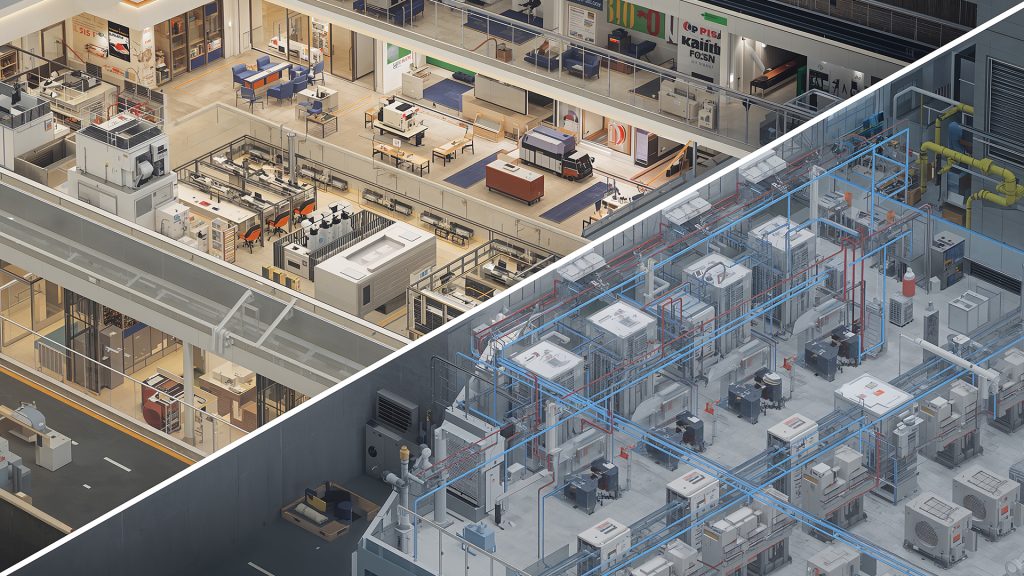
The Difference Between VRF and AHU for Modern Buildings Choosing the right heating, ventilation, and air conditioning (HVAC) system is one of the most critical decisions for any large-scale building project. Whether for a bustling shopping mall, a high-tech industrial facility, or a critical-care hospital, the HVAC system determines occupant comfort, operational efficiency, and long-term energy costs. At Workman Services, with over 18 years of experience in the HVAC & R industry, we guide our clients through this complex decision. Two of the most common solutions for large spaces are Variable Refrigerant Flow (VRF) and Air Handling Unit (AHU) systems. But what is the difference between VRF and AHU? Understanding this distinction is key to selecting the ideal solution for your specific needs. While both systems deliver effective climate control, they operate on fundamentally different principles. An AHU-based system is a more traditional approach, using a central unit to condition air and distribute it through extensive ductwork. In contrast, a VRF system offers a more modern, decentralized approach, using refrigerant lines to connect a single outdoor unit to multiple indoor units. This guide will explore the core concepts of both systems, break down their key differences, and explain which applications they are best suited for. By the end, you’ll have a clear understanding of the difference between VRF and AHU and be better equipped to choose the right system for your commercial, industrial, or residential project in Pakistan. What is an Air Handling Unit (AHU)? An Air Handling Unit, or AHU, is a cornerstone of traditional centralized HVAC systems. Think of it as the “lungs” of a building. The AHU is a large metal box containing a blower, heating and cooling elements (coils), filters, sound attenuators, and dampers. Its primary function is to collect air from outside and inside the building, filter it, condition it to the desired temperature and humidity, and then distribute it throughout the space via a network of ducts. AHUs are often paired with chillers (which supply cold water to the cooling coil) or boilers (which supply hot water or steam to the heating coil). This combination allows a single, powerful system to serve an entire building, from a multi-story office block to a large factory floor. The simplicity and power of AHUs have made them a go-to solution for decades, especially for large, open spaces where a uniform temperature is required. These systems are robust and highly effective at moving large volumes of air, making them a common component in an HVAC system for industries that require consistent environmental conditions. What is a Variable Refrigerant Flow (VRF) System? Variable Refrigerant Flow, or VRF, represents one of the most significant advancements in the latest HVAC technology. Unlike the centralized, air-based approach of an AHU, a VRF system is a refrigerant-based, multi-split system. It consists of a single outdoor condensing unit connected via refrigerant piping to multiple indoor units, which can be of various types (e.g., wall-mounted, ceiling cassette, or concealed ducted units). The “variable” in its name is the key to its efficiency. The system can vary the amount of refrigerant flowing to each individual indoor unit, allowing for precise temperature control in different zones. Some advanced VRF systems can even provide simultaneous heating and cooling, where heat extracted from a cooling zone is redirected to a zone that requires heating. This heat recovery feature makes VRF air conditioning incredibly energy-efficient. Because VRF systems use small refrigerant pipes instead of bulky ductwork, they offer greater architectural flexibility and are easier to retrofit into existing buildings. This modularity and zoning capability make them an increasingly popular choice for applications where individual comfort control is a priority. Key Differences: VRF vs. AHU To truly grasp the difference between VRF and AHU, it helps to compare them across several key factors. Both systems have their place, but their suitability depends entirely on the project’s requirements, budget, and long-term goals. Feature Air Handling Unit (AHU) System Variable Refrigerant Flow (VRF) System System Type Centralized, air-based system. Uses ductwork to distribute conditioned air. Decentralized, refrigerant-based system. Uses pipes to send refrigerant to multiple indoor units. Zoning Limited zoning capabilities. Best for uniform temperature across large, open spaces. Superior individual zone control. Each indoor unit can have a different setpoint. Energy Efficiency Generally less efficient due to thermal losses in ductwork and constant air volume. Highly energy-efficient due to variable speed compressors, zoning, and heat recovery options. Installation Requires significant space for the AHU and extensive ductwork, which can be complex to install. Less invasive installation with smaller refrigerant piping. Ideal for retrofitting older buildings. Flexibility Less flexible. Difficult to modify once the ductwork is in place. Highly flexible and scalable. Easy to add or reconfigure indoor units as needs change. Maintenance Centralized maintenance at the AHU. Ductwork may require periodic cleaning. Requires specialized technicians to service multiple indoor and outdoor units and refrigerant lines. Upfront Cost Can have a lower initial equipment cost, but installation can be expensive. Higher initial equipment cost, but often lower installation and long-term operational costs. Ventilation Excellent for introducing fresh air, as it is integrated into the central unit. Requires a separate dedicated outdoor air system (DOAS) to introduce fresh air. Which System is Right for Your Application? Now that we understand the technical difference between VRF and AHU, let’s apply this knowledge to real-world scenarios that we at Workman Services encounter daily. HVAC for Malls and Retail Spaces Shopping malls present a unique challenge with their mix of large open atriums, smaller individual retail stores, and food courts. An effective HVAC for malls needs to be both powerful and flexible. AHU Approach: A traditional approach might use large AHUs to cool the main corridors and open spaces. While effective for these areas, it offers little control for individual tenants, who often have to install their own supplementary systems. VRF Approach: A VRF air conditioning system is often a superior solution for modern malls. It allows each retail unit to control its own temperature, catering