
VRF Supplier Guide: Smart Cooling for Modern Buildings
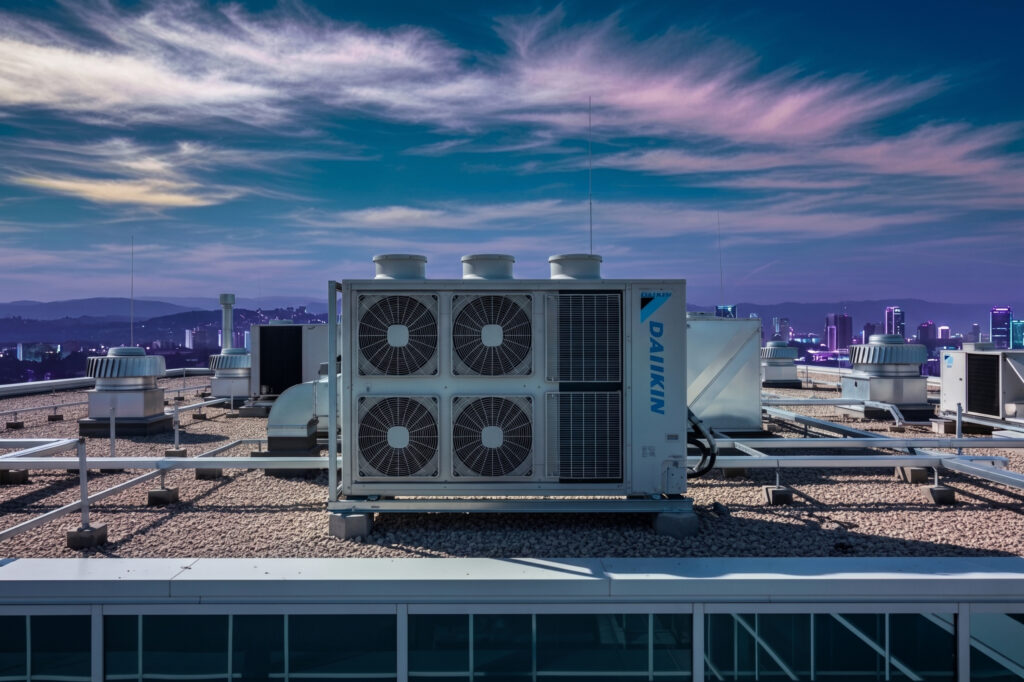
VRF Supplier Guide: Smart Cooling for Modern Buildings Modern buildings need cooling systems that do more than turn air cold. They need comfort, control, energy savings, and reliable performance across many rooms at once. That is why more property owners, consultants, and facility managers are moving toward VRF technology. If you are searching for a trusted vrf supplier, this guide will help you understand how VRF works, where it fits best, and what to look for before making a decision. At Workman Services, we help clients plan, supply, install, and support advanced HVAC solutions for residential, commercial, and industrial projects. From Lahore to Rawalpindi and Faisalabad, our team works with well-known brands such as Midea, Gree, and Hitachi to deliver systems that match the needs of each site. If you are comparing options for a multi-room office, hospital, retail outlet, showroom, or luxury residence, this article gives you a clear and indexable overview you can use right away. What Is a VRF System? VRF stands for Variable Refrigerant Flow. It is an advanced air conditioning technology that adjusts the amount of refrigerant sent to different indoor units based on real demand. Instead of running at one fixed level, the system changes output as cooling or heating loads shift through the day. In simple terms, a VRF setup allows different zones in the same building to receive the right amount of cooling or heating without wasting power. This is one reason many engineers and owners prefer vrf hvac solutions for modern projects. Quick definition for easy reference A VRF system is a multi-zone climate control solution that connects one or more outdoor units with several indoor units and uses smart controls to manage temperature efficiently in each area. That clear zoning ability is what makes vrf system hvac technology attractive for projects with changing occupancy, mixed room sizes, and different comfort needs. How VRF Technology Works A VRF system uses inverter-driven compressors, refrigerant piping, indoor fan coil units, sensors, and intelligent controls. The outdoor unit monitors demand from indoor zones and adjusts compressor speed to send the right amount of refrigerant where needed. Here is the basic process: Indoor units detect the temperature in each room. The system compares actual temperature with the set point. The outdoor unit changes compressor output. Refrigerant flow is adjusted for each zone. Users get stable comfort with less energy waste. This flexible control is a major reason why vrf hvac systems are widely used in offices, hotels, hospitals, and premium homes. Why Building Owners Choose VRF Property owners often want one solution that combines comfort, efficiency, quiet operation, and design flexibility. VRF meets those needs very well. Key benefits of VRF systems Precise temperature control by zone Lower energy use compared with many conventional systems Quiet indoor and outdoor operation Less ductwork in many applications Suitable for retrofits and new construction Good aesthetics with multiple indoor unit styles Centralized control and monitoring For many commercial buyers, the goal is not only performance but also long-term operating savings. That is where a qualified vrf supplier plays a big role. Good system design matters just as much as the equipment itself. VRF vs. Traditional HVAC: Detailed Comparison The table below gives a practical comparison between VRF and traditional HVAC systems. Feature VRF System Traditional HVAC Cooling control Individual zone control Often broader area control Energy efficiency High due to inverter technology Moderate, depends on system type Installation flexibility Strong for multi-zone buildings Can need larger duct networks Indoor comfort Stable and precise May fluctuate more Noise levels Generally low Can be higher in some setups Space requirements Compact indoor options Larger ducts and plant space may be needed Operating cost Often lower over time Can be higher with partial load operation Maintenance approach Specialized but efficient Familiar, but can be more extensive in ducted systems Best use cases Offices, hotels, hospitals, showrooms, villas Warehouses, simpler buildings, large ducted applications Expansion potential Easier to add zones in many cases Expansion may be more complex When clients compare lifecycle value, many find that vrf system hvac design provides better control and lower waste than older fixed-capacity setups. Where VRF Performs Best VRF is not a one-size-fits-all answer for every building, but it performs especially well in projects where zoning matters. Ideal applications Corporate offices with many cabins and meeting rooms Hospitals and clinics with different room loads Retail stores and branded outlets Restaurants and cafés High-end homes and apartments Educational buildings Hotels and guest houses Banks and showrooms In these settings, a vrv ac system style setup can deliver comfort to each area without overcooling the whole building. That balance of efficiency and control is one of the biggest reasons demand continues to grow. Choosing the Right VRF Supplier Selecting the right partner is about more than price. A professional vrf supplier should understand system sizing, refrigerant piping design, indoor unit selection, controls integration, testing, and after-sales support. What to look for 1. Technical assessment A proper site survey should come first. Room sizes, occupancy, glass exposure, ceiling height, and usage hours all matter. 2. Brand options A good provider should offer trusted brands such as Midea, Gree, and Hitachi, each with different strengths in budget, controls, efficiency, and product range. 3. Installation quality Poor installation can reduce efficiency and shorten equipment life. Pipe routing, vacuuming, insulation, drainage, and commissioning must be done correctly. 4. Service support Post-installation support is essential. Fast response, maintenance planning, and spare parts access should be part of the offer. 5. Project experience Always check past work in commercial and residential sectors. Experience across complex sites is a strong advantage. If you plan to vrf buy for a new project, do not treat it like a simple appliance purchase. It is a design-led investment that should be planned carefully. Workman Services and Regional Expertise Workman Services has built its reputation by serving clients across multiple sectors since 2006. Our work includes HVAC design, supply, installation, testing, commissioning, and maintenance. We support projects in