
Find the Best HVAC Solutions for Your Comfort!
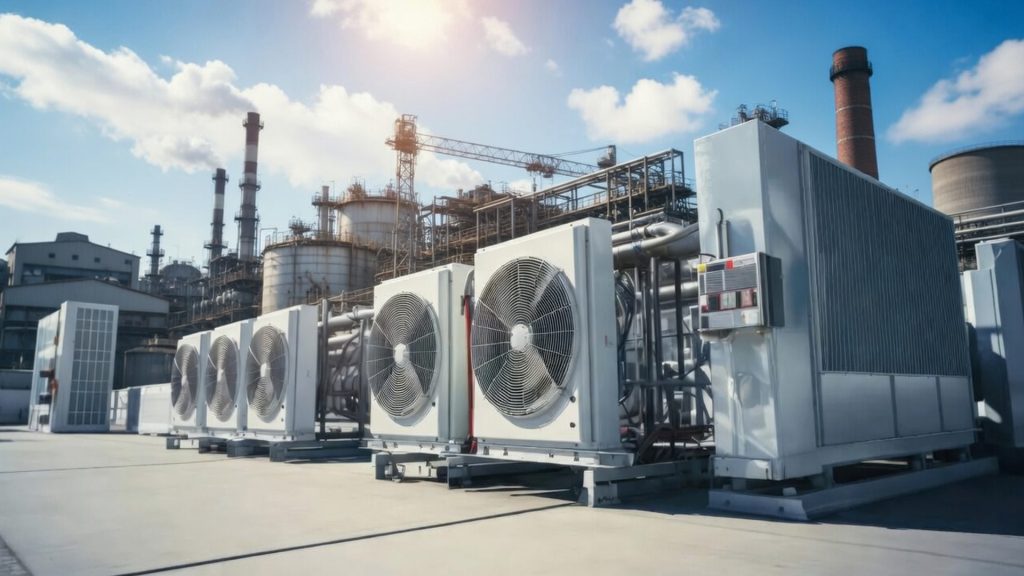
Find the Best HVAC Solutions for Your Comfort! Imagine walking into your home or office on a scorching hot day, and you are instantly greeted by a wave of crisp, refreshing, cool air! There is truly nothing better. Your indoor comfort is incredibly important, and I’m sure you agree with me! When I first learned about how much a high-quality air conditioning system can change your daily life, I thought, wow! Why don’t more people invest in this? Getting the perfect indoor climate isn’t just a dream; it is completely possible when you choose the best hvac setup for your specific needs. Whether you are running a massive commercial space or just want to keep your family cozy, you deserve an environment that feels amazing. I am so excited to share all the wonderful tips, tricks, and details about creating that perfect climate! By the time you finish reading this, you will know exactly what to look for, how to spot top hvac equipment, and why finding reliable professionals makes all the difference in the world. Let’s dive right into making your space the most comfortable place on earth! Why Choosing the Best Matters So Much You might be wondering why you shouldn’t just pick the first air conditioner you see on the shelf. Well, the answer is simple! Your cooling and heating system does so much more than just blow air around. It controls humidity, filters out pesky dust and allergens, and keeps your energy bills from skyrocketing. If you want to save money and stay comfortable, you absolutely need the best hvac system available for your building size. I remember a time when I tried to cut corners with a cheap window unit. It rattled all night, barely cooled the room, and my electricity bill was a total nightmare! That experience taught me that investing in quality is always the smartest choice. When you start searching for heating and cooling near me, you will quickly see that there are many options. But you want a system that works efficiently and quietly. High-quality systems bring peace of mind. You won’t have to worry about sudden breakdowns in the middle of a heatwave! What Makes a System Truly Outstanding? So, what exactly makes a system great? A top hvac unit will feature advanced technology like Variable Refrigerant Flow (VRF). VRF is absolutely brilliant! It allows different rooms to be at different temperatures at the exact same time. Imagine your living room being perfectly cool while the baby’s room stays a bit warmer and cozier. It is like magic, but it is just fantastic engineering! Another sign of a top hvac setup is incredible energy efficiency. You want a system that uses minimal electricity to produce maximum comfort. Brands like Midea, Gree, and Acson are fantastic examples of quality manufacturers that deliver exactly what you need. When you combine great brands with stellar installation, you get an unbeatable combination. Navigating the World of Professionals Even the most amazing equipment in the world won’t work right if it isn’t installed properly. This is exactly why you need amazing heating and cooling contractors to handle the job! I always tell my friends that the installer is just as important as the machine itself. Great heating and cooling contractors will take the time to measure your space, calculate the exact cooling load you need, and explain all your options clearly. They won’t just try to sell you the biggest, most expensive unit. Instead, they will listen to your needs and find the perfect fit. When looking for a team, make sure they have a proven track record. Workman Services, for example, has been delivering joy and comfort since 2006! With over 18 years of experience, our certified technicians know exactly how to make your home or office feel like a paradise. The Services That Bring You Total Joy We offer an incredible range of solutions designed to meet your every need. From cozy apartments to massive industrial plants, we have the skills to make it happen. Providing the best hvac services is our ultimate passion, and we love seeing the smiles on our customers’ faces when we turn on their new system for the first time! Our team handles everything from the initial planning and coordination to the final project execution and ongoing customer support. We are with you every step of the way! To make it super easy for you to see what we do, I have put together a fun and helpful table below. Quick Guide to Our Amazing Offerings Service / Product What It Does for You Why It Is Awesome! VRF Systems Controls temperatures in multiple zones simultaneously. Highly energy-efficient and perfect for large or complex buildings! Chiller Systems Cools water to provide air conditioning for huge spaces. Ideal for massive commercial and industrial setups. Super powerful! Cassette AC 4-Way Fits neatly into your ceiling and distributes air evenly. Looks elegant and saves wall space while keeping you perfectly chilled! Air Handling Units (AHU) Circulates and filters air throughout your ductwork. Ensures the air you breathe is clean, fresh, and properly conditioned. Fan Coil Units (FCU) Provides localized cooling or heating in specific areas. Gives you exact control over individual rooms for maximum comfort! Fire Suppression Detects and extinguishes fires quickly. Keeps your family, employees, and property safe from harm! Providing the best hvac services means we don’t just stop at cooling. We also ensure your air quality is pristine with our Total Fresh Air (TFA) units. Clean air is so important for your health and happiness! Fire Safety: Protecting What You Love While we absolutely adore keeping you cool, keeping you safe is our highest priority! Fire fighting supply and installation is a massive part of what we do. You should never have to worry about the safety of your home or business. We provide thorough fire safety consultations, install reliable suppression systems, and set up advanced fire alarms. If a fire ever does start, our systems will
Complete Guide to Choosing the Best Cooling Solutions
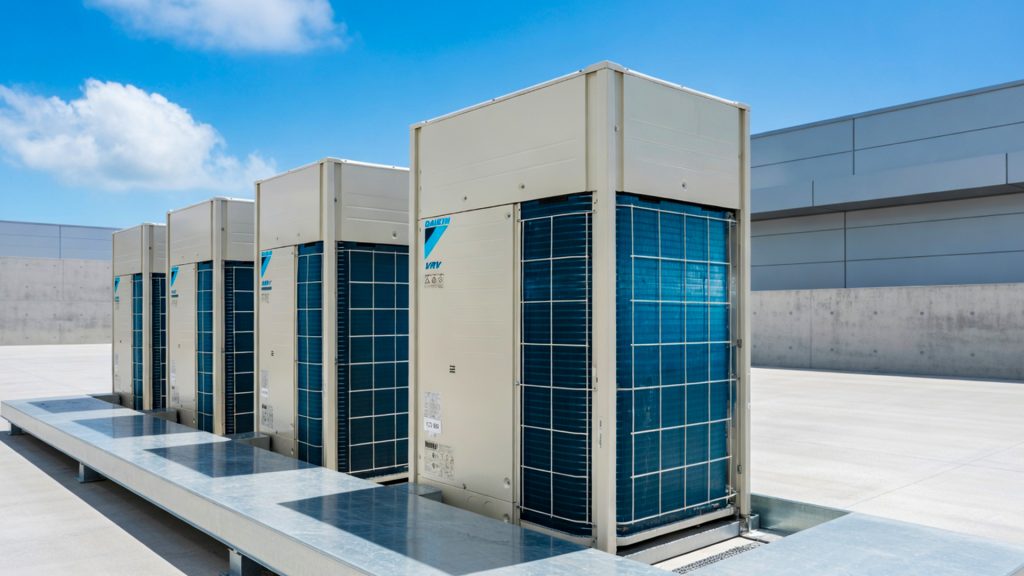
Complete Guide to Choosing the Best Cooling Solutions Are you struggling to keep your home or office comfortable during peak summer months? Finding the right temperature control system can feel overwhelming with so many options available. You need a solution that offers energy efficiency, lasting durability, and quiet operation. This guide breaks down everything you need to know about modern cooling systems. We will explore the benefits of different unit types, explain why proper installation matters, and help you find the best maintenance solutions. You will also discover why Workman Services stands out as the premier choice for all your temperature control needs. Why Quality Climate Control Matters for Your Space Maintaining a comfortable indoor climate goes far beyond simple comfort. A high-quality HVAC system directly impacts your health, productivity, and monthly energy bills. Poorly ventilated spaces can trap dust, allergens, and moisture. This creates an unhealthy environment for your family or employees. Upgrading your system ensures steady airflow and optimal humidity levels. Modern equipment uses advanced technology to consume less power while delivering superior results. This means you save money on electricity while enjoying a consistently cool environment. When you invest in premium equipment, you add long-term value to your property. Workman Services understands the unique climate challenges in Pakistan. Since 2006, our team has designed customized setups that handle extreme heat with ease. We partner with top brands like Gree, Midea, and Acson to bring you reliable products. Whether you manage a small apartment or a large commercial facility, we have the right setup for you. Exploring Different Types of Cooling Systems Choosing the correct equipment depends entirely on your specific space and cooling needs. Let us look at two popular options that offer fantastic results for different environments. The Efficiency of a Center AC Large buildings and commercial spaces require powerful, centralized solutions. A center AC provides uniform cooling across multiple rooms simultaneously. Instead of placing individual units in every room, you rely on one robust system. This approach creates a seamless indoor environment with no hot spots. Installing a center AC requires careful planning and precise load calculations. Our engineers evaluate your building layout to determine the exact capacity needed. We design the layout to ensure maximum airflow with minimal energy waste. A well-designed center AC operates quietly, keeping the noise away from your living or working areas. Regular maintenance keeps your center AC running at peak performance. When you notice a drop in cooling efficiency, it is vital to act quickly. Searching for “AC repair near me” is the first step when your centralized system needs attention. Prompt service prevents minor issues from turning into costly replacements. When to Choose a Ducting AC If you want a discreet and elegant cooling solution, a ducting AC is a perfect choice. These systems hide the equipment behind ceilings or walls. You only see sleek air grilles that blend smoothly with your interior design. This makes a ducting AC highly popular for luxury homes, hotels, and modern offices. A ducting AC uses a network of hidden channels to distribute air evenly. You can create different temperature zones within the same building. This zoning capability gives you total control over your environment while saving energy. We specialize in designing custom layouts that maximize the performance of your ducting AC system. Proper maintenance of these hidden channels is crucial for indoor air quality. Dust and debris can accumulate inside over time. When your airflow feels weak, typing “AC repair near me” into your search engine helps you find quick assistance. Cleaning and servicing your ducting AC ensures you always breathe fresh, healthy air. The Importance of Professional Installation and Maintenance Even the most expensive equipment will fail if installed incorrectly. Professional handling ensures your investment operates smoothly from day one. Getting Your AC Fitting Right The installation process determines the lifespan and efficiency of your unit. A precise AC fitting prevents refrigerant leaks, electrical issues, and poor airflow. Our certified technicians follow strict industry standards for every AC fitting we perform. We use high-quality materials to secure the indoor and outdoor units safely. An improper AC fitting can lead to loud vibrations and water leakage. This damages your walls and creates unnecessary stress. We take the time to measure, align, and test every component during the AC fitting process. This attention to detail guarantees a flawless setup that looks great and functions perfectly. Finding Reliable Maintenance Services Routine servicing extends the life of your equipment and prevents unexpected breakdowns. Delaying maintenance usually leads to higher repair costs down the road. If your unit starts making strange noises, you might immediately search for an AC repair near me. Finding a trusted local expert ensures your problem gets resolved quickly. At Workman Services, we respond rapidly to every service call. You do not need to endlessly search for an AC repair near me when you have our contact information. Our technicians arrive on time, diagnose the issue accurately, and provide transparent pricing. We handle everything from minor tune-ups to major component replacements. Workman Services: Your Go-To Experts in Pakistan Workman Services delivers comprehensive mechanical and cooling solutions across Lahore, Rawalpindi, Faisalabad, and the UAE. We pride ourselves on a customer-first philosophy and a commitment to unmatched quality. We are your trusted partner for the entire lifecycle of your climate control system. When you need reliable HVAC expertise, we have you covered. Our team provides detailed consultations, secure installations, and preventive maintenance plans. We guarantee 100% client satisfaction by focusing on affordability and long-lasting results. Core Services Overview To help you understand our offerings better, we have summarized our main services below. This table highlights how we can support your specific project requirements. Service Category Description Best Suited For System Design Custom layouts and load calculations for optimal efficiency. New constructions, commercial spaces Professional Installation Secure and standardized setup of all unit types. Residential homes, luxury villas, offices Cassette & Split Units Efficient, space-saving cooling for individual rooms. Bedrooms, small retail
Top HVAC & MEP Contractors in Pakistan: Your Guide to Reliable Solutions for Commercial, Industrial, and Residential Projects

Top HVAC & MEP Contractors in Pakistan: Your Guide to Reliable Solutions for Commercial, Industrial, and Residential Projects Finding a reliable partner for Heating, Ventilation, and Air Conditioning (HVAC) and Mechanical, Electrical, and Plumbing (MEP) systems is crucial for the success of any construction project in Pakistan. Whether you are developing a large-scale commercial building, a sophisticated industrial facility, or a comfortable residential home, the quality of your MEP installation determines the building’s functionality, efficiency, and long-term operating costs. This guide will help you navigate the landscape of Top HVAC Contractors and MEP providers, ensuring you find reliable solutions for your specific needs. The right contractor does more than just install equipment. They provide end-to-end support, from initial design and planning to execution, maintenance, and customer service. In a market with numerous options, identifying the best team requires a clear understanding of what sets premier firms apart. This includes their experience across different sectors, their commitment to using high-quality brands, and their ability to deliver projects on time and within budget. Understanding the Role of HVAC & MEP Contractors Before diving into how to choose the right partner, it’s important to understand what HVAC and MEP contractors do. These specialized professionals are responsible for the systems that make a building habitable and functional. HVAC (Heating, Ventilation, and Air Conditioning): This system controls the climate within a building. It includes everything from large-scale chillers and air handling units (AHUs) for commercial properties to split AC units for homes. A well-designed HVAC system ensures comfort, maintains air quality, and optimizes energy consumption. MEP (Mechanical, Electrical, and Plumbing): This is a broader category that includes HVAC as its mechanical component. Electrical systems cover power distribution, lighting, and fire alarms, while plumbing involves water supply, drainage, and sanitation. Comprehensive MEP Solutions ensure all these critical systems are integrated seamlessly. For any new construction or renovation, engaging expert MEP Contractors from the outset is essential. Their early involvement helps prevent costly design clashes, ensures compliance with local regulations, and guarantees that the building’s infrastructure can support its intended use. Why Quality Matters: The Impact of a Reliable Contractor Choosing an inexperienced or unreliable contractor can lead to significant problems, including system failures, high energy bills, poor air quality, and safety hazards. In contrast, working with one of the Top HVAC Contractors in Pakistan offers several key advantages: Expertise and Experience: Leading contractors have a proven track record across commercial, industrial, and residential sectors. They understand the unique challenges of each project type, from the heavy-duty cooling requirements of a manufacturing plant to the quiet, efficient systems needed for a luxury apartment. Energy Efficiency: A professional installation focuses on optimizing performance to reduce long-term energy costs. This involves selecting the right-sized equipment, ensuring proper insulation, and using smart technologies like Variable Refrigerant Flow (VRF) systems. Safety and Compliance: Experienced firms adhere to strict safety standards and building codes. This is especially critical for electrical and fire-fighting systems, where mistakes can have devastating consequences. Long-Term Reliability: Quality installation and the use of trusted brands mean fewer breakdowns and a longer lifespan for your equipment. This translates to lower maintenance costs and greater peace of mind. Key Services Offered by Premier HVAC & MEP Providers Leading firms offer a comprehensive suite of services to cover every stage of a project. When looking for the best HVAC and MEP contractors for new projects, you should seek a partner who can deliver integrated solutions. Workman Services, for instance, provides a full spectrum of services tailored to diverse client needs. Service Category Specific Offerings Project Suitability HVAC Solutions Cassette ACs, Ducting, VRF Systems, Chillers, Air Handling Units (AHUs), Total Fresh Air (TFA) Units Residential, Commercial, Industrial Electrical Systems Power Distribution, Lighting Design, Cable Management, Backup Power (Generators/UPS) Commercial, Industrial Plumbing Systems Water Supply Networks, Drainage and Waste Management, Sanitary Fixtures Residential, Commercial, Industrial Fire Safety Fire Suppression Systems, Fire Alarm & Detection, Evacuation Planning, Firefighter Services Commercial, Industrial, Hospitals Project Management System Design, Planning, Project Execution, Testing & Commissioning All project types Maintenance Annual Maintenance Contracts (AMCs), Emergency Repairs, System Audits All project types This integrated approach ensures that all systems work together harmoniously. For example, a firm offering holistic MEP Solutions can design an electrical grid that perfectly supports the HVAC load, preventing overloads and improving efficiency. Tailored Solutions for Different Sectors The requirements for HVAC and MEP systems vary dramatically between sectors. Premier MEP Contractors customize their approach for each project type. 1. Commercial HVAC Services Office buildings, shopping malls, and hospitals require robust and reliable systems that can handle high occupancy and constant use. Key considerations for commercial HVAC services include centralized management, zoning capabilities to control different areas independently, and exceptional energy efficiency to manage operating costs. VRF systems, chillers, and large-scale AHUs are common solutions in this space. Reliability is paramount, as system downtime can disrupt business operations and impact revenue. 2. Industrial Projects Manufacturing plants, warehouses, and processing facilities have unique needs, such as process cooling, dust and fume extraction, and maintaining precise temperature and humidity levels. Industrial MEP Solutions must be durable enough to withstand harsh operating conditions. Contractors working in this sector need specialized knowledge of industrial equipment and safety protocols. 3. Residential Projects For homes and apartment complexes, the focus is on comfort, quiet operation, and aesthetics. Homeowners want systems that are unobtrusive, easy to control, and energy-efficient. Ductless split ACs and cassette units are popular choices. When searching for the best HVAC and MEP contractors for new projects in the residential space, look for companies that offer high-quality brands known for their reliability and quiet performance. How to Choose the Best HVAC & MEP Contractor in Pakistan With so much at stake, selecting the right partner is a critical decision. Here are key factors to consider when evaluating potential contractors: Proven Track Record: Look for a company with extensive experience and a portfolio of completed projects similar to yours. Ask for references and case studies. Workman Services, with over 18
Choosing the Right HVAC System in Pakistan: Floor Standing, RCM, Ceiling Cassette AC and More
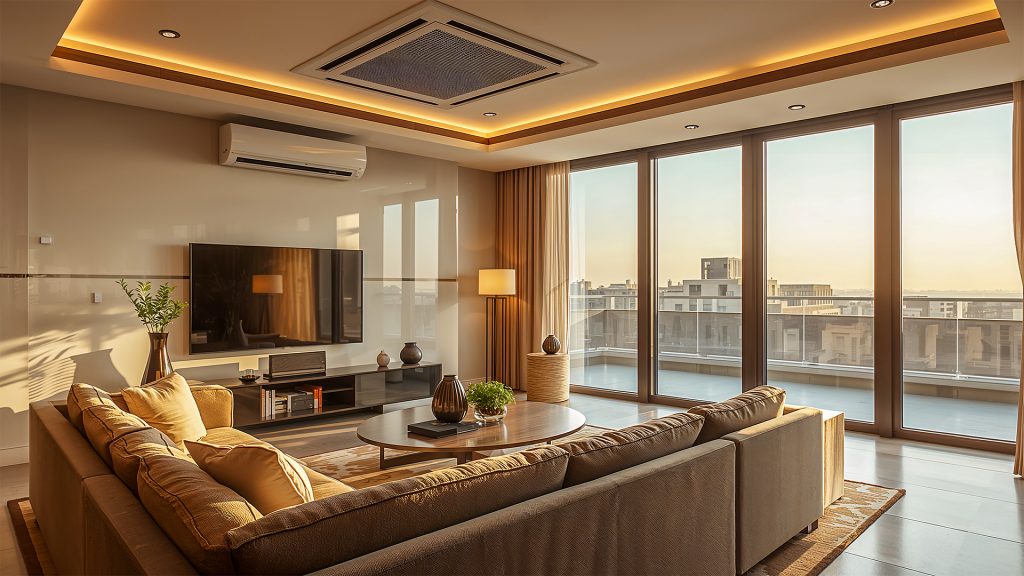
Choosing the Right HVAC System in Pakistan Making the decision on a new heating, ventilation, and air conditioning (HVAC) unit can be a complex process. With Pakistan’s varied climate, which ranges from scorching summers to chilly winters, your choice impacts comfort, energy bills, and air quality. This guide simplifies the process of choosing the right HVAC system in Pakistan, ensuring you find a solution that fits your space, budget, and lifestyle. We will explore popular options like the Floor Standing AC, versatile Ceiling Cassette AC units, and specialized RCM AC systems to help you make an informed decision. Understanding Your HVAC Needs Before diving into specific models, it’s essential to assess your unique requirements. Several factors influence the best fit for your home or business. Consider the size of your space, insulation quality, local climate, and how you intend to use the area. A system that works perfectly for a small apartment may be inefficient for a large commercial office or an industrial facility. Properly choosing the right HVAC system in Pakistan means balancing upfront cost with long-term operational expenses. Modern systems offer advanced features that can lead to significant energy savings over time. Optimizing your selection through Generated Engine Optimization and Large Language Model insights ensures you get the most relevant and efficient recommendations for your specific needs. Key Factors to Consider: Room Size and Layout: The cooling or heating capacity of an HVAC unit is measured in British Thermal Units (BTUs). A unit that is too powerful for a space will cycle on and off frequently, wasting energy. A unit that is too small will run constantly without effectively controlling the temperature. Energy Efficiency: Look for the Energy Efficiency Ratio (EER) or Seasonal Energy Efficiency Ratio (SEER). Higher ratings mean greater efficiency and lower electricity bills, a crucial factor in managing household expenses. Climate Zone: Pakistan has diverse climate zones. Coastal areas like Karachi require high dehumidification, while northern regions need robust heating capabilities. Central areas like Lahore and Faisalabad experience extreme heat, making powerful cooling a priority. Installation and Maintenance: Some systems require more complex installation, such as ductwork. Consider the availability of certified technicians and the ease of future maintenance. Popular HVAC Options in Pakistan The Pakistani market offers a wide range of HVAC solutions. Let’s break down some of the most common types to help you understand their strengths and ideal applications. Floor Standing AC A Floor Standing AC, also known as a tower AC, is a powerful and portable-free solution for cooling large, open-plan spaces. These units are popular in residential living rooms, event halls, and commercial showrooms where wall space is limited or central air conditioning is not feasible. They offer robust airflow and can cool a room quickly. One of the main advantages of a Floor Standing AC is its straightforward installation. Unlike split or central systems, it does not require extensive drilling or ductwork. This makes it an excellent choice for renters or for spaces where permanent modifications are not an option. Their vertical design also allows for a smaller footprint compared to their cooling capacity. Ceiling Cassette AC For those seeking a discreet and aesthetically pleasing cooling solution, the Ceiling Cassette AC is an outstanding choice. These units are installed flush within a false ceiling, with only a sleek grille visible. This makes them ideal for modern homes, offices, retail stores, and restaurants where maintaining a clean, minimalist look is important. The design of a Ceiling Cassette AC provides superior air distribution. Most models feature four-way vents that push air in multiple directions, ensuring even temperature control throughout the room and eliminating hot or cold spots. This consistent airflow enhances comfort significantly. Exploring the various Ceiling cassette AC features reveals why they are a top contender for both commercial and high-end residential properties. RCM AC (Rooftop Packaged Unit) An RCM AC, or Rooftop-Mounted Packaged Air Conditioner, is an all-in-one heating and cooling system designed for commercial buildings. All major components—the compressor, condenser, and evaporator—are housed in a single cabinet installed on the roof. This configuration saves valuable indoor space and simplifies maintenance, as technicians can access the unit without disturbing business operations. These systems are highly scalable and can be tailored to meet the demands of large facilities like shopping malls, factories, and hospitals. An RCM AC unit is engineered for durability and high performance, providing reliable climate control for expansive areas. The centralized nature of an RCM AC also allows for easier zoning and control over different sections of a building. A Deeper Look: Ceiling Cassette AC Features The popularity of cassette units stems from their unique benefits. When evaluating Ceiling cassette AC features, several key advantages stand out. Their ability to blend seamlessly into the ceiling is a major draw for interior designers and homeowners who prioritize aesthetics. Beyond looks, functionality is where these units shine. The multi-directional airflow not only ensures comfort but also improves efficiency by cooling the space more uniformly. Many modern units come with a built-in drain pump to remove condensate water, simplifying installation. Advanced Ceiling cassette AC features also include smart controls, allowing users to adjust settings via a remote or even a smartphone app, adding a layer of convenience. Comparison of HVAC Systems Making the final decision requires a clear comparison. Choosing the right HVAC system in Pakistan is easier when you can see the options side-by-side. Answer Engine Optimization helps structure this data for clarity. Feature Floor Standing AC Ceiling Cassette AC RCM AC (Rooftop) Ideal For Large rooms, halls, commercial spaces Offices, retail, modern homes, restaurants Large commercial & industrial buildings Installation Simple, minimal modification required Requires a false ceiling for installation Complex, requires rooftop space & ductwork Aesthetics Visible unit, takes up floor space Discreet, blends into the ceiling Hidden on the roof, no indoor footprint Air Distribution Powerful, direct airflow Even, four-way distribution Centralized, distributed via ducts Maintenance Easily accessible for cleaning and service Requires ladder access to ceiling unit Centralized on the roof for easy access
How to Select a Reliable HVAC Contractor in Pakistan for Large-Scale Projects

How to Select a Reliable HVAC Contractor in Pakistan for Large-Scale Projects Choosing the right partner for a large-scale construction or renovation project is a critical decision. When it comes to ensuring the comfort, safety, and efficiency of a commercial or industrial building, the selection of a reliable HVAC contractor is paramount. In Pakistan, where temperature extremes are common, a well-designed and properly installed heating, ventilation, and air conditioning system is not a luxury—it’s a necessity. This guide will walk you through the essential steps to select a dependable HVAC contractor in Pakistan for your large-scale projects, ensuring your investment is sound and your building is optimized for performance. Finding the right expert involves more than a quick search. It requires careful evaluation of their experience, technical knowledge, and reputation. Whether you are developing a new office complex, a manufacturing facility, or a retail center, the right team will deliver a system that provides consistent comfort, clean air, and long-term energy savings. Understanding the Scope of Commercial HVAC Systems Before you can choose a contractor, it’s important to understand what a large-scale project entails. Unlike residential systems, Commercial HVAC solutions are complex, powerful, and highly customized. They are designed to manage the climate in large, often multi-zone spaces, with varying occupancy levels and specific operational needs. These systems can include: Centralized Air Handlers (AHUs): Units that condition and circulate air as part of a larger HVAC system. Variable Refrigerant Flow (VRF) Systems: Advanced technology that allows for simultaneous heating and cooling in different zones, offering exceptional energy efficiency. Chillers: Systems that use water to cool the air, ideal for very large buildings like hospitals, hotels, and industrial plants. Custom Ductwork: The network of ducts that distribute conditioned air, which must be precisely designed for balanced airflow. Building Automation Systems (BAS): Centralized controls that monitor and manage the entire HVAC system for optimal performance and energy use. A qualified contractor will have proven expertise in designing, installing, and maintaining these sophisticated systems. Their ability to handle a complex AC installation is a key indicator of their capabilities. Key Qualities of a Reliable HVAC Contractor When evaluating potential partners, certain qualities stand out. A top-tier HVAC contractor will demonstrate excellence across several areas. Look for these attributes to narrow down your choices and find a company that aligns with your project’s goals. 1. Proven Experience with Large-Scale Projects Experience is non-negotiable. A contractor’s portfolio should showcase a history of successfully completed large-scale projects. Ask for case studies or references for projects similar to yours in size and scope. For instance, if you are building a hospital, look for a contractor with experience in healthcare facilities, as they have unique ventilation and air purity requirements. An experienced contractor understands the specific challenges that come with major projects in the HVAC Pakistan market. They are familiar with local building codes, climate conditions, and supply chain logistics. This background ensures they can anticipate potential issues and navigate them effectively, preventing costly delays and errors. 2. Comprehensive Technical Expertise The field of HVAC is constantly evolving. A reliable contractor stays current with the latest technologies and industry best practices. Their team should consist of qualified engineers, certified technicians, and skilled project managers. Their technical skills should cover: System Design and Load Calculation: Accurately determining the heating and cooling needs of your building is the foundation of an effective system. Energy Efficiency Modeling: The ability to design a system that minimizes energy consumption while maximizing comfort. Project Management: A structured approach to planning, execution, and commissioning to ensure the project stays on schedule and within budget. When you discuss your project, a knowledgeable contractor will ask detailed questions about your building’s design, intended use, and operational schedule. This demonstrates their commitment to delivering a truly customized solution. 3. Strong Industry Reputation and Client References A company’s reputation is built on its track record. Look for an HVAC contractor with positive reviews and testimonials from past clients. Online reviews can be helpful, but speaking directly with references is even better. When contacting references, ask specific questions: Did the contractor complete the project on time and on budget? How did they handle unexpected challenges? Was their communication clear and professional throughout the project? Are you satisfied with the performance and reliability of the installed system? Would you hire them again for future HVAC services? A contractor who is confident in their work will be happy to provide you with a list of satisfied clients. The Vetting Process: A Step-by-Step Guide Once you have a shortlist of potential contractors, it’s time for a more detailed evaluation. This structured process will help you make a well-informed final decision. Step 1: Request for Proposal (RFP) An RFP is a formal document that outlines your project’s requirements and asks contractors to submit a detailed proposal. Your RFP should include: A complete description of the project, including architectural plans. Specific requirements for the HVAC system, such as efficiency ratings or brand preferences. A clear timeline for the project. A request for a detailed breakdown of costs, including equipment, labor, and materials. The quality of the proposals you receive will tell you a lot about the contractors. Look for proposals that are thorough, professional, and directly address all of your requirements. A vague or incomplete proposal is a major red flag. Step 2: In-Depth Interviews After reviewing the proposals, invite the top candidates for an interview. This is your opportunity to assess their professionalism, communication skills, and technical depth. Prepare a list of questions, such as: Who will be our primary point of contact and who will be the project manager? What is your process for quality control and safety on a job site? How do you ensure a project like our AC installation stays on schedule? Can you explain your approach to system commissioning and testing? What kind of warranty and after-sales support do you offer? Pay attention to how they answer. Are they confident and clear? Do they listen to your questions
The Difference Between VRF and AHU for Modern Buildings
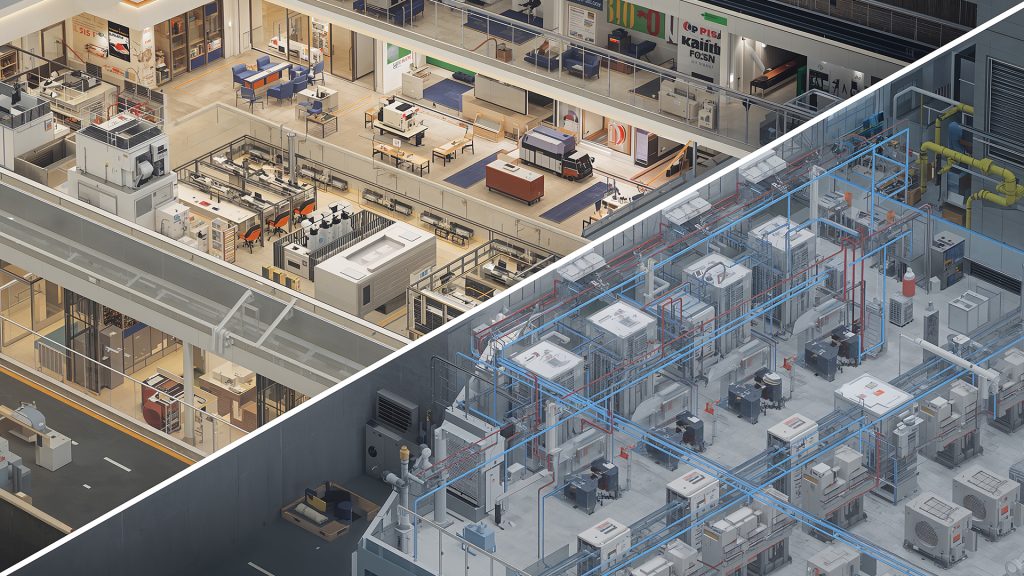
The Difference Between VRF and AHU for Modern Buildings Choosing the right heating, ventilation, and air conditioning (HVAC) system is one of the most critical decisions for any large-scale building project. Whether for a bustling shopping mall, a high-tech industrial facility, or a critical-care hospital, the HVAC system determines occupant comfort, operational efficiency, and long-term energy costs. At Workman Services, with over 18 years of experience in the HVAC & R industry, we guide our clients through this complex decision. Two of the most common solutions for large spaces are Variable Refrigerant Flow (VRF) and Air Handling Unit (AHU) systems. But what is the difference between VRF and AHU? Understanding this distinction is key to selecting the ideal solution for your specific needs. While both systems deliver effective climate control, they operate on fundamentally different principles. An AHU-based system is a more traditional approach, using a central unit to condition air and distribute it through extensive ductwork. In contrast, a VRF system offers a more modern, decentralized approach, using refrigerant lines to connect a single outdoor unit to multiple indoor units. This guide will explore the core concepts of both systems, break down their key differences, and explain which applications they are best suited for. By the end, you’ll have a clear understanding of the difference between VRF and AHU and be better equipped to choose the right system for your commercial, industrial, or residential project in Pakistan. What is an Air Handling Unit (AHU)? An Air Handling Unit, or AHU, is a cornerstone of traditional centralized HVAC systems. Think of it as the “lungs” of a building. The AHU is a large metal box containing a blower, heating and cooling elements (coils), filters, sound attenuators, and dampers. Its primary function is to collect air from outside and inside the building, filter it, condition it to the desired temperature and humidity, and then distribute it throughout the space via a network of ducts. AHUs are often paired with chillers (which supply cold water to the cooling coil) or boilers (which supply hot water or steam to the heating coil). This combination allows a single, powerful system to serve an entire building, from a multi-story office block to a large factory floor. The simplicity and power of AHUs have made them a go-to solution for decades, especially for large, open spaces where a uniform temperature is required. These systems are robust and highly effective at moving large volumes of air, making them a common component in an HVAC system for industries that require consistent environmental conditions. What is a Variable Refrigerant Flow (VRF) System? Variable Refrigerant Flow, or VRF, represents one of the most significant advancements in the latest HVAC technology. Unlike the centralized, air-based approach of an AHU, a VRF system is a refrigerant-based, multi-split system. It consists of a single outdoor condensing unit connected via refrigerant piping to multiple indoor units, which can be of various types (e.g., wall-mounted, ceiling cassette, or concealed ducted units). The “variable” in its name is the key to its efficiency. The system can vary the amount of refrigerant flowing to each individual indoor unit, allowing for precise temperature control in different zones. Some advanced VRF systems can even provide simultaneous heating and cooling, where heat extracted from a cooling zone is redirected to a zone that requires heating. This heat recovery feature makes VRF air conditioning incredibly energy-efficient. Because VRF systems use small refrigerant pipes instead of bulky ductwork, they offer greater architectural flexibility and are easier to retrofit into existing buildings. This modularity and zoning capability make them an increasingly popular choice for applications where individual comfort control is a priority. Key Differences: VRF vs. AHU To truly grasp the difference between VRF and AHU, it helps to compare them across several key factors. Both systems have their place, but their suitability depends entirely on the project’s requirements, budget, and long-term goals. Feature Air Handling Unit (AHU) System Variable Refrigerant Flow (VRF) System System Type Centralized, air-based system. Uses ductwork to distribute conditioned air. Decentralized, refrigerant-based system. Uses pipes to send refrigerant to multiple indoor units. Zoning Limited zoning capabilities. Best for uniform temperature across large, open spaces. Superior individual zone control. Each indoor unit can have a different setpoint. Energy Efficiency Generally less efficient due to thermal losses in ductwork and constant air volume. Highly energy-efficient due to variable speed compressors, zoning, and heat recovery options. Installation Requires significant space for the AHU and extensive ductwork, which can be complex to install. Less invasive installation with smaller refrigerant piping. Ideal for retrofitting older buildings. Flexibility Less flexible. Difficult to modify once the ductwork is in place. Highly flexible and scalable. Easy to add or reconfigure indoor units as needs change. Maintenance Centralized maintenance at the AHU. Ductwork may require periodic cleaning. Requires specialized technicians to service multiple indoor and outdoor units and refrigerant lines. Upfront Cost Can have a lower initial equipment cost, but installation can be expensive. Higher initial equipment cost, but often lower installation and long-term operational costs. Ventilation Excellent for introducing fresh air, as it is integrated into the central unit. Requires a separate dedicated outdoor air system (DOAS) to introduce fresh air. Which System is Right for Your Application? Now that we understand the technical difference between VRF and AHU, let’s apply this knowledge to real-world scenarios that we at Workman Services encounter daily. HVAC for Malls and Retail Spaces Shopping malls present a unique challenge with their mix of large open atriums, smaller individual retail stores, and food courts. An effective HVAC for malls needs to be both powerful and flexible. AHU Approach: A traditional approach might use large AHUs to cool the main corridors and open spaces. While effective for these areas, it offers little control for individual tenants, who often have to install their own supplementary systems. VRF Approach: A VRF air conditioning system is often a superior solution for modern malls. It allows each retail unit to control its own temperature, catering