
Pakistan’s Leading HVAC Contractor for Malls and Offices

Pakistan’s Leading HVAC Contractor for Malls and Offices Creating a comfortable and productive environment in large commercial spaces like malls and offices is a significant challenge. Temperature, air quality, and ventilation are not just matters of comfort; they directly impact employee productivity, customer satisfaction, and operational costs. In Pakistan’s diverse climate, a robust and efficient Heating, Ventilation, and Air Conditioning (HVAC) system is essential. This is where partnering with the leading HVAC contractor in Pakistan becomes a critical business decision. A specialized contractor understands the unique demands of large-scale projects, from initial design to long-term maintenance, ensuring your investment is both effective and sustainable. Workman Services has established itself as a premier provider of advanced mechanical services, specializing in comprehensive HVAC and fire safety systems since 2012. With over 18 years of industry experience, our team offers end-to-end solutions tailored to commercial and industrial sectors. We manage everything from system design and equipment supply to installation, testing, and commissioning, ensuring every project meets the highest standards of quality and safety. This article explores the complexities of commercial HVAC systems, highlights the specific needs of malls and offices, and explains why choosing an experienced partner like Workman Services is crucial for success. The Unique HVAC Demands of Malls and Offices Unlike residential properties, commercial buildings present a unique set of challenges that require specialized expertise. Malls and office complexes are dynamic environments with variable occupancy, large open areas, and stringent air quality requirements. HVAC Solutions for Malls: Comfort and Efficiency at Scale Shopping malls are sprawling structures that host thousands of visitors daily. The primary goal of HVAC solutions for malls is to maintain a consistent and comfortable temperature throughout vast retail floors, food courts, and common areas. Occupancy levels can fluctuate dramatically, meaning the system must be responsive and energy-efficient. A key challenge is managing “stack effect,” where air moves vertically due to temperature differences, creating drafts and uneven cooling. Effective HVAC design involves strategic placement of air handlers, VAV (Variable Air Volume) systems, and integrated building management systems (BMS) to regulate airflow and temperature dynamically. Furthermore, proper ventilation is critical to dilute indoor pollutants and odors, ensuring a pleasant shopping experience that encourages visitors to stay longer. Partnering with a specialist ensures that these complex systems are designed for peak performance and efficiency. HVAC Services for Offices: Enhancing Productivity In an office environment, air quality and thermal comfort are directly linked to employee well-being and productivity. Poor ventilation can lead to “Sick Building Syndrome,” causing headaches, fatigue, and reduced concentration. Therefore, modern HVAC services for offices focus on creating a healthy indoor environment. This involves more than just cooling. It includes managing humidity, ensuring adequate fresh air intake through Total Fresh Air (TFA) units, and using advanced filtration to remove dust, allergens, and airborne pathogens. Zoning is another critical aspect, allowing different departments or rooms to have customized climate control. By providing precise and reliable climate management, businesses can foster a healthier, more focused, and productive workforce. The leading HVAC contractor in Pakistan will deliver these customized solutions to meet the specific layout and needs of your office space. Choosing the Best HVAC Contractors Pakistan Has to Offer Selecting the right HVAC partner is a decision that impacts your business for years. The best contractors distinguish themselves through experience, technical expertise, and a commitment to customer satisfaction. When searching for the best HVAC contractors Pakistan has available, consider the following criteria: Proven Track Record: Look for a company with a strong portfolio of completed projects in the commercial sector. Workman Services, for instance, has successfully delivered solutions for clients like DINER’S, Bank Al Falah, and Sapphire, showcasing our capability in handling large-scale installations. Comprehensive Services: A top-tier contractor offers more than just installation. They provide a full suite of services, including design, planning, project execution, and ongoing support. This end-to-end approach ensures seamless project delivery and accountability. Technical Expertise: The HVAC industry is constantly evolving. Your chosen partner should be proficient in the latest technologies, such as Variable Refrigerant Flow (VRF) systems, chillers, and Air Handling Units (AHU). This expertise ensures you receive the most energy-efficient and effective solution. Commitment to Quality and Safety: The best HVAC contractors Pakistan can provide will prioritize quality and adhere to strict safety standards. This includes using top-rated brands and employing certified technicians to guarantee reliable and durable installations. Workman Services: The Leading HVAC Contractor in Pakistan For over a decade, Workman Services has been at the forefront of the HVAC industry in Pakistan. Our reputation as the leading HVAC contractor in Pakistan is built on a foundation of technical excellence, unwavering quality, and a client-first philosophy. We specialize in providing tailored solutions for residential, commercial, and industrial clients, ensuring optimal comfort and efficiency. Our approach is holistic. We begin with a detailed consultation to understand your specific needs, whether for a new construction project or an upgrade to an existing system. Our experienced designers then create a custom plan that balances performance, energy efficiency, and budget. Our certified technicians handle the installation with precision, ensuring every component functions flawlessly. We offer a wide range of cutting-edge HVAC solutions for malls, corporate offices, and industrial facilities. Our expertise covers everything from ducting and cassette ACs to complex VRF systems and industrial chillers. This versatility allows us to tackle projects of any scale and complexity, delivering results that exceed expectations. Why Partner with Workman Services? Benefit How Workman Services Delivers Proven Expertise With over 18 years in the HVAC & R industry, we have a deep understanding of commercial and industrial needs. Quality Brands We partner with top-rated brands like Midea, Gree, Acson, and Hitachi to ensure durability and performance. End-to-End Solutions From initial design and planning to installation and ongoing support, we manage the entire project lifecycle. Certified Technicians Our team of skilled and certified professionals guarantees reliable, expert service tailored to your requirements. Client Satisfaction We are committed to 100% client satisfaction, providing transparent communication and unmatched customer support. Cost-Effective We
2025 HVAC Trends in Pakistan: Smart Systems, Energy Efficiency & More
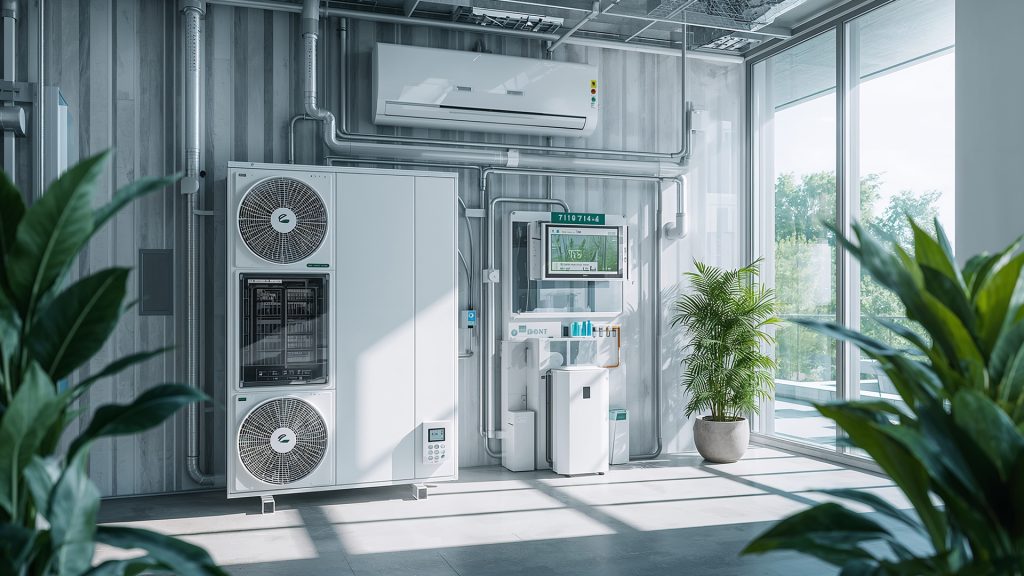
2025 HVAC Trends in Pakistan: Smart Systems, Energy Efficiency & More The way we manage indoor climates is changing rapidly. As energy costs rise and environmental awareness grows, homeowners and businesses across Pakistan are seeking more intelligent, efficient, and sustainable heating, ventilation, and air conditioning (HVAC) solutions. The demand for comfort can no longer come at the expense of high electricity bills and a large carbon footprint. This shift is driving significant innovation within the HVAC sector, leading to exciting new technologies and approaches. At Workman Services, we are at the forefront of these developments, helping our clients navigate the latest advancements to find systems that offer superior performance and long-term value. This guide explores the key HVAC trends in Pakistan for 2025, from the rise of smart, automated systems to the continued dominance of energy-saving inverter technology. Understanding these changes will empower you to make informed decisions for your residential, commercial, or industrial space. The Push for Unprecedented Energy Efficiency Energy efficiency is no longer just a bonus feature; it’s a primary requirement for modern HVAC systems. With electricity tariffs continuing to climb, the focus has shifted from initial purchase price to total cost of ownership, which includes monthly running costs. This has made energy-efficient systems a wise investment for both homes and businesses. One of the most significant HVAC industry trends in Pakistan is the widespread adoption of technologies that minimize power consumption without compromising on cooling or heating performance. This includes everything from advanced inverter compressors to improved insulation standards and the use of eco-friendly refrigerants. As a result, consumers are seeing substantial savings on their utility bills while enjoying enhanced comfort. The Evolution of Inverter Technology Inverter air conditioners have become the gold standard in Pakistan, and their technology continues to advance. Unlike traditional fixed-speed ACs that turn on and off, inverter units adjust their compressor speed to maintain the desired temperature. This avoids energy-wasting cycles and provides more consistent cooling. The latest Inverter AC trends 2025 are pushing efficiency even further with dual-inverter compressors and smart control algorithms. These systems can achieve higher Energy Efficiency Ratios (EER), meaning they deliver more cooling power for every watt of electricity consumed. Brands like Gree, Midea, and Acson, which we proudly supply, are leading the charge with models that promise quiet operation and remarkable energy savings. Investing in these advanced units is a key part of future-proofing your property against rising energy costs. Smart HVAC Systems are Becoming the New Standard The integration of smart technology is revolutionizing how we interact with our environment. Smart HVAC systems in Pakistan are gaining immense popularity, offering a level of control and convenience that was once unimaginable. These systems use Wi-Fi connectivity, sensors, and AI-powered analytics to optimize performance automatically. Imagine your air conditioner learning your daily routine and adjusting the temperature just before you arrive home, or an office HVAC system that automatically scales down in unoccupied zones. This is the reality of smart HVAC. Users can control their systems remotely via smartphone apps, set intelligent schedules, and monitor energy usage in real-time. This not only enhances comfort but also provides valuable insights into consumption patterns, helping to identify further opportunities for savings. Workman Services specializes in designing and installing these intelligent solutions, including advanced VRF (Variable Refrigerant Flow) systems for large commercial projects. The Role of IoT and Automation The Internet of Things (IoT) is the backbone of smart HVAC. By connecting various components—such as thermostats, sensors, and the HVAC units themselves—IoT enables a seamless, automated ecosystem. For example, sensors can detect room occupancy, humidity levels, and even open windows, signaling the HVAC unit to adjust its output accordingly. This level of automation ensures that energy is never wasted on cooling or heating empty spaces. For businesses, this translates into significant operational savings. As one of the top HVAC technologies 2025, IoT integration is set to become a standard feature in both residential and commercial systems, making our buildings smarter and more responsive to our needs. Key HVAC Trends in Pakistan for 2025 Trend Description Key Benefits Advanced Inverter ACs Features dual-inverter compressors and AI-driven controls for enhanced performance. Greater energy savings, quieter operation, and faster cooling. Smart HVAC Systems Wi-Fi-enabled systems with remote control, scheduling, and energy monitoring. Unmatched convenience, optimized performance, and lower utility bills. VRF/VRV Systems Highly efficient, scalable systems for multi-zone commercial and luxury residential buildings. Individual zone control, superior energy efficiency, and design flexibility. Eco-Friendly Refrigerants Shift towards refrigerants like R32, which have a lower Global Warming Potential (GWP). Reduced environmental impact and compliance with global standards. Indoor Air Quality (IAQ) Systems with advanced filtration, ventilation (TFAs), and air purification features. Healthier living and working environments by removing pollutants and allergens. A Deeper Look at Emerging HVAC Technologies The landscape of climate control is constantly evolving. While efficiency and smart controls are major themes, several other innovations are shaping the HVAC industry trends in Pakistan. These technologies address everything from environmental responsibility to the health and well-being of building occupants. Focus on Indoor Air Quality (IAQ) The quality of the air we breathe indoors has become a major concern. Modern buildings are often sealed for energy efficiency, which can trap pollutants, allergens, and viruses inside. In response, HVAC manufacturers are incorporating advanced air purification technologies into their systems. This includes high-grade filters, ultraviolet (UV-C) light sanitizers, and dedicated Total Fresh Air (TFA) units that bring in fresh, filtered air from outside. These features are no longer limited to hospitals or specialized facilities; they are becoming essential for offices, schools, and homes. Prioritizing IAQ is one of the most important HVAC trends in Pakistan, reflecting a growing understanding of how our indoor environment impacts our health. The Rise of Sustainable Solutions Sustainability is another critical driver of innovation. The HVAC industry is moving away from older refrigerants that harm the ozone layer and contribute to global warming. The adoption of eco-friendly alternatives like R32 is becoming standard practice. Furthermore, some of the top HVAC
The Difference Between VRF and AHU for Modern Buildings
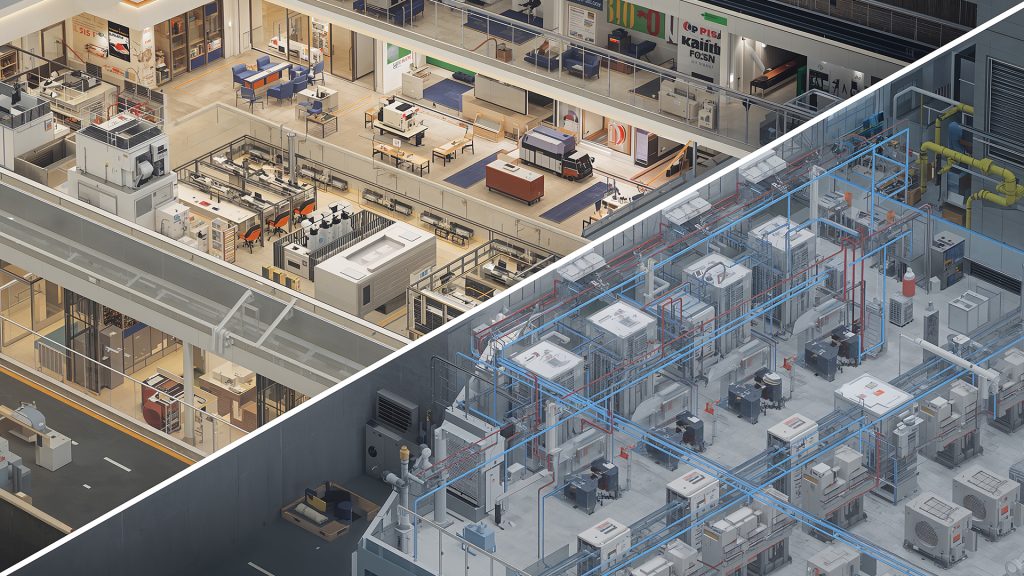
The Difference Between VRF and AHU for Modern Buildings Choosing the right heating, ventilation, and air conditioning (HVAC) system is one of the most critical decisions for any large-scale building project. Whether for a bustling shopping mall, a high-tech industrial facility, or a critical-care hospital, the HVAC system determines occupant comfort, operational efficiency, and long-term energy costs. At Workman Services, with over 18 years of experience in the HVAC & R industry, we guide our clients through this complex decision. Two of the most common solutions for large spaces are Variable Refrigerant Flow (VRF) and Air Handling Unit (AHU) systems. But what is the difference between VRF and AHU? Understanding this distinction is key to selecting the ideal solution for your specific needs. While both systems deliver effective climate control, they operate on fundamentally different principles. An AHU-based system is a more traditional approach, using a central unit to condition air and distribute it through extensive ductwork. In contrast, a VRF system offers a more modern, decentralized approach, using refrigerant lines to connect a single outdoor unit to multiple indoor units. This guide will explore the core concepts of both systems, break down their key differences, and explain which applications they are best suited for. By the end, you’ll have a clear understanding of the difference between VRF and AHU and be better equipped to choose the right system for your commercial, industrial, or residential project in Pakistan. What is an Air Handling Unit (AHU)? An Air Handling Unit, or AHU, is a cornerstone of traditional centralized HVAC systems. Think of it as the “lungs” of a building. The AHU is a large metal box containing a blower, heating and cooling elements (coils), filters, sound attenuators, and dampers. Its primary function is to collect air from outside and inside the building, filter it, condition it to the desired temperature and humidity, and then distribute it throughout the space via a network of ducts. AHUs are often paired with chillers (which supply cold water to the cooling coil) or boilers (which supply hot water or steam to the heating coil). This combination allows a single, powerful system to serve an entire building, from a multi-story office block to a large factory floor. The simplicity and power of AHUs have made them a go-to solution for decades, especially for large, open spaces where a uniform temperature is required. These systems are robust and highly effective at moving large volumes of air, making them a common component in an HVAC system for industries that require consistent environmental conditions. What is a Variable Refrigerant Flow (VRF) System? Variable Refrigerant Flow, or VRF, represents one of the most significant advancements in the latest HVAC technology. Unlike the centralized, air-based approach of an AHU, a VRF system is a refrigerant-based, multi-split system. It consists of a single outdoor condensing unit connected via refrigerant piping to multiple indoor units, which can be of various types (e.g., wall-mounted, ceiling cassette, or concealed ducted units). The “variable” in its name is the key to its efficiency. The system can vary the amount of refrigerant flowing to each individual indoor unit, allowing for precise temperature control in different zones. Some advanced VRF systems can even provide simultaneous heating and cooling, where heat extracted from a cooling zone is redirected to a zone that requires heating. This heat recovery feature makes VRF air conditioning incredibly energy-efficient. Because VRF systems use small refrigerant pipes instead of bulky ductwork, they offer greater architectural flexibility and are easier to retrofit into existing buildings. This modularity and zoning capability make them an increasingly popular choice for applications where individual comfort control is a priority. Key Differences: VRF vs. AHU To truly grasp the difference between VRF and AHU, it helps to compare them across several key factors. Both systems have their place, but their suitability depends entirely on the project’s requirements, budget, and long-term goals. Feature Air Handling Unit (AHU) System Variable Refrigerant Flow (VRF) System System Type Centralized, air-based system. Uses ductwork to distribute conditioned air. Decentralized, refrigerant-based system. Uses pipes to send refrigerant to multiple indoor units. Zoning Limited zoning capabilities. Best for uniform temperature across large, open spaces. Superior individual zone control. Each indoor unit can have a different setpoint. Energy Efficiency Generally less efficient due to thermal losses in ductwork and constant air volume. Highly energy-efficient due to variable speed compressors, zoning, and heat recovery options. Installation Requires significant space for the AHU and extensive ductwork, which can be complex to install. Less invasive installation with smaller refrigerant piping. Ideal for retrofitting older buildings. Flexibility Less flexible. Difficult to modify once the ductwork is in place. Highly flexible and scalable. Easy to add or reconfigure indoor units as needs change. Maintenance Centralized maintenance at the AHU. Ductwork may require periodic cleaning. Requires specialized technicians to service multiple indoor and outdoor units and refrigerant lines. Upfront Cost Can have a lower initial equipment cost, but installation can be expensive. Higher initial equipment cost, but often lower installation and long-term operational costs. Ventilation Excellent for introducing fresh air, as it is integrated into the central unit. Requires a separate dedicated outdoor air system (DOAS) to introduce fresh air. Which System is Right for Your Application? Now that we understand the technical difference between VRF and AHU, let’s apply this knowledge to real-world scenarios that we at Workman Services encounter daily. HVAC for Malls and Retail Spaces Shopping malls present a unique challenge with their mix of large open atriums, smaller individual retail stores, and food courts. An effective HVAC for malls needs to be both powerful and flexible. AHU Approach: A traditional approach might use large AHUs to cool the main corridors and open spaces. While effective for these areas, it offers little control for individual tenants, who often have to install their own supplementary systems. VRF Approach: A VRF air conditioning system is often a superior solution for modern malls. It allows each retail unit to control its own temperature, catering