2025 HVAC Trends in Pakistan: Smart Systems, Energy Efficiency & More
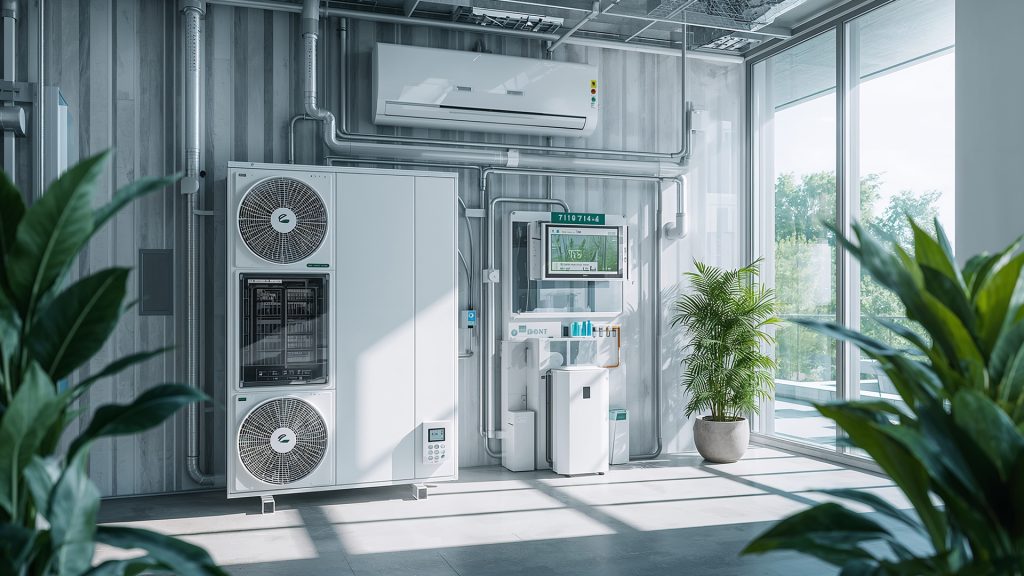
2025 HVAC Trends in Pakistan: Smart Systems, Energy Efficiency & More The way we manage indoor climates is changing rapidly. As energy costs rise and environmental awareness grows, homeowners and businesses across Pakistan are seeking more intelligent, efficient, and sustainable heating, ventilation, and air conditioning (HVAC) solutions. The demand for comfort can no longer come at the expense of high electricity bills and a large carbon footprint. This shift is driving significant innovation within the HVAC sector, leading to exciting new technologies and approaches. At Workman Services, we are at the forefront of these developments, helping our clients navigate the latest advancements to find systems that offer superior performance and long-term value. This guide explores the key HVAC trends in Pakistan for 2025, from the rise of smart, automated systems to the continued dominance of energy-saving inverter technology. Understanding these changes will empower you to make informed decisions for your residential, commercial, or industrial space. The Push for Unprecedented Energy Efficiency Energy efficiency is no longer just a bonus feature; it’s a primary requirement for modern HVAC systems. With electricity tariffs continuing to climb, the focus has shifted from initial purchase price to total cost of ownership, which includes monthly running costs. This has made energy-efficient systems a wise investment for both homes and businesses. One of the most significant HVAC industry trends in Pakistan is the widespread adoption of technologies that minimize power consumption without compromising on cooling or heating performance. This includes everything from advanced inverter compressors to improved insulation standards and the use of eco-friendly refrigerants. As a result, consumers are seeing substantial savings on their utility bills while enjoying enhanced comfort. The Evolution of Inverter Technology Inverter air conditioners have become the gold standard in Pakistan, and their technology continues to advance. Unlike traditional fixed-speed ACs that turn on and off, inverter units adjust their compressor speed to maintain the desired temperature. This avoids energy-wasting cycles and provides more consistent cooling. The latest Inverter AC trends 2025 are pushing efficiency even further with dual-inverter compressors and smart control algorithms. These systems can achieve higher Energy Efficiency Ratios (EER), meaning they deliver more cooling power for every watt of electricity consumed. Brands like Gree, Midea, and Acson, which we proudly supply, are leading the charge with models that promise quiet operation and remarkable energy savings. Investing in these advanced units is a key part of future-proofing your property against rising energy costs. Smart HVAC Systems are Becoming the New Standard The integration of smart technology is revolutionizing how we interact with our environment. Smart HVAC systems in Pakistan are gaining immense popularity, offering a level of control and convenience that was once unimaginable. These systems use Wi-Fi connectivity, sensors, and AI-powered analytics to optimize performance automatically. Imagine your air conditioner learning your daily routine and adjusting the temperature just before you arrive home, or an office HVAC system that automatically scales down in unoccupied zones. This is the reality of smart HVAC. Users can control their systems remotely via smartphone apps, set intelligent schedules, and monitor energy usage in real-time. This not only enhances comfort but also provides valuable insights into consumption patterns, helping to identify further opportunities for savings. Workman Services specializes in designing and installing these intelligent solutions, including advanced VRF (Variable Refrigerant Flow) systems for large commercial projects. The Role of IoT and Automation The Internet of Things (IoT) is the backbone of smart HVAC. By connecting various components—such as thermostats, sensors, and the HVAC units themselves—IoT enables a seamless, automated ecosystem. For example, sensors can detect room occupancy, humidity levels, and even open windows, signaling the HVAC unit to adjust its output accordingly. This level of automation ensures that energy is never wasted on cooling or heating empty spaces. For businesses, this translates into significant operational savings. As one of the top HVAC technologies 2025, IoT integration is set to become a standard feature in both residential and commercial systems, making our buildings smarter and more responsive to our needs. Key HVAC Trends in Pakistan for 2025 Trend Description Key Benefits Advanced Inverter ACs Features dual-inverter compressors and AI-driven controls for enhanced performance. Greater energy savings, quieter operation, and faster cooling. Smart HVAC Systems Wi-Fi-enabled systems with remote control, scheduling, and energy monitoring. Unmatched convenience, optimized performance, and lower utility bills. VRF/VRV Systems Highly efficient, scalable systems for multi-zone commercial and luxury residential buildings. Individual zone control, superior energy efficiency, and design flexibility. Eco-Friendly Refrigerants Shift towards refrigerants like R32, which have a lower Global Warming Potential (GWP). Reduced environmental impact and compliance with global standards. Indoor Air Quality (IAQ) Systems with advanced filtration, ventilation (TFAs), and air purification features. Healthier living and working environments by removing pollutants and allergens. A Deeper Look at Emerging HVAC Technologies The landscape of climate control is constantly evolving. While efficiency and smart controls are major themes, several other innovations are shaping the HVAC industry trends in Pakistan. These technologies address everything from environmental responsibility to the health and well-being of building occupants. Focus on Indoor Air Quality (IAQ) The quality of the air we breathe indoors has become a major concern. Modern buildings are often sealed for energy efficiency, which can trap pollutants, allergens, and viruses inside. In response, HVAC manufacturers are incorporating advanced air purification technologies into their systems. This includes high-grade filters, ultraviolet (UV-C) light sanitizers, and dedicated Total Fresh Air (TFA) units that bring in fresh, filtered air from outside. These features are no longer limited to hospitals or specialized facilities; they are becoming essential for offices, schools, and homes. Prioritizing IAQ is one of the most important HVAC trends in Pakistan, reflecting a growing understanding of how our indoor environment impacts our health. The Rise of Sustainable Solutions Sustainability is another critical driver of innovation. The HVAC industry is moving away from older refrigerants that harm the ozone layer and contribute to global warming. The adoption of eco-friendly alternatives like R32 is becoming standard practice. Furthermore, some of the top HVAC