Ultimate Guide to Commercial AC Solutions
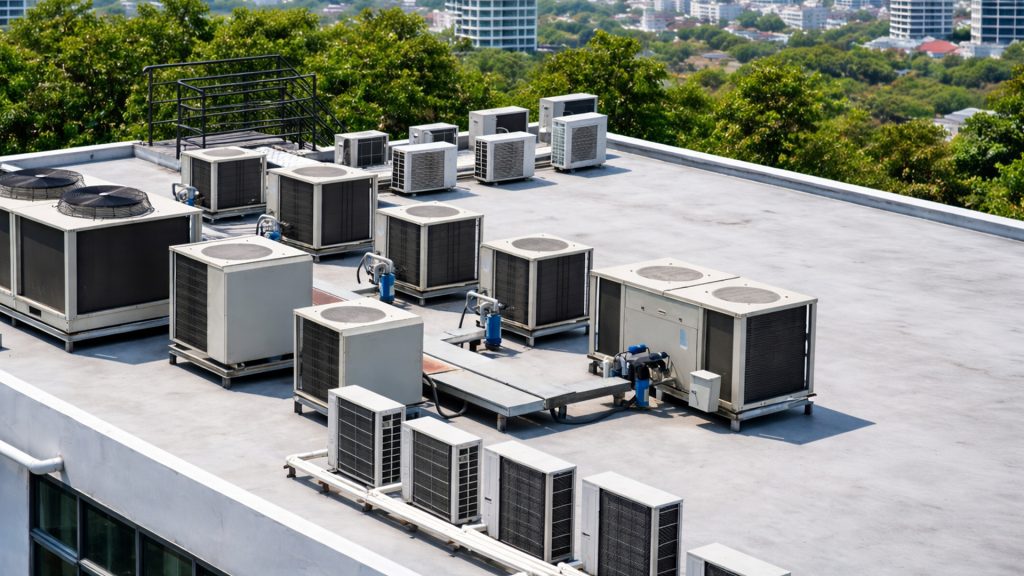
Ultimate Guide to Commercial AC Solutions A sweltering office quickly drains employee productivity and drives customers away. Maintaining a comfortable environment is crucial for any business, whether you run a small retail shop or a massive manufacturing facility. Finding the right equipment makes a massive difference in your daily operations and your monthly energy bills. When you invest in an air con commercial system, you secure the comfort of your staff and patrons. However, navigating the complex world of industrial and commercial HVAC systems can feel overwhelming. You need to understand the different types of units, how they function, and why professional project management guarantees long-term success. This comprehensive guide breaks down everything you need to know about selecting an ac for commercial use. Here are the key takeaways you will gain: The differences between residential and commercial cooling systems. How to identify the right cooling capacity for your specific business space. The distinct advantages of upgrading your facility’s climate control. Why Workman Services remains the top choice for HVAC installation and project management. Understanding the Scale of Business Cooling Needs Cooling a commercial space requires far more power and complexity than cooling a standard home. Residential units simply cannot handle the heat load generated by dozens of employees, extensive computer equipment, and constant foot traffic. You need robust systems designed specifically for continuous, heavy-duty operation. An air con commercial system features larger components, advanced drainage solutions, and complex ventilation networks. These systems must meet strict industry regulations and local building codes. They also require strategic placement on rooftops or in dedicated mechanical rooms to minimize noise and maximize efficiency. Choosing an ac for commercial use means evaluating your building’s exact square footage, ceiling height, and insulation quality. A specialized HVAC engineer calculates these factors to recommend a system that provides consistent cooling without wasting expensive electricity. Exploring the light commercial ac unit Not every business needs a massive industrial chiller. Small to medium-sized enterprises often benefit most from a light commercial ac unit. These systems bridge the gap between heavy industrial equipment and standard residential air conditioners. A typical light commercial ac unit provides cooling capacities ranging from 3 to 25 tons. They are perfect for restaurants, boutique retail stores, small office buildings, and medical clinics. These units offer excellent flexibility, allowing business owners to cool specific zones efficiently. When you install a light commercial ac, you gain the advantage of modular design. Technicians can often install these systems quickly with minimal disruption to your daily operations. Furthermore, a modern light commercial ac features advanced thermostats and smart controls, giving you precise command over your indoor climate. Top Systems for Business Environments Selecting the right equipment depends entirely on your building’s architecture and your operational needs. Workman Services specializes in supplying and installing a wide variety of high-performance cooling systems. Here is a breakdown of the most common solutions: Variable Refrigerant Flow (VRF) Systems VRF technology represents the pinnacle of modern climate control. These systems use varying amounts of refrigerant to cool different zones simultaneously. They are incredibly energy-efficient and work beautifully in large office buildings and hotels where different rooms require different temperatures. Air Handling Units (AHU) and Chillers For massive spaces like hospitals, shopping malls, and manufacturing plants, chilled water systems offer unmatched cooling power. A central chiller cools water, which is then pumped to Air Handling Units throughout the building. The AHU blows air over the chilled water coils, distributing crisp, cool air through extensive ductwork. Cassette Air Conditioners If your building features drop ceilings, 4-way cassette units provide a sleek, unobtrusive cooling solution. They mount flush with the ceiling tiles and distribute air evenly in four directions. Many businesses use these as a light commercial air conditioner because they blend seamlessly into the interior design. Floor Standing Units Floor standing air conditioners offer powerful, direct cooling for spaces without ceiling access. They are frequently used in server rooms, open-plan showrooms, and large event halls. They are easy to maintain and provide rapid temperature reduction. Summary of Key Commercial AC Types To help you compare your options, review this table outlining the core commercial cooling systems and their primary benefits. AC Type Best Application Key Benefits VRF System Multi-story offices, luxury villas, hotels High energy efficiency, precise zoning, simultaneous heating and cooling. Chiller System Industrial plants, hospitals, large malls Massive cooling capacity, long lifespan, excellent for sprawling facilities. Cassette AC Retail shops, open-plan offices, cafes Space-saving design, quiet operation, even 4-way air distribution. Light Commercial System Small offices, standalone restaurants Affordable installation, easy maintenance, scalable design. Floor Standing AC Server rooms, showrooms, large halls Rapid cooling, no ceiling installation required, highly accessible. The Benefits of a High-Quality light commercial air conditioner Upgrading your climate control system requires a significant upfront investment, but the long-term returns are substantial. A high-quality light commercial air conditioner drastically reduces your monthly utility expenses. Older, inefficient units work twice as hard to produce half the cooling, burning through electricity in the process. Modern systems feature advanced inverter technology. Instead of constantly turning on and off, the compressor adjusts its speed to maintain a steady temperature. This reduces wear and tear on the internal components and uses far less power. Additionally, a new light commercial air conditioner dramatically improves your indoor air quality. Advanced filtration systems capture dust, allergens, and airborne pathogens. This creates a healthier environment, reducing employee sick days and creating a more welcoming atmosphere for your clients. The Importance of Professional Project Management Purchasing the best air con commercial equipment means nothing if it is installed incorrectly. Commercial HVAC installation is a complex construction project that requires meticulous planning, coordination, and execution. Workman Services excels in MEP (Mechanical, Electrical, and Plumbing) project management. Their team of experienced designers and certified technicians handles every aspect of the process. They begin with comprehensive planning, ensuring the chosen system perfectly matches your building’s thermal dynamics. Effective project management prevents costly delays and physical clashes between ductwork, electrical conduits, and plumbing pipes.
Your Guide to Top HVAC Systems and Expert Installation
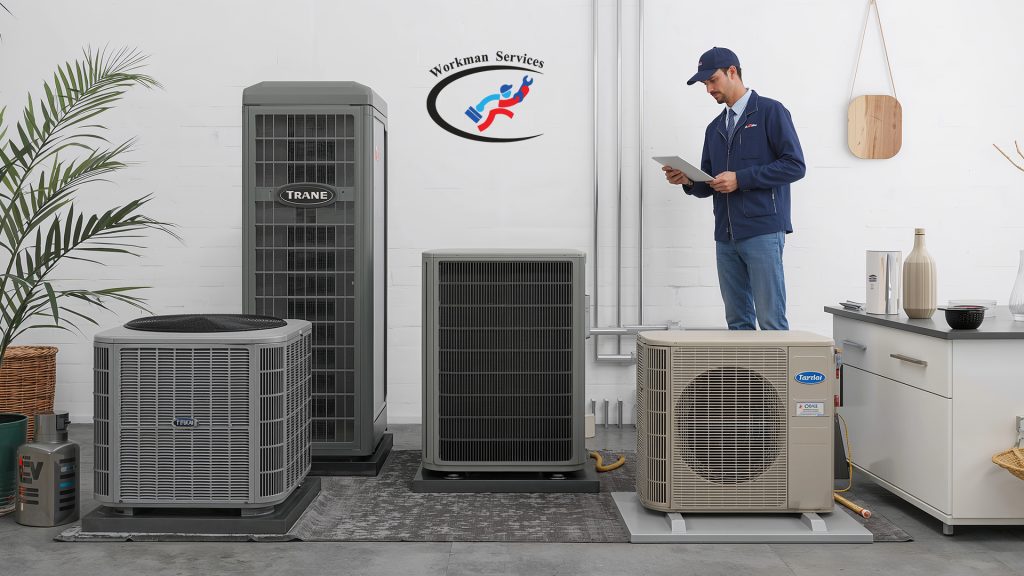
Your Guide to Top HVAC Systems and Expert Installation Choosing a new heating, ventilation, and air conditioning (HVAC) system is a major decision for any property owner. Your choice affects everything from daily comfort and indoor air quality to long-term energy expenses. With leading brands like Trane, Carrier, and Euro Klimate all offering advanced solutions, navigating the options can be complex. This comprehensive guide will explore the features and benefits of these top-tier brands and underscore the critical importance of professional installation and service. The right HVAC unit can transform your living or working space, but its performance is only as good as its installation. This is why selecting a premier service provider like workmanservices.com.pk is the most crucial step in your investment. A superior Trane HVAC product, a high-efficiency Carrier unit, or a robust Euro Klimate system all require expert handling to deliver their promised benefits. Let’s delve into what makes these brands stand out and how to ensure you get the most out of your new system. The Pillars of a Modern HVAC System: Efficiency, Air Quality, and Comfort Before comparing brands, it’s essential to understand what a modern HVAC system offers. Today’s units go far beyond simple temperature control, providing a suite of benefits that enhance your quality of life and reduce operational costs. Energy Efficiency: A primary advantage of upgrading is the dramatic improvement in energy efficiency. Measured by SEER (Seasonal Energy Efficiency Ratio) for cooling and AFUE (Annual Fuel Utilization Efficiency) for heating, new systems consume significantly less power than their predecessors. This efficiency leads to substantial savings on your monthly utility bills, making a new HVAC system a financially sound investment that pays for itself over time. Improved Indoor Air Quality (IAQ): Modern HVAC systems are equipped with advanced filtration technologies that capture dust, pollen, pet dander, and other allergens. This creates a healthier indoor environment, which is especially important for households with allergy sufferers or individuals with respiratory conditions. Some premium models even feature UV-C lamps that neutralize airborne viruses and bacteria. Unmatched Comfort and Control: The latest HVAC innovations provide quiet, consistent comfort. Features like variable-speed motors and multi-stage compressors allow the system to make precise, subtle adjustments to maintain the desired temperature without the loud, disruptive cycles of older units. Paired with smart thermostats, you gain granular control over your home’s climate from anywhere. Deep Dive: Trane, Carrier, and Euro Klimate While many brands compete in the HVAC space, a few have distinguished themselves through superior engineering and reliability. The choice between them often comes down to specific needs and priorities. Trane: A Legacy of Durability Trane has earned a formidable reputation for building some of the most durable and reliable systems on the market. When customers search for the best Trane residential HVAC system, they are often looking for a long-term solution that can withstand harsh weather and years of continuous use. A key feature of any premium Trane HVAC product is its robust construction, from the proprietary Spine Fin™ coil that resists corrosion to the legendary Climatuff® compressor. This focus on durability means that with proper maintenance, a Trane system can provide decades of reliable service. For homeowners who prioritize longevity and a “built-to-last” philosophy, Trane is an exceptional choice. A certified HVAC workman will often recommend Trane for its proven track record and engineering excellence. Carrier: The Forefront of Innovation As the inventor of modern air conditioning, Carrier continues to lead the industry in innovation. Carrier systems are celebrated for their exceptional energy efficiency, whisper-quiet operation, and integration of smart technologies. Their Infinity® series, for example, offers unparalleled control over temperature, humidity, and air quality when paired with its smart thermostat. If your goal is to minimize your carbon footprint and maximize energy savings, Carrier provides some of the highest SEER-rated units available. The brand offers a diverse range of models to fit various budgets without compromising on quality. For those who value cutting-edge features and quiet performance, Carrier is a compelling option. Euro Klimate: Powerful Commercial Solutions While Trane and Carrier dominate the residential market, Euro Klimate has carved out a niche as a leader in commercial and industrial HVAC solutions. These systems are designed to handle the demands of large spaces like office buildings, retail centers, and manufacturing facilities. Euro Klimate specializes in scalable, modular systems, including Variable Refrigerant Flow (VRF) technology, which allows for independent climate control in different zones of a building. This level of customization is essential for commercial properties with varying occupancy and usage patterns. For businesses looking for efficient and robust climate control, Euro Klimate offers powerful solutions. However, these complex systems require specialized knowledge, making it vital to secure expert Euro Klimate maintenance services to ensure they operate at peak efficiency. Making the Right Choice for Your Home For residential customers, the decision often comes down to finding the best Trane residential HVAC system for their needs or opting for a high-efficiency Carrier unit. Both are excellent choices. A high-quality Trane HVAC product is known for its durability, while a Carrier system is praised for its innovative features. To make an informed decision, consider what matters most to you. Is it rock-solid reliability for the next 20 years? Or is it accessing the latest smart features for ultimate control and efficiency? Consulting with an expert who can perform a detailed analysis of your home is the best way to determine which brand and model will serve you best. This is where a certified HVAC workman becomes your most valuable asset. The Critical Role of a Certified HVAC Workman You can invest in the best Trane residential HVAC system on the market, but its performance will be disappointing if it’s not installed correctly. The installation quality is arguably more important than the brand itself. An improper installation can lead to reduced efficiency, frequent breakdowns, poor air quality, and a significantly shorter lifespan for your unit. This is why choosing your installation partner is the most critical decision in the entire