
Best Chiller Options for Commercial Cooling Systems
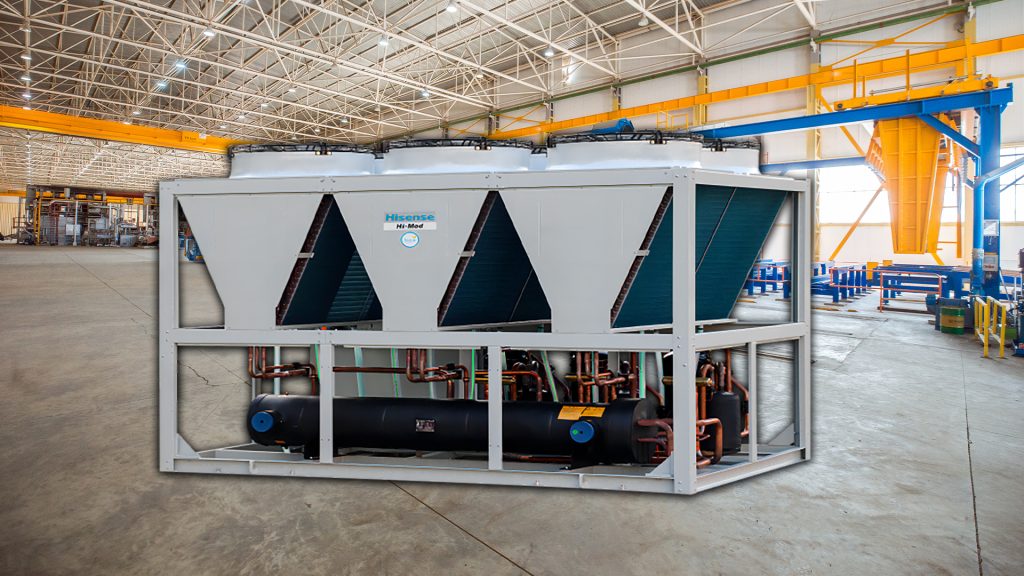
Best Chiller Options for Commercial Cooling Systems Businesses and large facilities require powerful temperature control. A standard split unit simply cannot handle massive indoor spaces. You need robust machinery to keep the environment comfortable and safe for occupants. We will explain how these massive cooling systems operate, their primary benefits, and proper maintenance protocols. You will also learn why Workman Services stands out as the premier provider for all your commercial HVAC needs. What is a Centralized Cooling Plant? A chiller AC is a specialized centralized system designed to remove heat from a liquid via a vapor-compression or absorption refrigeration cycle. This cooled liquid then circulates through complex piping networks to cool the air inside a large building. Instead of pushing cold air through extensive ductwork from one single point, the system pumps cold water to specific air handling units located throughout the facility. The Core Mechanics of Heat Exchange How exactly does a chiller air conditioner function on a daily basis? It relies on a continuous, closed-loop cycle of absorbing thermal energy from an internal space and expelling that heat outdoors. The equipment uses a specialized refrigerant gas to facilitate this rapid heat transfer. When you install an aircon chiller, you get a highly efficient mechanism that dramatically lowers water temperature. This freezing water flows directly to air handling units or fan coil units. Fans then blow ambient indoor air over these freezing coils, instantly dropping the room temperature before recirculating the freshly cooled air back into the workspace. Key Benefits of Installing a Heavy-Duty System Cost savings stand out as a major advantage for commercial property managers. Operating a massive chiller aircon reduces overall energy consumption compared to running dozens of individual wall-mounted units. Exceptional Energy Efficiency: Modern centralized units consume significantly less power per square foot of cooling. They utilize variable speed drives that adjust energy usage based on real-time demand. Long-Lasting Durability: Heavy-duty commercial cooling hardware lasts for decades. With proper professional care, these robust machines outperform standard residential units by years. Space Saving Design: Centralized equipment frees up valuable indoor real estate. The primary machinery sits on the roof or in a dedicated basement mechanical room. Water-Cooled vs Air-Cooled Chillers: Which is Best? When choosing the best chiller options for your facility, it’s important to weigh the advantages of both water-cooled and air-cooled chillers. Each type offers unique benefits depending on your application, space, and maintenance expectations. Water-cooled chillers are known for their exceptional efficiency and high-capacity cooling, making them the top choice for large industrial complexes, shopping malls, and facilities where cooling demand is significant and consistent. They use water from cooling towers, which allows for efficient heat removal and optimal performance even during the hottest months. With proper water treatment and regular maintenance, water-cooled chillers deliver long-term reliability and energy savings. Air-cooled chillers, on the other hand, provide a more flexible and straightforward solution, especially for medium-sized commercial buildings and offices. These systems use ambient outdoor air to dissipate heat, which means you won’t need a dedicated water source or cooling tower. Air-cooled chillers typically require less upfront infrastructure and are easier to install and maintain, making them ideal for facilities with space constraints or where water conservation is a priority. Your choice between a water-cooled or air-cooled system should consider the building’s size, environmental conditions, available resources, and your long-term energy goals. Both options represent the best in modern commercial cooling technology, ensuring efficiency, reliability, and comfort tailored to your unique needs. System Type Cooling Medium Best Application Energy Efficiency Maintenance Needs Water-Cooled Water via cooling towers Large industrial plants and huge malls Extremely High Requires regular tower cleaning and water treatment Air-Cooled Ambient Outdoor Air Medium commercial buildings and offices High Lower than water-based units; simple coil cleaning Absorption Heat Source (Steam/Gas) Facilities with excess industrial waste heat Very High Specialized upkeep and unique engineering required When evaluating your property’s options, remember that a water-cooled chiller AC generally offers better overall efficiency for massive architectural complexes. However, an air-cooled chiller air conditioner requires far less supporting infrastructure because it completely eliminates the need for a rooftop cooling tower. Why Choose Workman Services for Your HVAC Needs? Finding the right installation partner matters just as much as buying the actual equipment. Workman Services operates as the ultimate destination for purchasing and maintaining these complex thermal systems. Established in 2006, the company boasts over 18 years of specialized, hands-on experience in advanced mechanical services and fire fighting solutions. Whether you need a brand new aircon chiller for a sprawling hospital campus or a high-end retail center, Workman Services delivers unmatched engineering quality. We partner exclusively with top-tier international brands to guarantee peak performance. Our certified technicians handle absolutely everything, from the initial architectural design phase to final system commissioning. If you want a perfectly calibrated chiller aircon, our dedicated team provides tailored, site-specific solutions that match your exact engineering specifications. The Professional Installation Process Proper installation heavily dictates the eventual lifespan of your commercial cooling hardware. The process always begins with a comprehensive, on-site structural assessment. Mechanical engineers calculate the exact thermal load required to keep the building completely comfortable during peak summer months. After selecting the perfect chiller, the installation team mounts the heavy machinery using specialized cranes. They carefully connect the intricate piping networks, weld the joints, and seamlessly integrate the digital electrical controls. Testing forms a highly critical part of the setup. Technicians run multiple diagnostic tests to ensure the new chiller AC operates at peak capacity without any hidden refrigerant leaks or water flow restrictions. Comprehensive Maintenance and Upkeep Regular preventative maintenance prevents catastrophic and costly breakdowns. Facility managers must schedule strict, periodic inspections for every chiller air conditioner on the property. Professional technicians will routinely check volatile refrigerant levels, chemically clean the condenser tubes, and verify all digital sensor accuracy. A neglected, poorly maintained aircon chiller consumes excess municipal electricity and utterly fails to cool the building effectively. Preventative care saves money and dramatically extends the equipment’s
The Complete Guide to Advanced Climate Control for Modern Buildings
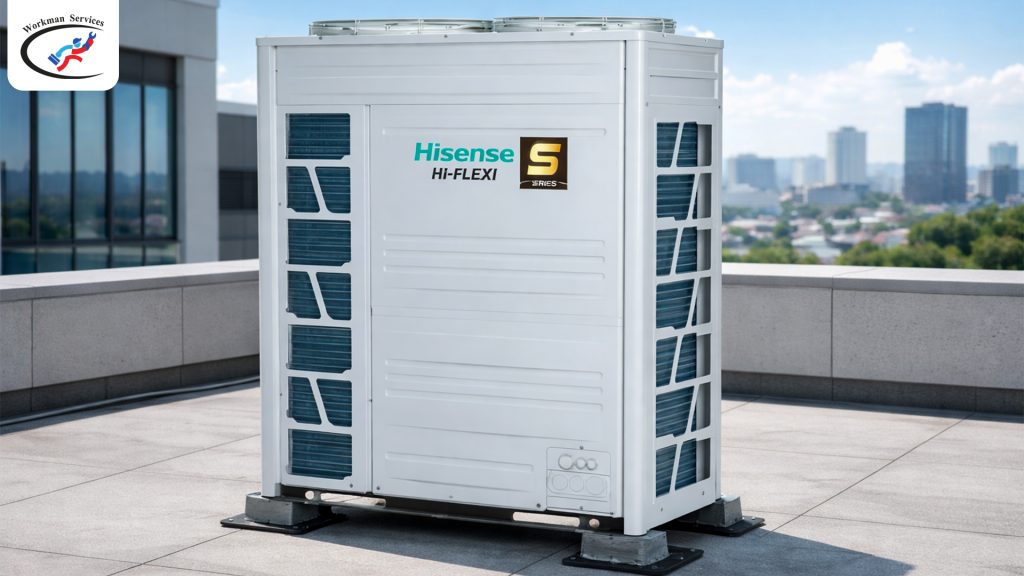
The Complete Guide to Advanced Climate Control for Modern Buildings In the sweltering heat of Lahore or the arid climate of Abu Dhabi, reliable air conditioning isn’t just a luxury—it’s a survival necessity. Traditional cooling methods often struggle to balance comfort with energy bills. If you manage a large commercial space, a hospital, or a luxury villa, you might notice that standard split units just don’t cut it, and massive central systems can be overkill for partial usage. This is where advanced climate technology steps in. Specifically, we are talking about the technology that has revolutionized energy efficiency in modern construction. At Workman Services, we have spent over 18 years mastering the art of cooling, and we believe the future of comfortable living lies in intelligent air distribution. What is a VRF System? Variable Refrigerant Flow technology is a sophisticated method of air conditioning that circulates only the minimum amount of refrigerant needed during a single heating or cooling period. This mechanism allows you to individually control several air conditioning zones at one time. Unlike conventional systems that simply turn on and off completely, these systems feature inverter compressors that can operate at varying speeds. This means the system works only as hard as needed to maintain the desired temperature, resulting in substantial energy savings. For building owners, this technology offers a modular design. You can connect multiple indoor units to a single outdoor unit. This reduces the footprint on your roof or ground level while maximizing the cooling potential inside. How It Works The magic lies in the name: Variable Refrigerant Flow. The system controls the amount of refrigerant flowing to the multiple evaporators (indoor units), enabling the use of many evaporators of differing capacities and configurations connected to a single condensing unit. This arrangement provides an individualized comfort level, and simultaneous heating and cooling in different zones. Why Choose a VRF System HVAC Setup? When you install a vrf system hvac solution, you are investing in precision. Here is why architects and engineers across Pakistan and the UAE are shifting towards this technology. 1. Superior Energy Efficiency Energy costs in commercial buildings can be astronomical. A standard VRF ac setup minimizes ductwork energy losses, which are estimated to account for 30% of energy consumption in central air conditioning. Because the system varies its speed rather than stopping and starting, it consumes much less electricity. 2. Zoning Capabilities Imagine a large office building. The conference room is packed with people and needs heavy cooling. The executive office is empty. The server room needs constant cold air. A vrf system hvac installation handles all these needs simultaneously. You don’t waste money cooling empty rooms, and every occupant controls their own environment. 3. Quiet Operation The noisy compressor unit is located outside, often far away from the occupied spaces. The indoor units are designed to be whisper-quiet, making them perfect for environments like hospitals and luxury apartments where silence is golden. 4. Aesthetic Flexibility Whether you prefer sleek wall-mounted units, concealed ducted units, or ceiling cassettes, the hardware is versatile. It blends seamlessly into the interior design without the bulky ductwork required by older systems. Comparing Cooling Giants: VRF vs. Chiller A common dilemma for facility managers is choosing between a Chiller system and a VRF setup. Both are powerful, but they serve different needs. A Chiller uses water to transport heat, while VRF uses refrigerant. Here is a breakdown to help you decide which is right for your project. Feature VRF System Chiller System Cooling Medium Refrigerant Water Energy Efficiency High (Inverter technology) Moderate to High (depends on load) Space Requirement Compact outdoor units Requires large plant room/roof space Installation Complexity Moderate (Refrigerant piping) High (Pumps, towers, piping) Maintenance Minimal routine checks Requires specialized, frequent maintenance Best For Offices, Hotels, Luxury Homes Mega-malls, Large Industrial Plants Zoning Control Excellent (Room by room) Good (Zone by zone) If you are running a massive industrial plant, a Chiller might still be the standard. However, for most commercial buildings, high-end residences, and mixed-use developments, the flexibility of Variable Refrigerant Flow technology often wins. Workman Services: Your Cooling Partners At Workman Services, we don’t just sell boxes; we design comfort. Established in 2006, we have grown from a local service provider to a multinational expert in HVAC and fire safety. We understand that installing a VRF ac is a significant investment. That is why our process involves detailed planning and coordination. Our Expertise We specialize in: Design & Planning: We calculate the exact thermal load of your building to recommend the right system size. Installation: Our certified technicians ensure piping is leak-proof and insulation is perfect. Maintenance: We offer comprehensive after-sales support to keep your system running for decades. Where We Operate Our footprint spans key regions where climate control is critical: Lahore: M1 Bara Tower, 36 Queens Road Abid Market. Rawalpindi: Satellite Town. Faisalabad: Muhammad Nagar Satiana Road. UAE: Musaffah M-26, Abu Dhabi. Whether you are looking for a Chiller for a factory or a vrf system hvac for a boutique hotel, our 300+ satisfied clients and 25 years of industry experience speak for themselves. Installation and Maintenance Best Practices Getting the most out of your Variable Refrigerant Flow system requires professional handling. Precise Installation The refrigerant piping network is the lifeline of the system. Unlike water pipes, refrigerant lines must be installed with extreme precision to handle high pressures. Workman Services employs technicians who are specifically trained in these complex installations. Poor installation can lead to refrigerant leaks, which destroys efficiency and harms the environment. Regular Maintenance While these systems are robust, they are not maintenance-free. To ensure longevity: Clean Filters: Clogged filters restrict airflow and strain the system. Check Refrigerant Levels: Low levels indicate leaks and reduce cooling power. Inspect Electrical Connections: Inverter boards are sensitive and need tight, clean connections. The Future of Cooling is Smart As we move toward smarter cities and greener buildings, the adaptability of the VRF platform becomes even more valuable. These systems can now