The Ultimate Guide to HVAC Ducting: Benefits and Requirements
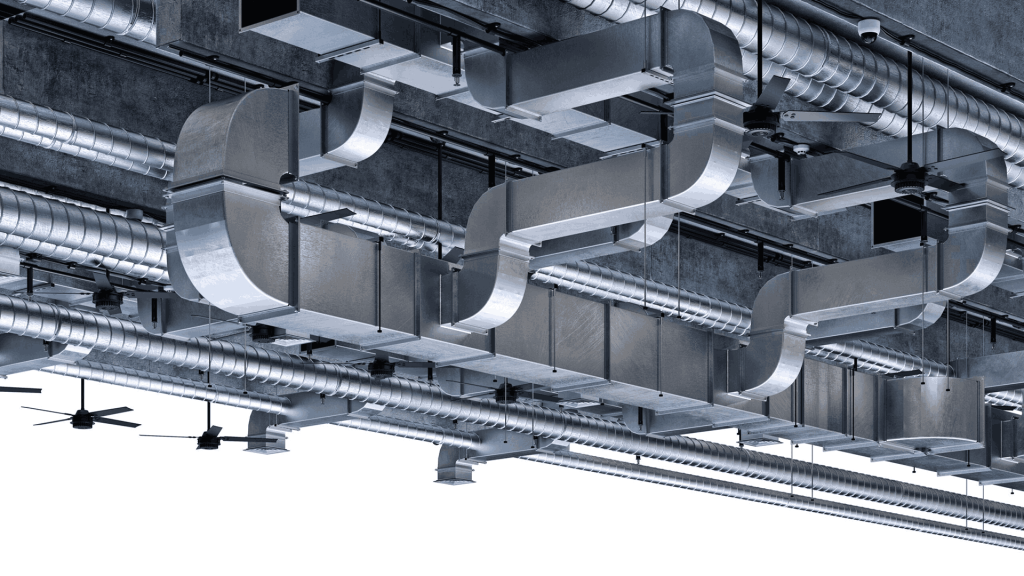
The Ultimate Guide to HVAC Ducting: Benefits and Requirements Your heating, ventilation, and air conditioning (HVAC) system is the circulatory system of your building. It pumps conditioned air throughout every room, ensuring comfort and maintaining a healthy indoor environment. At the core of this system is the ductwork—a network of channels that delivers warm or cool air exactly where it’s needed. While often hidden behind walls and ceilings, the design and condition of your ducting have a massive impact on your system’s efficiency, your energy bills, and the quality of the air you breathe. Understanding the fundamentals of HVAC ducting is crucial for any property owner, whether for a home or a large commercial facility. This guide will explore the essential HVAC ducting benefits, outline key installation and maintenance requirements, and explain how professional services can optimize your entire system. From improved air quality to significant cost savings, a well-designed duct network is an investment that pays dividends for years to come. Unlocking Peak Performance: The Core HVAC Ducting Benefits A properly designed and installed duct system does more than just move air; it enhances the overall performance and efficiency of your HVAC unit. Many people underestimate how much their ductwork contributes to their comfort and operational costs. Let’s delve into the primary HVAC ducting benefits you can expect from a professional setup. 1. Enhanced Energy Efficiency and Lower Utility Bills Leaky, poorly insulated, or improperly sized ducts are a major source of energy waste. According to industry estimates, the typical home or commercial building can lose 20% to 30% of the air that moves through the duct system due to leaks, holes, and poor connections. This forces your HVAC system to work harder and run longer to achieve the desired temperature, leading to inflated energy bills. A professionally installed and sealed duct system ensures that nearly all the conditioned air reaches its destination. This efficiency means your furnace or air conditioner can heat or cool your space more quickly, reducing its runtime and slashing your energy consumption. The long-term savings on utility costs are one of the most significant HVAC ducting benefits. 2. Consistent and Even Temperature Distribution Have you ever noticed that some rooms in your building are always too hot while others are too cold? This common problem is often caused by flawed ductwork. Imbalances can result from ducts that are too long, have too many bends, are incorrectly sized, or have leaks that prevent adequate airflow from reaching certain areas. A well-designed duct system is engineered to deliver a balanced volume of air to every room. This ensures consistent temperatures throughout your property, eliminating hot and cold spots and creating a more comfortable environment for everyone. This level of comfort is a key reason to invest in quality ductwork, whether for a new build or as part of a system upgrade. For large-scale projects, expert commercial HVAC installation ensures this consistency across vast spaces. 3. Improved Indoor Air Quality Your ductwork doesn’t just transport air; it can also be a collection point for dust, pollen, pet dander, mold, and other contaminants. Over time, these pollutants can accumulate inside the ducts and get circulated throughout your building every time the HVAC system runs. This can aggravate allergies, asthma, and other respiratory conditions. Properly sealed ducts prevent outdoor pollutants and contaminants from attics or crawl spaces from being pulled into the airflow. Furthermore, a clean and well-maintained system, supported by regular duct cleaning services, ensures that the air you breathe is fresh and healthy. This is a critical factor for both homes and businesses, where employee health and productivity are paramount. Understanding HVAC Ducting Requirements for Optimal Functionality Achieving the benefits listed above depends on meeting specific design and installation standards. Fulfilling the necessary HVAC ducting requirements is not a task for amateurs. It demands technical expertise and a deep understanding of airflow dynamics, building codes, and material science. 1. Proper Sizing and Design Duct sizing is a science. Ducts that are too small can restrict airflow, causing the system’s blower motor to work overtime and increasing pressure, which can lead to noise and equipment strain. On the other hand, ducts that are too large can cause the air to move too slowly, leading to poor distribution and temperature inconsistencies. Professionals use a “Manual D” calculation, an industry standard protocol, to determine the optimal size and layout for your ductwork based on the size of your property, the capacity of your HVAC unit, window placement, insulation levels, and local climate. This ensures the system is tailored perfectly to your building’s unique needs, a critical step in any quality commercial HVAC installation. 2. Secure Sealing and Insulation Every joint and seam in your ductwork is a potential point for air leakage. To prevent this, all connections must be meticulously sealed using mastic sealant or specialized foil tape. This simple step can dramatically improve efficiency and is a fundamental part of the HVAC ducting requirements. Insulation is another crucial component, especially for ducts that run through unconditioned spaces like attics, basements, or garages. Without insulation, the conditioned air inside the ducts can lose its heat or coolness to the surrounding environment before it ever reaches the vents. This “thermal loss” forces your system to compensate, wasting energy. Proper insulation keeps the air at its intended temperature, maximizing efficiency and savings. 3. Strategic Layout and Material Selection The layout of your ductwork should be as direct as possible, with minimal bends and turns. Each bend adds resistance, reducing airflow and efficiency. The choice of materials also matters. While flexible ducts are easier to install in tight spaces, they can be more prone to kinks and damage. Rigid ducts, made from sheet metal or fiberglass duct board, offer better durability and smoother airflow, making them ideal for main trunk lines. An expert in HVAC services in Pakistan can recommend the best materials for your specific environment and budget. The Role of Professional HVAC Services in Pakistan To truly capitalize on the