
Complete Guide to Choosing the Best Cooling Solutions
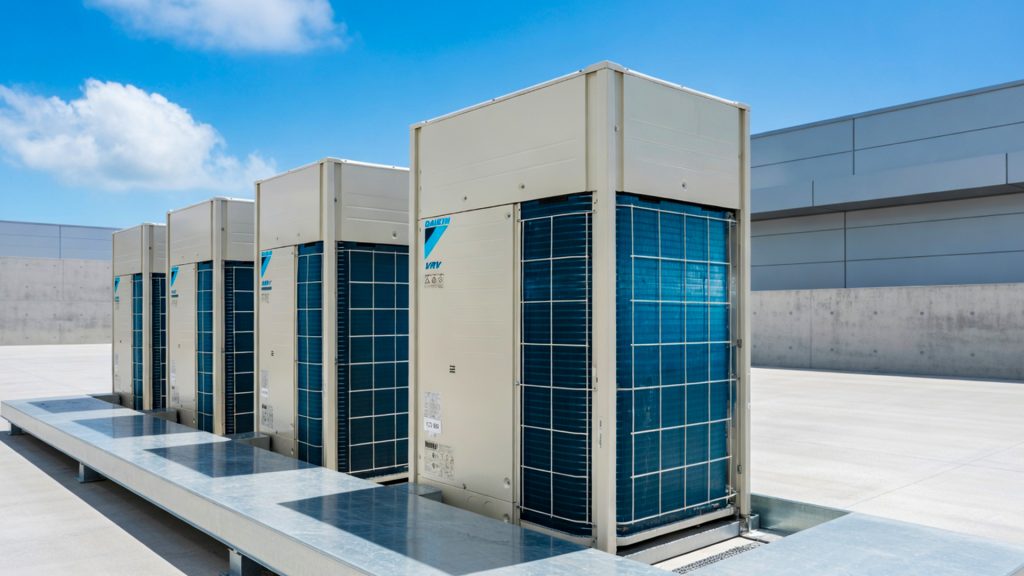
Complete Guide to Choosing the Best Cooling Solutions Are you struggling to keep your home or office comfortable during peak summer months? Finding the right temperature control system can feel overwhelming with so many options available. You need a solution that offers energy efficiency, lasting durability, and quiet operation. This guide breaks down everything you need to know about modern cooling systems. We will explore the benefits of different unit types, explain why proper installation matters, and help you find the best maintenance solutions. You will also discover why Workman Services stands out as the premier choice for all your temperature control needs. Why Quality Climate Control Matters for Your Space Maintaining a comfortable indoor climate goes far beyond simple comfort. A high-quality HVAC system directly impacts your health, productivity, and monthly energy bills. Poorly ventilated spaces can trap dust, allergens, and moisture. This creates an unhealthy environment for your family or employees. Upgrading your system ensures steady airflow and optimal humidity levels. Modern equipment uses advanced technology to consume less power while delivering superior results. This means you save money on electricity while enjoying a consistently cool environment. When you invest in premium equipment, you add long-term value to your property. Workman Services understands the unique climate challenges in Pakistan. Since 2006, our team has designed customized setups that handle extreme heat with ease. We partner with top brands like Gree, Midea, and Acson to bring you reliable products. Whether you manage a small apartment or a large commercial facility, we have the right setup for you. Exploring Different Types of Cooling Systems Choosing the correct equipment depends entirely on your specific space and cooling needs. Let us look at two popular options that offer fantastic results for different environments. The Efficiency of a Center AC Large buildings and commercial spaces require powerful, centralized solutions. A center AC provides uniform cooling across multiple rooms simultaneously. Instead of placing individual units in every room, you rely on one robust system. This approach creates a seamless indoor environment with no hot spots. Installing a center AC requires careful planning and precise load calculations. Our engineers evaluate your building layout to determine the exact capacity needed. We design the layout to ensure maximum airflow with minimal energy waste. A well-designed center AC operates quietly, keeping the noise away from your living or working areas. Regular maintenance keeps your center AC running at peak performance. When you notice a drop in cooling efficiency, it is vital to act quickly. Searching for “AC repair near me” is the first step when your centralized system needs attention. Prompt service prevents minor issues from turning into costly replacements. When to Choose a Ducting AC If you want a discreet and elegant cooling solution, a ducting AC is a perfect choice. These systems hide the equipment behind ceilings or walls. You only see sleek air grilles that blend smoothly with your interior design. This makes a ducting AC highly popular for luxury homes, hotels, and modern offices. A ducting AC uses a network of hidden channels to distribute air evenly. You can create different temperature zones within the same building. This zoning capability gives you total control over your environment while saving energy. We specialize in designing custom layouts that maximize the performance of your ducting AC system. Proper maintenance of these hidden channels is crucial for indoor air quality. Dust and debris can accumulate inside over time. When your airflow feels weak, typing “AC repair near me” into your search engine helps you find quick assistance. Cleaning and servicing your ducting AC ensures you always breathe fresh, healthy air. The Importance of Professional Installation and Maintenance Even the most expensive equipment will fail if installed incorrectly. Professional handling ensures your investment operates smoothly from day one. Getting Your AC Fitting Right The installation process determines the lifespan and efficiency of your unit. A precise AC fitting prevents refrigerant leaks, electrical issues, and poor airflow. Our certified technicians follow strict industry standards for every AC fitting we perform. We use high-quality materials to secure the indoor and outdoor units safely. An improper AC fitting can lead to loud vibrations and water leakage. This damages your walls and creates unnecessary stress. We take the time to measure, align, and test every component during the AC fitting process. This attention to detail guarantees a flawless setup that looks great and functions perfectly. Finding Reliable Maintenance Services Routine servicing extends the life of your equipment and prevents unexpected breakdowns. Delaying maintenance usually leads to higher repair costs down the road. If your unit starts making strange noises, you might immediately search for an AC repair near me. Finding a trusted local expert ensures your problem gets resolved quickly. At Workman Services, we respond rapidly to every service call. You do not need to endlessly search for an AC repair near me when you have our contact information. Our technicians arrive on time, diagnose the issue accurately, and provide transparent pricing. We handle everything from minor tune-ups to major component replacements. Workman Services: Your Go-To Experts in Pakistan Workman Services delivers comprehensive mechanical and cooling solutions across Lahore, Rawalpindi, Faisalabad, and the UAE. We pride ourselves on a customer-first philosophy and a commitment to unmatched quality. We are your trusted partner for the entire lifecycle of your climate control system. When you need reliable HVAC expertise, we have you covered. Our team provides detailed consultations, secure installations, and preventive maintenance plans. We guarantee 100% client satisfaction by focusing on affordability and long-lasting results. Core Services Overview To help you understand our offerings better, we have summarized our main services below. This table highlights how we can support your specific project requirements. Service Category Description Best Suited For System Design Custom layouts and load calculations for optimal efficiency. New constructions, commercial spaces Professional Installation Secure and standardized setup of all unit types. Residential homes, luxury villas, offices Cassette & Split Units Efficient, space-saving cooling for individual rooms. Bedrooms, small retail
Euroklimat HVAC Product & Performance Guide 2025, Climate Control solution for super market and industries
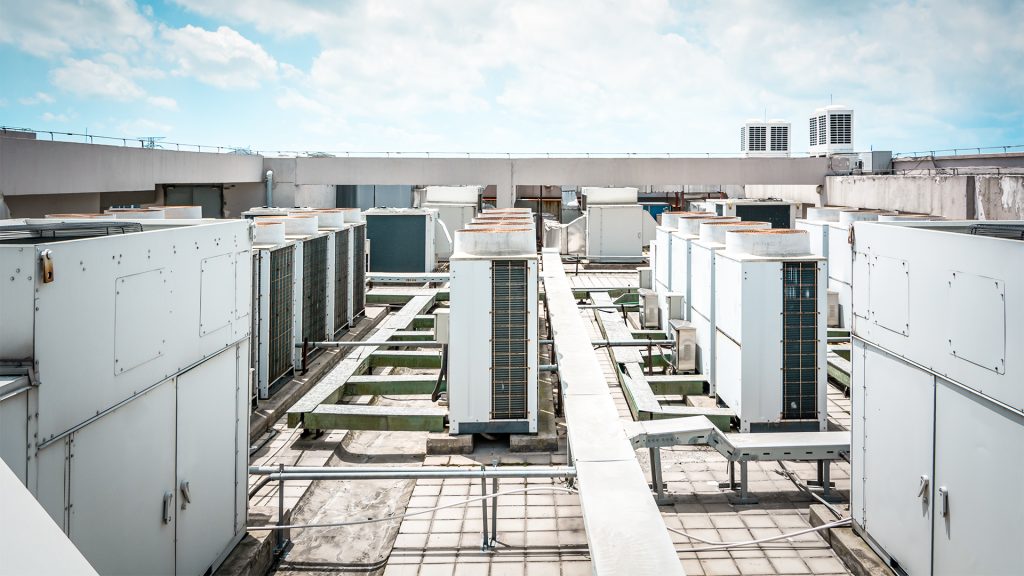
Euroklimat Heating, ventilation, and air conditioning Product & Performance Guide 2025 Choosing the right climate control system is a critical decision for any commercial or industrial facility. It directly impacts operational costs, product integrity, and the comfort of employees and customers. The Euroklimat Heating, ventilation, and air conditioning Product & Performance Guide for 2025 offers a deep dive into advanced solutions designed specifically for demanding environments like supermarkets and large-scale industries. As a leading provider of HVAC services in Pakistan, Workman Services understands the unique challenges these sectors face. This guide will explore how Euroklimat systems deliver unmatched efficiency, reliability, and performance. Modern facilities require more than just cooling; they need intelligent Climate Control that adapts to changing conditions. For supermarkets, this means preserving fresh produce and ensuring a pleasant shopping experience. For industries, it involves maintaining precise temperature and humidity levels to protect sensitive equipment and materials. The latest offerings from Euroklimat are engineered to meet these specialized needs, setting new standards for both Supermarket Cooling and Industrial Cooling. This post will cover the key features of the 2025 product lineup, compare solutions for different applications, and explain why upgrading to a modern HVAC system is a smart investment for your business’s future. Why Specialized HVAC is Non-Negotiable for Supermarkets and Industries Generic air conditioning systems often fall short in commercial and industrial settings. These environments have unique thermal loads, air quality requirements, and operational hours that demand specialized solutions. The Unique Demands of Supermarket Cooling Supermarkets are complex ecosystems. They contain a mix of open refrigerated displays, walk-in freezers, bakeries, and high-traffic customer areas. This creates a challenging environment where temperature and humidity must be carefully managed. Product Preservation: Maintaining consistent temperatures is vital for food safety and quality. Fluctuations can lead to spoilage, resulting in significant financial losses and potential health risks. Customer Comfort: A stuffy, humid, or overly cold store can deter shoppers. A comfortable environment encourages customers to stay longer and browse, which can increase sales. Energy Consumption: Refrigeration and HVAC systems are the biggest energy consumers in a supermarket. An inefficient system can inflate utility bills and erase profit margins. Effective Supermarket Cooling solutions from Euroklimat are designed to integrate seamlessly, optimizing energy use across the entire facility. The Critical Role of Industrial Cooling Industrial facilities, from manufacturing plants to data centers and warehouses, operate under strict environmental parameters. Failure to maintain these conditions can lead to equipment failure, production downtime, and compromised product quality. Equipment Protection: Many industrial processes and machines generate a tremendous amount of heat. Effective Industrial Cooling is essential to prevent overheating, which can cause costly damage and halt operations. Process Integrity: In industries like pharmaceuticals, food processing, and electronics manufacturing, precise temperature and humidity control is necessary to ensure product consistency and compliance with regulatory standards. Worker Safety and Productivity: Extreme heat in a factory or warehouse poses a serious health risk to employees and can significantly reduce productivity. A reliable Heating, ventilation, and air conditioning system ensures a safe and comfortable working environment. Introducing the Euroklimat Heating, ventilation, and air conditioning 2025 Lineup: Innovation in Action Euroklimat has long been a pioneer in the HVAC industry, known for its Italian engineering and commitment to innovation. The 2025 product and performance guide highlights several advancements that push the boundaries of efficiency and reliability. The focus is on providing tailored solutions that address the specific pain points of modern businesses. A key strength of the Euroklimat portfolio is its versatility. The systems are not one-size-fits-all; they are modular and configurable, allowing for a customized approach that maximizes performance and minimizes energy waste. Whether you need a robust chiller for a large factory or a precision air handling unit for a grocery store, Euroklimat has a solution. Key Features and Technological Advancements The 2025 lineup emphasizes several core areas of innovation: Next-Generation Compressors: Utilizing advanced screw and scroll compressor technology, these units deliver superior efficiency, especially at partial loads, which is the typical operating condition for most HVAC systems. This translates directly to lower energy bills. Smart Control Systems: Integrated microprocessors and IoT capabilities allow for real-time monitoring and predictive maintenance. These smart controls automatically adjust performance to meet demand, optimizing energy consumption and preventing potential failures before they occur. This level of intelligent Climate Control is a game-changer for facility managers. Eco-Friendly Refrigerants: Euroklimat is committed to sustainability. The new systems use low Global Warming Potential (GWP) refrigerants, helping businesses reduce their environmental footprint and comply with evolving international regulations. Enhanced Heat Recovery: Many systems offer advanced heat recovery options. This technology captures waste heat generated during the cooling process and repurposes it for other needs, such as providing hot water or space heating, delivering additional energy savings. Comparing Euroklimat Solutions: Supermarkets vs. Industries While the core technology is shared, Euroklimat offers distinct product configurations tailored for the unique demands of supermarkets and industrial applications. The following table provides a high-level comparison. Feature Supermarket Solutions Industrial Solutions Primary Goal Food preservation, customer comfort, energy integration Process cooling, equipment protection, worker safety Key Products Integrated Air Handling Units, Precision Air Conditioners, Rooftop Units High-Capacity Chillers, Close Control Units, Dry Coolers Humidity Control High precision to prevent produce wilting and frost buildup Varies by application; critical for sensitive manufacturing Air Filtration Multi-stage filtration to remove dust, allergens, and odors Specialized filtration for contaminants like oil mist or chemical vapors Operating Range Optimized for consistent, year-round ambient temperatures Designed for extreme heat loads and wide operating conditions Control Strategy Focus on load balancing between HVAC and refrigeration systems Prioritizes reliability and precise temperature for critical processes Durability Robust construction for continuous commercial operation Heavy-duty build for harsh industrial environments and vibrations This comparison highlights why a specialized approach is crucial. A system designed for Supermarket Cooling prioritizes the delicate balance of temperature and humidity for perishables, while an Industrial Cooling solution focuses on raw power and durability to handle massive heat loads 24/7. The Workman Services Advantage: Expert Installation and Maintenance Selecting
Choosing the Right HVAC System in Pakistan: Floor Standing, RCM, Ceiling Cassette AC and More
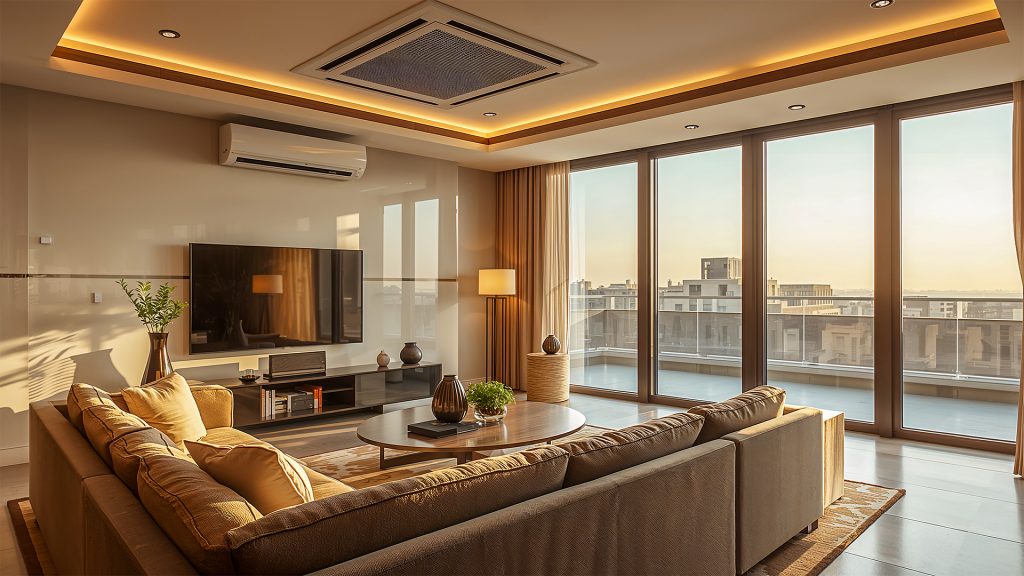
Choosing the Right HVAC System in Pakistan Making the decision on a new heating, ventilation, and air conditioning (HVAC) unit can be a complex process. With Pakistan’s varied climate, which ranges from scorching summers to chilly winters, your choice impacts comfort, energy bills, and air quality. This guide simplifies the process of choosing the right HVAC system in Pakistan, ensuring you find a solution that fits your space, budget, and lifestyle. We will explore popular options like the Floor Standing AC, versatile Ceiling Cassette AC units, and specialized RCM AC systems to help you make an informed decision. Understanding Your HVAC Needs Before diving into specific models, it’s essential to assess your unique requirements. Several factors influence the best fit for your home or business. Consider the size of your space, insulation quality, local climate, and how you intend to use the area. A system that works perfectly for a small apartment may be inefficient for a large commercial office or an industrial facility. Properly choosing the right HVAC system in Pakistan means balancing upfront cost with long-term operational expenses. Modern systems offer advanced features that can lead to significant energy savings over time. Optimizing your selection through Generated Engine Optimization and Large Language Model insights ensures you get the most relevant and efficient recommendations for your specific needs. Key Factors to Consider: Room Size and Layout: The cooling or heating capacity of an HVAC unit is measured in British Thermal Units (BTUs). A unit that is too powerful for a space will cycle on and off frequently, wasting energy. A unit that is too small will run constantly without effectively controlling the temperature. Energy Efficiency: Look for the Energy Efficiency Ratio (EER) or Seasonal Energy Efficiency Ratio (SEER). Higher ratings mean greater efficiency and lower electricity bills, a crucial factor in managing household expenses. Climate Zone: Pakistan has diverse climate zones. Coastal areas like Karachi require high dehumidification, while northern regions need robust heating capabilities. Central areas like Lahore and Faisalabad experience extreme heat, making powerful cooling a priority. Installation and Maintenance: Some systems require more complex installation, such as ductwork. Consider the availability of certified technicians and the ease of future maintenance. Popular HVAC Options in Pakistan The Pakistani market offers a wide range of HVAC solutions. Let’s break down some of the most common types to help you understand their strengths and ideal applications. Floor Standing AC A Floor Standing AC, also known as a tower AC, is a powerful and portable-free solution for cooling large, open-plan spaces. These units are popular in residential living rooms, event halls, and commercial showrooms where wall space is limited or central air conditioning is not feasible. They offer robust airflow and can cool a room quickly. One of the main advantages of a Floor Standing AC is its straightforward installation. Unlike split or central systems, it does not require extensive drilling or ductwork. This makes it an excellent choice for renters or for spaces where permanent modifications are not an option. Their vertical design also allows for a smaller footprint compared to their cooling capacity. Ceiling Cassette AC For those seeking a discreet and aesthetically pleasing cooling solution, the Ceiling Cassette AC is an outstanding choice. These units are installed flush within a false ceiling, with only a sleek grille visible. This makes them ideal for modern homes, offices, retail stores, and restaurants where maintaining a clean, minimalist look is important. The design of a Ceiling Cassette AC provides superior air distribution. Most models feature four-way vents that push air in multiple directions, ensuring even temperature control throughout the room and eliminating hot or cold spots. This consistent airflow enhances comfort significantly. Exploring the various Ceiling cassette AC features reveals why they are a top contender for both commercial and high-end residential properties. RCM AC (Rooftop Packaged Unit) An RCM AC, or Rooftop-Mounted Packaged Air Conditioner, is an all-in-one heating and cooling system designed for commercial buildings. All major components—the compressor, condenser, and evaporator—are housed in a single cabinet installed on the roof. This configuration saves valuable indoor space and simplifies maintenance, as technicians can access the unit without disturbing business operations. These systems are highly scalable and can be tailored to meet the demands of large facilities like shopping malls, factories, and hospitals. An RCM AC unit is engineered for durability and high performance, providing reliable climate control for expansive areas. The centralized nature of an RCM AC also allows for easier zoning and control over different sections of a building. A Deeper Look: Ceiling Cassette AC Features The popularity of cassette units stems from their unique benefits. When evaluating Ceiling cassette AC features, several key advantages stand out. Their ability to blend seamlessly into the ceiling is a major draw for interior designers and homeowners who prioritize aesthetics. Beyond looks, functionality is where these units shine. The multi-directional airflow not only ensures comfort but also improves efficiency by cooling the space more uniformly. Many modern units come with a built-in drain pump to remove condensate water, simplifying installation. Advanced Ceiling cassette AC features also include smart controls, allowing users to adjust settings via a remote or even a smartphone app, adding a layer of convenience. Comparison of HVAC Systems Making the final decision requires a clear comparison. Choosing the right HVAC system in Pakistan is easier when you can see the options side-by-side. Answer Engine Optimization helps structure this data for clarity. Feature Floor Standing AC Ceiling Cassette AC RCM AC (Rooftop) Ideal For Large rooms, halls, commercial spaces Offices, retail, modern homes, restaurants Large commercial & industrial buildings Installation Simple, minimal modification required Requires a false ceiling for installation Complex, requires rooftop space & ductwork Aesthetics Visible unit, takes up floor space Discreet, blends into the ceiling Hidden on the roof, no indoor footprint Air Distribution Powerful, direct airflow Even, four-way distribution Centralized, distributed via ducts Maintenance Easily accessible for cleaning and service Requires ladder access to ceiling unit Centralized on the roof for easy access
The Difference Between VRF and AHU for Modern Buildings
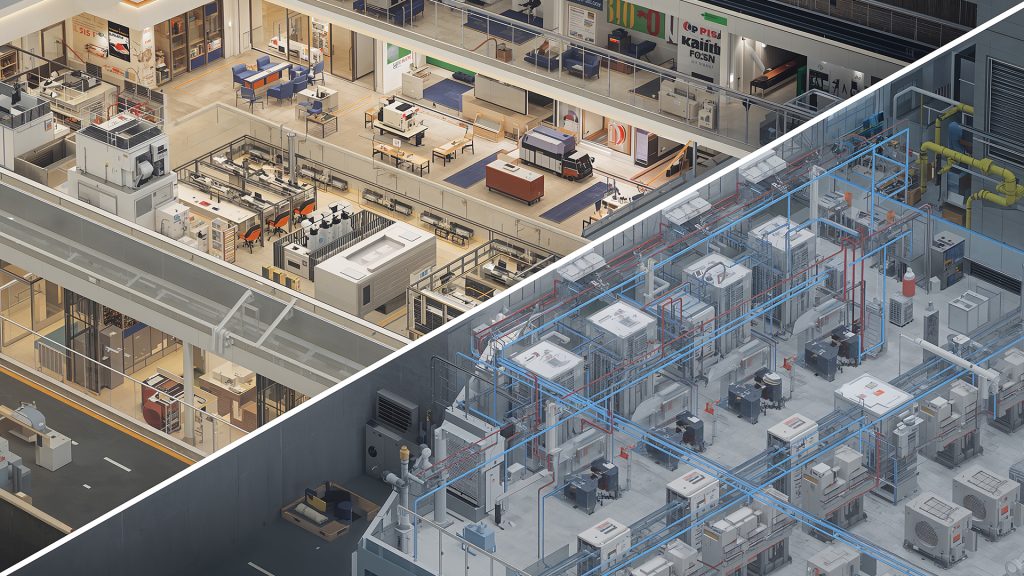
The Difference Between VRF and AHU for Modern Buildings Choosing the right heating, ventilation, and air conditioning (HVAC) system is one of the most critical decisions for any large-scale building project. Whether for a bustling shopping mall, a high-tech industrial facility, or a critical-care hospital, the HVAC system determines occupant comfort, operational efficiency, and long-term energy costs. At Workman Services, with over 18 years of experience in the HVAC & R industry, we guide our clients through this complex decision. Two of the most common solutions for large spaces are Variable Refrigerant Flow (VRF) and Air Handling Unit (AHU) systems. But what is the difference between VRF and AHU? Understanding this distinction is key to selecting the ideal solution for your specific needs. While both systems deliver effective climate control, they operate on fundamentally different principles. An AHU-based system is a more traditional approach, using a central unit to condition air and distribute it through extensive ductwork. In contrast, a VRF system offers a more modern, decentralized approach, using refrigerant lines to connect a single outdoor unit to multiple indoor units. This guide will explore the core concepts of both systems, break down their key differences, and explain which applications they are best suited for. By the end, you’ll have a clear understanding of the difference between VRF and AHU and be better equipped to choose the right system for your commercial, industrial, or residential project in Pakistan. What is an Air Handling Unit (AHU)? An Air Handling Unit, or AHU, is a cornerstone of traditional centralized HVAC systems. Think of it as the “lungs” of a building. The AHU is a large metal box containing a blower, heating and cooling elements (coils), filters, sound attenuators, and dampers. Its primary function is to collect air from outside and inside the building, filter it, condition it to the desired temperature and humidity, and then distribute it throughout the space via a network of ducts. AHUs are often paired with chillers (which supply cold water to the cooling coil) or boilers (which supply hot water or steam to the heating coil). This combination allows a single, powerful system to serve an entire building, from a multi-story office block to a large factory floor. The simplicity and power of AHUs have made them a go-to solution for decades, especially for large, open spaces where a uniform temperature is required. These systems are robust and highly effective at moving large volumes of air, making them a common component in an HVAC system for industries that require consistent environmental conditions. What is a Variable Refrigerant Flow (VRF) System? Variable Refrigerant Flow, or VRF, represents one of the most significant advancements in the latest HVAC technology. Unlike the centralized, air-based approach of an AHU, a VRF system is a refrigerant-based, multi-split system. It consists of a single outdoor condensing unit connected via refrigerant piping to multiple indoor units, which can be of various types (e.g., wall-mounted, ceiling cassette, or concealed ducted units). The “variable” in its name is the key to its efficiency. The system can vary the amount of refrigerant flowing to each individual indoor unit, allowing for precise temperature control in different zones. Some advanced VRF systems can even provide simultaneous heating and cooling, where heat extracted from a cooling zone is redirected to a zone that requires heating. This heat recovery feature makes VRF air conditioning incredibly energy-efficient. Because VRF systems use small refrigerant pipes instead of bulky ductwork, they offer greater architectural flexibility and are easier to retrofit into existing buildings. This modularity and zoning capability make them an increasingly popular choice for applications where individual comfort control is a priority. Key Differences: VRF vs. AHU To truly grasp the difference between VRF and AHU, it helps to compare them across several key factors. Both systems have their place, but their suitability depends entirely on the project’s requirements, budget, and long-term goals. Feature Air Handling Unit (AHU) System Variable Refrigerant Flow (VRF) System System Type Centralized, air-based system. Uses ductwork to distribute conditioned air. Decentralized, refrigerant-based system. Uses pipes to send refrigerant to multiple indoor units. Zoning Limited zoning capabilities. Best for uniform temperature across large, open spaces. Superior individual zone control. Each indoor unit can have a different setpoint. Energy Efficiency Generally less efficient due to thermal losses in ductwork and constant air volume. Highly energy-efficient due to variable speed compressors, zoning, and heat recovery options. Installation Requires significant space for the AHU and extensive ductwork, which can be complex to install. Less invasive installation with smaller refrigerant piping. Ideal for retrofitting older buildings. Flexibility Less flexible. Difficult to modify once the ductwork is in place. Highly flexible and scalable. Easy to add or reconfigure indoor units as needs change. Maintenance Centralized maintenance at the AHU. Ductwork may require periodic cleaning. Requires specialized technicians to service multiple indoor and outdoor units and refrigerant lines. Upfront Cost Can have a lower initial equipment cost, but installation can be expensive. Higher initial equipment cost, but often lower installation and long-term operational costs. Ventilation Excellent for introducing fresh air, as it is integrated into the central unit. Requires a separate dedicated outdoor air system (DOAS) to introduce fresh air. Which System is Right for Your Application? Now that we understand the technical difference between VRF and AHU, let’s apply this knowledge to real-world scenarios that we at Workman Services encounter daily. HVAC for Malls and Retail Spaces Shopping malls present a unique challenge with their mix of large open atriums, smaller individual retail stores, and food courts. An effective HVAC for malls needs to be both powerful and flexible. AHU Approach: A traditional approach might use large AHUs to cool the main corridors and open spaces. While effective for these areas, it offers little control for individual tenants, who often have to install their own supplementary systems. VRF Approach: A VRF air conditioning system is often a superior solution for modern malls. It allows each retail unit to control its own temperature, catering