Table of Contents
ToggleMaximizing Efficiency with Trane DX Fan Coil Units: A Complete Guide
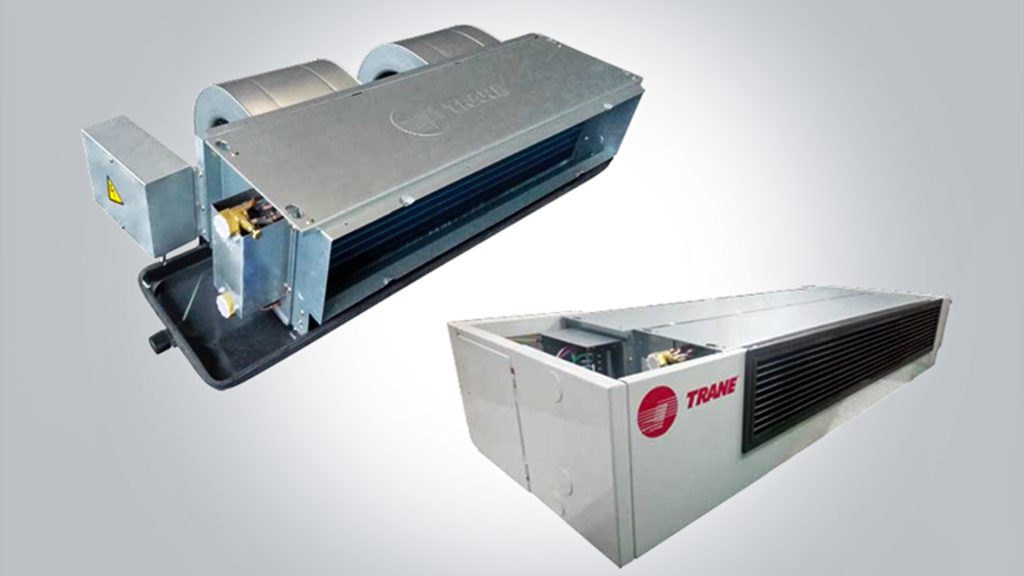
In the realm of commercial and residential HVAC solutions, few names carry the weight and reputation of Trane. Known for reliability, innovation, and superior performance, Trane’s equipment is often the first choice for engineers and facility managers. Among their extensive lineup, trane dx fan coil units stand out as a versatile and efficient solution for climate control. Whether you are retrofitting an older building or designing a new high-rise, understanding the capabilities of these units is essential for ensuring optimal indoor air quality and comfort.
This guide explores the technology behind these systems, why the trane fan and coil combination is so effective, and how specific configurations like the trane vertical fan coil can solve unique architectural challenges. At Workman Services, we specialize in helping you select, install, and maintain the right HVAC infrastructure for your specific needs.
Understanding the Power of Trane DX Fan Coil Units
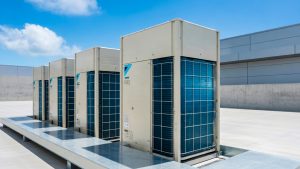
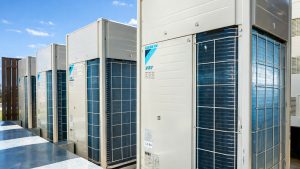
At its core, a Direct Expansion (DX) fan coil unit is a heat exchanger that uses a refrigerant directly in the coil to cool or heat the air. Unlike chilled water systems that require a separate chiller and pumps, trane dx fan coil units connect directly to a condensing unit or heat pump. This direct heat transfer method is highly efficient and offers rapid temperature control.
The engineering behind trane dx fan coil units focuses on minimizing energy consumption while maximizing airflow and heat transfer. These units are designed to operate quietly and reliably, making them ideal for environments where noise control is critical, such as hotels, hospitals, and luxury apartments. By choosing a robust system like this, building owners can significantly reduce their long-term operational costs while providing a superior environment for occupants.
The Synergy of Trane Fan and Coil Technology
The effectiveness of any HVAC unit lies in the harmony between its components. The trane fan and coil design is the result of decades of research and development. Trane engineers have optimized the aerodynamics of the fan to deliver high static pressure with minimal noise, while the coil geometry is designed to maximize surface area for efficient heat exchange.
When you invest in a trane fan and coil system, you aren’t just buying parts; you are buying an integrated solution. The synergy ensures that the motor doesn’t overwork, extending the lifespan of the unit. Furthermore, the trane fan and coil assembly is constructed with durability in mind, featuring corrosion-resistant materials that stand up to humid environments and rigorous daily use. This reliability is why Workman Services confidently recommends Trane equipment for critical applications.
Vertical Solutions for Modern Spaces
Space is a premium in modern architecture. Developers and architects are constantly looking for ways to maximize usable floor area without compromising on mechanical services. This is where the trane vertical fan coil shines. Designed to fit into tight spaces, such as furred-in columns or closets, these units provide powerful conditioning without occupying valuable square footage.
A trane vertical fan coil is particularly well-suited for perimeter zones in office buildings or individual rooms in hospitality settings. They offer the flexibility of floor-mounting while easily blending into the interior design. The vertical configuration aids in natural convection and allows for efficient ducting strategies that distribute air evenly throughout the space.
The Versatility of Trane Vertical Fan Coil Units
Expanding on the vertical concept, the broader category of trane vertical fan coil units includes various models tailored to different performance requirements. Some are designed for exposed installation with sleek cabinetry, while others are meant to be concealed behind walls.
One of the key advantages of trane vertical fan coil units is their serviceability. Because they are often floor-mounted or installed low on the wall, maintenance teams can access filters, motors, and controls easily without the need for ladders or scaffolding. This ease of access encourages regular maintenance, which is crucial for the longevity of trane dx fan coil units. At Workman Services, we find that facilities utilizing trane vertical fan coil units often report lower maintenance labor costs due to this accessibility.
High-Rise Efficiency: Trane Vertical Stack Fan Coil
For multi-story buildings like hotels, dormitories, and apartment complexes, the trane vertical stack fan coil is a game-changer. This “stack” design allows units to be installed one on top of the other, sharing a common riser system for piping and electrical connections. This significantly reduces installation time and material costs compared to running individual lines to every room.
The trane vertical stack fan coil system is pre-engineered for consistency. It minimizes the footprint required in each room, often occupying a small corner that can be easily drywall-encased. Despite their compact nature, a trane vertical stack fan coil delivers robust performance, ensuring that guests on the top floor experience the same comfort as those on the ground floor.
Why Choose Trane DX Systems?
Choosing the right HVAC system is a balance of performance, cost, and longevity. Here is why trane dx fan coil units remain a top contender:
- Energy Efficiency: Direct expansion systems eliminate the intermediate step of chilling water, reducing energy loss.
- Scalability: You can easily add more units as a building expands or needs change.
- Individual Control: DX systems allow for precise zoning, meaning unoccupied rooms don’t need to be conditioned.
- Reliability: Trane’s rigorous testing ensures these units perform in extreme conditions.
Whether you opt for a standard horizontal unit or a specialized trane vertical stack fan coil, the underlying quality remains consistent.
Comparing Trane Fan Coil Configurations
To help you navigate the options, we have compiled a comparison of common Trane fan coil configurations available through Workman Services.
|
Feature |
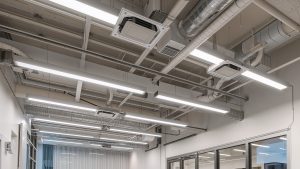
Horizontal Concealed |
Vertical Console |
Vertical Stack |
|---|---|---|---|
|
Installation Location |
Ceiling void / false ceiling |
Floor / Low wall |
Vertical column / Riser |
|
Space Efficiency |
High (uses ceiling space) |
Medium (uses floor space) |
Very High (minimized footprint) |
|
Maintenance Access |
Difficult (requires ladder/panel) |
Easy (front panel access) |
Easy (slide-out chassis) |
|
Best Application |
Offices, Retail, Open Plans |
Classrooms, Lobbies |
Hotels, Apartments, Dorms |
|
Noise Level |
Very Low |
Low |
Low to Medium |
|
Primary Benefit |
Invisible to occupants |
easy retrofit |
Simplified piping infrastructure |
Selecting the right form factor—whether it’s a standard trane vertical fan coil or a high-capacity horizontal unit—depends heavily on your building’s structure. Workman Services can conduct a site survey to determine the optimal configuration for your facility.
Installation and Maintenance Considerations
Proper installation is critical for the performance of trane dx fan coil units. Issues like refrigerant leaks or improper drainage can severely impact efficiency. It is vital to work with certified professionals who understand the specific requirements of the trane fan and coil assembly.
Regular maintenance is equally important. Filters should be changed quarterly, and coils should be cleaned annually to prevent mold growth and maintain heat transfer efficiency. For trane vertical fan coil units, checking the condensate drain pan is essential to prevent water damage. With a trane vertical stack fan coil, ensuring the integrity of the riser connections is a key maintenance task.
The Role of Smart Controls
Modern trane dx fan coil units are compatible with advanced building automation systems. This allows facility managers to monitor performance remotely, adjust setpoints, and receive alerts for maintenance needs. Integrating your trane vertical fan coil network into a smart system transforms reactive maintenance into proactive management, saving money and preventing downtime.
Optimizing for the Future
As energy regulations become stricter, the demand for high-efficiency systems like trane dx fan coil units will only grow. Investing in this technology now future-proofs your building against rising energy costs and regulatory changes. The adaptability of the trane fan and coil platform means upgrades, such as EC (Electronically Commutated) motors, can often be integrated to further boost efficiency.
Moreover, the modular nature of trane vertical fan coil units makes them excellent candidates for phased renovations. You can upgrade a building floor by floor without disrupting the entire HVAC system, a strategy often employed by Workman Services for occupied buildings.
Conclusion
The versatility, efficiency, and reliability of trane dx fan coil units make them a cornerstone of modern HVAC design. From the space-saving trane vertical stack fan coil ideal for high-rises to the accessible trane vertical fan coil perfect for classrooms and offices, there is a solution for every architectural challenge.
The engineering excellence behind the trane fan and coil combination ensures that your investment yields dividends in comfort and energy savings for years to come. When you are ready to upgrade or install a new system, remember that the quality of the installation is just as important as the equipment itself. Workman Services is here to ensure that your Trane system operates at its peak potential.
Frequently Asked Questions (FAQ)
1. What is the difference between a DX fan coil and a chilled water fan coil?
A DX (Direct Expansion) fan coil uses a refrigerant directly in the coil to cool the air, connecting to a condensing unit. A chilled water fan coil uses cold water that has been cooled by a separate central chiller. Trane dx fan coil units are often more efficient for smaller to mid-sized applications or where zoning is critical.
2. Can Trane vertical fan coil units be used for heating as well?
Yes. Trane vertical fan coil units can be equipped with electric heating elements or hot water coils, or they can operate as part of a heat pump system to provide both heating and cooling year-round.
3. How often should I service my Trane fan and coil system?
It is recommended to inspect the trane fan and coil components at least twice a year. Filters should be checked monthly and replaced as needed. A comprehensive professional service by a team like Workman Services should be performed annually.
4. What are the benefits of a Trane vertical stack fan coil in an apartment building?
The trane vertical stack fan coil reduces installation costs by using a shared riser for piping. It also minimizes the floor space required in each apartment and centralizes the utility connections, making the building design cleaner and more efficient.
5. Are Trane DX fan coil units noisy?
Trane engineers prioritize acoustics. Trane dx fan coil units feature insulated cabinets and specially designed fans to operate quietly. However, noise levels can increase if the unit is dirty or requires maintenance, emphasizing the need for regular care.