
Why You Should Buy VRF for Ultimate Comfort!
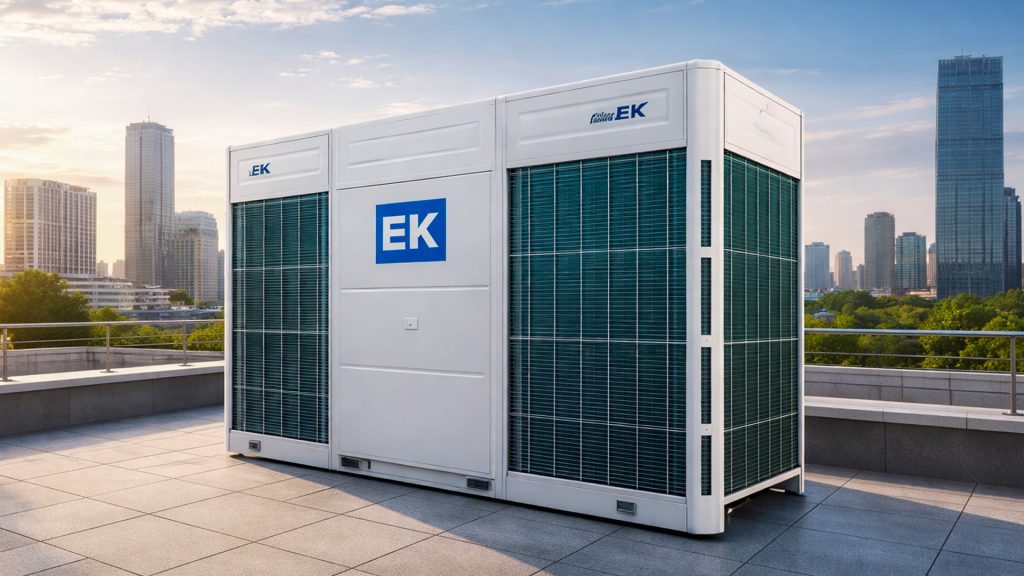
Why You Should Buy VRF for Ultimate Comfort I remember walking into a massive office building a few years ago right in the middle of July. The lobby was freezing cold, but by the time I reached the third-floor conference room, it was sweltering! Everyone was sweating, fanning themselves with file folders, and looking absolutely miserable. Have you ever experienced that frustrating temperature guessing game in a large building? It is the absolute worst! That uneven cooling happens when buildings rely on outdated air conditioning technology. But guess what? There is a magical solution that fixes this completely! If you want to transform your entire building into a perfectly balanced oasis of comfort, you need to look into advanced cooling technologies. Specifically, deciding to buy VRF technology is one of the smartest upgrades you can possibly make. Today, we are going to dive deep into the wonderful world of Variable Refrigerant Flow. I am going to share everything you need to know about these brilliant setups. We will look at how they work, how to find the perfect partner for your project, and what to expect when planning your budget. By the end of this guide, you will be completely ready to make your space crisp, cool, and incredibly comfortable! What Makes a VRF System So Incredibly Special? Let’s talk about the magic behind the machinery! A standard air conditioner just blasts cold air until the thermostat clicks off. But a VRF system is brilliantly smart! Variable Refrigerant Flow means the equipment actually changes the exact amount of refrigerant flowing to different indoor units based on what each specific room needs. A VRF system is perfect for balancing temperatures in diverse spaces. For example, it can cool a sunny office while warming a shaded storage room simultaneously. This advanced technology ensures personalized comfort for every zone, eliminates thermostat battles, and maximizes energy efficiency—saving you money while keeping everyone comfortable. Finding a Trustworthy VRF Supplier You Will Love Now, you cannot just pick up this kind of equipment at your local hardware store. You need a dedicated, highly experienced professional! Choosing the right VRF supplier is like finding a great mechanic—once you find a good one, you will never want to let them go. So, what should you look for? First, you want a VRF supplier that actually takes the time to understand your specific building layout. They should ask you detailed questions about your daily operations, your ceiling types, and your ultimate comfort goals. If they just hand you a brochure and walk away, run in the other direction! This is exactly where Workman Services shines so brightly. They are not just a fantastic partner for cooling; they offer comprehensive life safety and HVAC solutions! Since 2006, they have been delivering absolute excellence. They evaluate your entire space to ensure you get the absolute best equipment available. Working with a top-tier VRF supplier means you get access to premium brands, brilliant designs, and a guarantee that your project will be handled with incredible care. Making Perfect Sense of the VRF Price Let’s talk about everyone’s favorite topic: the budget! When you first start planning your upgrade, the VRF price might seem a bit higher than throwing a few window units into your rooms. But you have to look at the big picture! The initial VRF price includes some of the most advanced, energy-saving technology on the planet. Because these setups are incredibly efficient, your monthly energy bills will drop significantly. Over time, the equipment practically pays for itself! I always tell my friends that investing in high-quality cooling is an investment in your property’s value and your daily happiness. Several factors will influence your final VRF price. The size of your building, the number of individual temperature zones you want, and the specific brand you choose all play a big part. But do not worry! A reputable professional will walk you through every single cost, line by line. They will help you find the sweet spot between ultimate performance and your specific budget. There are never any nasty surprises when you work with honest experts! The Absolute Importance of Pro VRF Installation Services Okay, here is a massive tip: never, ever try to cut corners on the actual setup process! You can buy the most expensive, brilliant equipment in the world, but if it is installed poorly, it will be a total nightmare. That is why securing expert VRF installation services is absolutely non-negotiable. These setups involve complex networks of refrigerant piping, specialized electrical wiring, and advanced digital controls. It is basically the central nervous system of your building! Top-notch VRF installation services ensure that every single pipe is perfectly sealed, every wire is safely connected, and the entire network communicates flawlessly. When you hire certified professionals for your VRF installation services, you also protect your manufacturer warranty. If a random handyman makes a mistake, your warranty is instantly voided! Workman Services takes immense pride in their execution. Their certified technicians handle everything from the initial design to the final testing and commissioning. They treat your building like it is their own, ensuring that when they flip that power switch, you are greeted with nothing but beautiful, refreshing air! Bringing It All Together With Workman Services Creating a perfect indoor environment is about so much more than just temperature. It is about total peace of mind! When you decide to buy VRF technology through Workman Services, you are getting an incredibly holistic approach to building management. Did you know they are also absolute experts in fire safety? It is true! While they are designing your brilliant new VRF system, they can also integrate top-of-the-line fire fighting supply, alarms, and suppression systems. Imagine how amazing it feels to know your building is perfectly chilled and completely protected against emergencies! Workman Services is deeply committed to 100% client satisfaction. They guide you from the very first consultation all the way through to regular, ongoing maintenance. So, when you are ready to
Transform Your Space with Euroklimat VRF Cooling
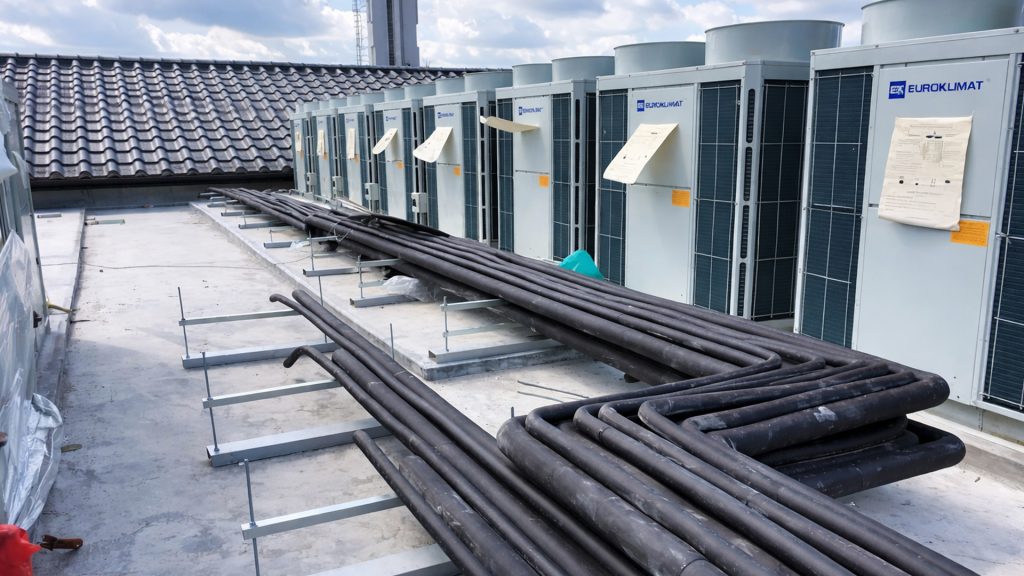
Transform Your Space with Euroklimat VRF Cooling I remember walking into a massive manufacturing facility during the absolute peak of summer a few years ago. The heat outside was practically unbearable, but the moment I stepped through those large double doors, it felt like a perfectly crisp, refreshing autumn morning! I was totally amazed. I immediately asked the facility manager what kind of magic they were using to keep such a giant space so delightfully comfortable. He smiled, pointed up to the sleek ceiling vents, and introduced me to the wonderful world of advanced commercial cooling. That was my first real experience with large-scale climate control, and I honestly could not stop talking about it. If you want your own team, clients, and guests to feel that exact same welcoming and refreshing comfort the moment they walk into your building, we need to talk about the incredible Euroklimat VRF! It is an absolute game-changer for commercial spaces, hospitals, retail shops, and industrial properties. In this post, I will walk you through exactly how these amazing systems work, what you should look for when you decide to vrf buy, and how to partner with the absolute best vrf supplier to make your building the coolest place in town! What Makes the Euroklimat VRF So Unbelievably Special? Have you ever noticed how some large buildings have certain rooms that are absolutely freezing, while the office right down the hall is stuffy and uncomfortably warm? It is so incredibly frustrating for everyone! But that is exactly the kind of annoying problem an Euroklimat VRF solves completely. VRF stands for Variable Refrigerant Flow. It sounds a bit technical, but the concept is actually brilliant and quite simple! Instead of blindly pushing the exact same amount of freezing cold air into every single room of your building, this incredibly smart system figures out exactly how much cooling each specific zone needs. It then adjusts the refrigerant flow automatically to match that exact need! It is exactly like having a dedicated, personalized climate controller for every single corner of your property. Whether you are running a super busy retail floor with hundreds of shoppers, a multi-story corporate office, or a sprawling manufacturing plant, the Euroklimat VRF keeps everyone blissfully comfortable at all times. Plus, because it never wastes energy cooling empty rooms, it is remarkably energy-efficient! You get to save serious money on your monthly utility bills while enjoying top-tier, luxurious comfort. Why a vrf system in Pakistan is a Brilliant Choice We all know just how intense and demanding the summers can get around here! Keeping a massive commercial or industrial building perfectly cool is absolutely no small task. The sun beats down on the roof, the heavy machinery generates heat, and the large crowds warm up the rooms. That is exactly why installing a dedicated vrf system in Pakistan is one of the smartest, most impactful investments you can possibly make for your business! The extreme local temperatures demand a highly robust and incredibly reliable cooling solution that simply will not break down or freeze up when you need it the most. I always tell my friends who manage commercial real estate that a standard, run-of-the-mill air conditioner just cannot handle the heavy heat load of a large facility. It will work way too hard, break down frequently, and cost a fortune in electricity. However, a vrf system in Pakistan is specifically engineered to thrive under these exact heavy demands! It operates incredibly smoothly, cools massive open areas surprisingly fast, and helps keep the indoor air quality fresh and clean. Your employees will be so much happier and far more productive when they are not constantly sweating at their desks! Partnering with the Perfect vrf supplier You absolutely cannot just buy a massive commercial cooling system off a retail shelf! It is a complex process that requires real expertise. You need a dedicated, experienced vrf supplier who truly understands your building’s unique layout, your specific heat loads, and your long-term comfort goals. A truly great supplier will actually walk through your entire property, measure the cooling loads of each room, and design a fully customized layout just for you! When you choose to work with a top-notch vrf supplier—like the wonderful and highly experienced team at Workman Services—you get so much more than just the physical equipment. You get incredible expert advice, flawless installation techniques, and the absolute peace of mind knowing that certified professionals are handling every single detail of your project! They take all the stress out of the process so you can focus on running your business. Let’s Talk Budget: Understanding the vrf ac price Now, I am sure you are wondering about the overall cost. It is a big and very important question! When you are budgeting for a massive property upgrade, fully understanding the vrf ac price is super important for your financial planning. Because these amazing systems are highly customized to fit your specific building perfectly, the price can vary based on the overall size of your property, the cooling capacity you need, and the specific smart features you choose to include. While the initial vrf ac price might be a bit higher than a basic, traditional split air conditioning system, you absolutely must look at the big picture and the incredible long-term savings! These variable flow systems use significantly less electricity every single day. Over a few years, the massive drop in your monthly energy bills actually helps to offset the initial vrf ac price! It is an incredibly smart financial decision that practically pays for itself over time. Ready to vrf buy? Here are My Top Tips! If you are finally ready to take the exciting plunge and vrf buy for your commercial property, I am so excited for you! It is going to change your building completely. My first big tip is to always, always request a detailed site survey from your contractor. Do not ever try to guess your capacity needs; let the
The Complete Guide to Advanced Climate Control for Modern Buildings
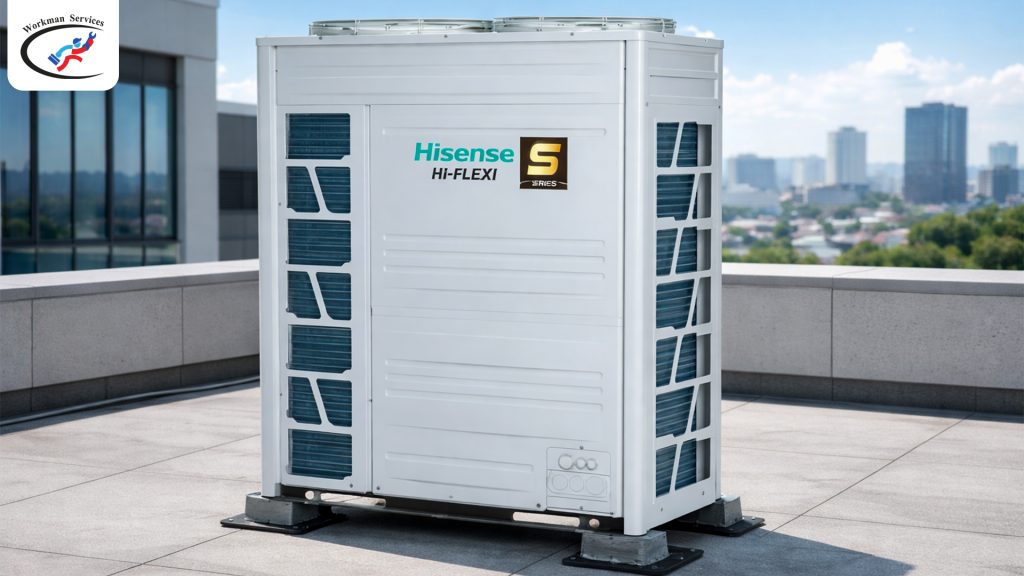
The Complete Guide to Advanced Climate Control for Modern Buildings In the sweltering heat of Lahore or the arid climate of Abu Dhabi, reliable air conditioning isn’t just a luxury—it’s a survival necessity. Traditional cooling methods often struggle to balance comfort with energy bills. If you manage a large commercial space, a hospital, or a luxury villa, you might notice that standard split units just don’t cut it, and massive central systems can be overkill for partial usage. This is where advanced climate technology steps in. Specifically, we are talking about the technology that has revolutionized energy efficiency in modern construction. At Workman Services, we have spent over 18 years mastering the art of cooling, and we believe the future of comfortable living lies in intelligent air distribution. What is a VRF System? Variable Refrigerant Flow technology is a sophisticated method of air conditioning that circulates only the minimum amount of refrigerant needed during a single heating or cooling period. This mechanism allows you to individually control several air conditioning zones at one time. Unlike conventional systems that simply turn on and off completely, these systems feature inverter compressors that can operate at varying speeds. This means the system works only as hard as needed to maintain the desired temperature, resulting in substantial energy savings. For building owners, this technology offers a modular design. You can connect multiple indoor units to a single outdoor unit. This reduces the footprint on your roof or ground level while maximizing the cooling potential inside. How It Works The magic lies in the name: Variable Refrigerant Flow. The system controls the amount of refrigerant flowing to the multiple evaporators (indoor units), enabling the use of many evaporators of differing capacities and configurations connected to a single condensing unit. This arrangement provides an individualized comfort level, and simultaneous heating and cooling in different zones. Why Choose a VRF System HVAC Setup? When you install a vrf system hvac solution, you are investing in precision. Here is why architects and engineers across Pakistan and the UAE are shifting towards this technology. 1. Superior Energy Efficiency Energy costs in commercial buildings can be astronomical. A standard VRF ac setup minimizes ductwork energy losses, which are estimated to account for 30% of energy consumption in central air conditioning. Because the system varies its speed rather than stopping and starting, it consumes much less electricity. 2. Zoning Capabilities Imagine a large office building. The conference room is packed with people and needs heavy cooling. The executive office is empty. The server room needs constant cold air. A vrf system hvac installation handles all these needs simultaneously. You don’t waste money cooling empty rooms, and every occupant controls their own environment. 3. Quiet Operation The noisy compressor unit is located outside, often far away from the occupied spaces. The indoor units are designed to be whisper-quiet, making them perfect for environments like hospitals and luxury apartments where silence is golden. 4. Aesthetic Flexibility Whether you prefer sleek wall-mounted units, concealed ducted units, or ceiling cassettes, the hardware is versatile. It blends seamlessly into the interior design without the bulky ductwork required by older systems. Comparing Cooling Giants: VRF vs. Chiller A common dilemma for facility managers is choosing between a Chiller system and a VRF setup. Both are powerful, but they serve different needs. A Chiller uses water to transport heat, while VRF uses refrigerant. Here is a breakdown to help you decide which is right for your project. Feature VRF System Chiller System Cooling Medium Refrigerant Water Energy Efficiency High (Inverter technology) Moderate to High (depends on load) Space Requirement Compact outdoor units Requires large plant room/roof space Installation Complexity Moderate (Refrigerant piping) High (Pumps, towers, piping) Maintenance Minimal routine checks Requires specialized, frequent maintenance Best For Offices, Hotels, Luxury Homes Mega-malls, Large Industrial Plants Zoning Control Excellent (Room by room) Good (Zone by zone) If you are running a massive industrial plant, a Chiller might still be the standard. However, for most commercial buildings, high-end residences, and mixed-use developments, the flexibility of Variable Refrigerant Flow technology often wins. Workman Services: Your Cooling Partners At Workman Services, we don’t just sell boxes; we design comfort. Established in 2006, we have grown from a local service provider to a multinational expert in HVAC and fire safety. We understand that installing a VRF ac is a significant investment. That is why our process involves detailed planning and coordination. Our Expertise We specialize in: Design & Planning: We calculate the exact thermal load of your building to recommend the right system size. Installation: Our certified technicians ensure piping is leak-proof and insulation is perfect. Maintenance: We offer comprehensive after-sales support to keep your system running for decades. Where We Operate Our footprint spans key regions where climate control is critical: Lahore: M1 Bara Tower, 36 Queens Road Abid Market. Rawalpindi: Satellite Town. Faisalabad: Muhammad Nagar Satiana Road. UAE: Musaffah M-26, Abu Dhabi. Whether you are looking for a Chiller for a factory or a vrf system hvac for a boutique hotel, our 300+ satisfied clients and 25 years of industry experience speak for themselves. Installation and Maintenance Best Practices Getting the most out of your Variable Refrigerant Flow system requires professional handling. Precise Installation The refrigerant piping network is the lifeline of the system. Unlike water pipes, refrigerant lines must be installed with extreme precision to handle high pressures. Workman Services employs technicians who are specifically trained in these complex installations. Poor installation can lead to refrigerant leaks, which destroys efficiency and harms the environment. Regular Maintenance While these systems are robust, they are not maintenance-free. To ensure longevity: Clean Filters: Clogged filters restrict airflow and strain the system. Check Refrigerant Levels: Low levels indicate leaks and reduce cooling power. Inspect Electrical Connections: Inverter boards are sensitive and need tight, clean connections. The Future of Cooling is Smart As we move toward smarter cities and greener buildings, the adaptability of the VRF platform becomes even more valuable. These systems can now
Hisense VRF Supply and Installation: Complete HVAC Solution
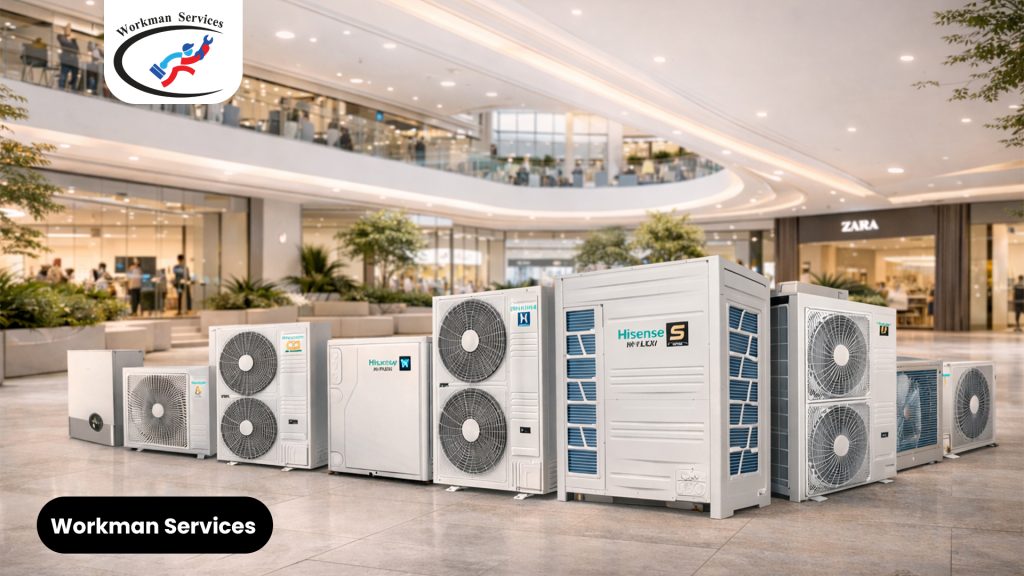
Hisense VRF Supply and Installation: Complete HVAC Solution Modern architecture demands smart climate control. Whether you are constructing a luxury villa in Lahore or managing a high-rise office in the UAE, the need for efficient cooling is universal. This is where Variable Refrigerant Flow (VRF) technology changes the game. At Workman Services, we specialize in Hisense VRF supply and installation, offering a seamless experience from the initial design phase to final commissioning. Since 2006, we have established ourselves as a trusted name in the HVAC industry. We understand that a complete HVAC solution isn’t just about buying a unit; it’s about engineering comfort. This guide explores why Hisense VRF systems are a top choice for energy efficiency and how our VRF Installation Services ensure your system performs at its peak for years to come. Why Choose Hisense VRF Systems? When selecting an air conditioning system for large spaces, efficiency and reliability are paramount. vrf hisense technology stands out in the crowded HVAC market for several compelling reasons. Superior Energy Efficiency Hisense VRF systems utilize advanced inverter technology. This allows the compressor to vary its speed based on the cooling demand of each specific zone. Unlike traditional systems that simply cycle on and off—wasting massive amounts of energy—Hisense units adjust power consumption precisely. This can lead to energy savings of up to 50% compared to conventional chillers or ducted split systems. Zoning Capabilities One of the biggest advantages of Hisense VRF supply is the ability to control multiple indoor units with a single outdoor unit. You can heat one room while cooling another, or turn off specific zones entirely when they aren’t in use. This granular control is perfect for hotels, hospitals, and large office complexes where occupancy rates vary throughout the day. Quiet Operation Noise pollution is a significant concern in both residential and corporate environments. Hisense engineers have designed their VRF outdoor units to operate with minimal vibration and noise, ensuring that your comfort doesn’t come at the cost of peace and quiet. Our Professional VRF Installation Services Installing a VRF system is complex. It requires precise calculation of pipe lengths, accurate refrigerant charging, and sophisticated control wiring. Poor installation is the leading cause of VRF system failure. That is why trusting professional VRF Installation Services is non-negotiable. The Workman Services Process Site Survey & Design: Our team of engineers visits your site (whether in Lahore, Rawalpindi, or the UAE) to assess heat load requirements. We design a piping layout that minimizes refrigerant loss and maximizes efficiency. Equipment Selection: We guide you through the Hisense VRF supply catalog to choose indoor units that match your interior design—be it wall-mounted, cassette, or concealed duct types. Precision Installation: Our certified technicians handle the copper piping work with extreme care. We use nitrogen purging during brazing to prevent oxidation inside the pipes, a critical step often skipped by amateur installers. Pressure Testing & Vacuuming: Before releasing refrigerant, we pressure test the system to ensure there are no leaks. We then create a deep vacuum to remove moisture, which is the enemy of any HVAC compressor. Commissioning: Finally, we power up the system, configure the central controls, and monitor performance parameters to ensure everything is running within Hisense specifications. By choosing our VRF Installation Services, you are protecting your investment and ensuring warranty validity. Understanding the Full Scope of Hisense VRF Supply When we talk about Hisense VRF supply, we are referring to a vast ecosystem of products designed to fit any architectural constraint. Workman Services provides the full range of equipment necessary for a robust system. Outdoor Units We supply high-capacity outdoor units that can handle extreme temperatures, ensuring your building stays cool even during the peak of Pakistan’s summer. These units are compact, saving valuable rooftop or ground space. Indoor Units The versatility of vrf hisense systems lies in the variety of indoor units available: 4-Way Cassettes: Ideal for open offices and retail spaces with false ceilings. Concealed Ducted Units: Perfect for luxury homes and hotels where the AC unit should be heard but not seen. Wall Mounted Units: A cost-effective solution for smaller rooms or retrofitting existing buildings. Control Systems A complete HVAC solution includes smart controls. We supply central controllers that allow facility managers to monitor the entire building from a single interface. You can set schedules, lock temperatures, and even monitor energy usage per tenant. Commercial vs. Residential Applications Hisense VRF installation is versatile enough for diverse applications. However, the requirements for a home differ significantly from a factory or shopping mall. Residential Comfort For luxury villas in areas like DHA Lahore, homeowners prioritize aesthetics and silence. We often recommend concealed duct units that hide behind the ceiling, leaving only elegant linear grills visible. The zoning feature allows families to keep bedrooms cool at night while reducing energy use in the living areas. Commercial Robustness In commercial settings like the projects we’ve handled for brands like Sapphire, McDonald’s, and Outfitters, the priority is reliability and load management. A commercial vrf hisense system must handle high foot traffic and heat generated by lighting and equipment. Our designs ensure that even if one indoor unit requires maintenance, the rest of the system continues to operate, ensuring zero downtime for your business. The Workman Services Advantage: 18+ Years of Excellence Why should you trust Workman Services with your Hisense VRF installation? The answer lies in our track record. Established in 2006, we have over 18 years of experience in the HVAC & R industry. We are not just a service provider; we are partners in your project’s success. With locations in Lahore, Rawalpindi, Faisalabad, and Abu Dhabi (UAE), our reach is extensive. We have successfully completed over 300 projects, serving prestigious clients across the retail, healthcare, and industrial sectors. Our team comprises experienced designers, qualified sales engineers, and certified technicians who are deeply familiar with the nuances of VRF Installation Services. When you work with us, you get the assurance of quality, safety, and innovation. Comparison: VRF vs. Traditional HVAC
Choosing a VRF AC Supplier: A Guide to Next-Generation Climate Control
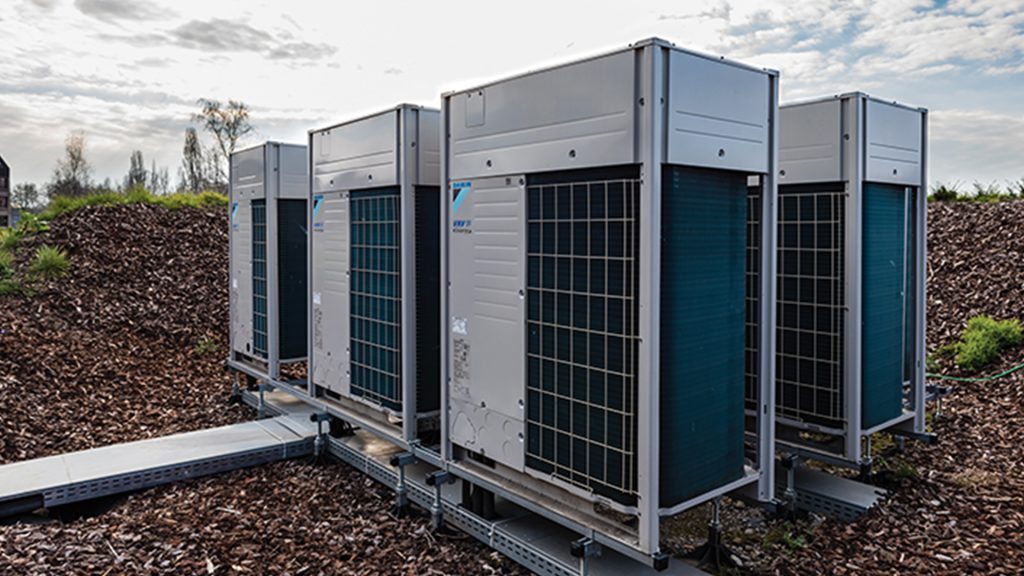
Choosing a VRF AC Supplier: A Guide to Next-Generation Climate Control Modern buildings demand sophisticated solutions for heating, ventilation, and air conditioning. As energy efficiency and personalized comfort become top priorities for facility managers and homeowners, traditional HVAC systems are often outmatched. This is where Variable Refrigerant Flow (VRF) technology comes into play, offering unparalleled efficiency and scalability. However, the system is only as good as the team that designs and installs it. Choosing the right VRF AC supplier is the most critical decision in your journey toward a smarter climate control solution. At Workman Services, we specialize in deploying these advanced systems. This comprehensive guide will explain the technology, outline the benefits, and help you understand what to look for when you’re ready to make a vrf buy. Demystifying the Technology: What is VRF? Before you can choose a supplier, it’s essential to understand the product. So, what is vrf? VRF stands for Variable Refrigerant Flow. Unlike traditional systems that circulate chilled water or push a constant volume of air, VRF systems use refrigerant as the cooling and heating medium. A single outdoor condensing unit connects to multiple indoor units, each capable of individual temperature control. The “variable” part is the key. The system modulates the amount of refrigerant sent to each indoor unit based on its specific need. This means a conference room can be cooled while an adjacent, unoccupied office receives no conditioning, saving tremendous amounts of energy. This technology answers the question, “what is vrf,” by showcasing its intelligence and efficiency. It’s a leap forward from the one-size-fits-all approach of older HVAC systems. The Advantages of a VRF System Why is VRF technology becoming the standard for commercial buildings, hotels, and luxury residences? The benefits are clear: Superior Energy Efficiency: By running at partial loads and only conditioning occupied spaces, VRF systems can reduce energy consumption by up to 40% compared to conventional systems. Zoned Comfort: Occupants can set their preferred temperature for their specific zone, eliminating “thermostat wars” and improving overall comfort and productivity. Quiet Operation: The main noise-producing components are located in the outdoor unit. The indoor units are whisper-quiet, making them ideal for noise-sensitive environments like hospitals, libraries, and bedrooms. Simultaneous Heating and Cooling: Advanced heat recovery VRF systems can take heat from a zone being cooled (like a server room) and transfer it to a zone that needs heating (like a perimeter office in winter). This “free” heating further boosts efficiency. Space-Saving Design: VRF systems typically require less ceiling space than traditional ducted systems and eliminate the need for large mechanical rooms. Understanding these advantages is the first step. The next is finding a qualified VRF AC supplier to bring them to life. Finding the Right Partner: What to Look for in a VRF AC Supplier The complexity of VRF technology means that installation is not a job for a general HVAC technician. It requires specialized training and tools. Your choice of VRF AC supplier will directly impact the performance, reliability, and lifespan of your system. Here’s what to look for: Certified Expertise: The supplier should have factory-certified technicians for the brands they carry. This certification proves they have undergone rigorous training on design, installation, and service. Design Capabilities: A top-tier vrf supplier won’t just sell you boxes. They will have an in-house engineering team that performs detailed load calculations and creates a custom design for your building’s unique needs. Proven Track Record: Ask for a portfolio of past projects and client references. An experienced vrf supplier will have a history of successful installations in buildings similar to yours. Comprehensive Service: The relationship shouldn’t end after installation. Look for a VRF AC supplier that offers robust maintenance plans and responsive emergency service. This ensures your investment is protected for the long haul. Workman Services meets all these criteria, positioning us as a leading VRF AC supplier for clients who demand excellence. Understanding the Factors Behind the VRF AC Price When you decide to vrf buy, budgeting is a primary concern. The vrf ac price is influenced by several key factors, and it’s important to consider the total cost of ownership rather than just the initial quote. System Type (Heat Pump vs. Heat Recovery): A standard heat pump VRF system can provide either heating or cooling to all zones at one time. A heat recovery system, which allows for simultaneous heating and cooling, is more complex and comes with a higher upfront vrf ac price, but it offers greater energy savings in diverse environments. Building Size and Complexity: The number of indoor units, the total length of refrigerant piping, and the difficulty of the installation all impact the final cost. Brand and Features: Premium brands with advanced controls and higher SEER (Seasonal Energy Efficiency Ratio) ratings will naturally have a different price point than more basic models. Labor and Design Costs: The expertise required for proper VRF design and installation is a significant component of the overall vrf ac price. Cutting corners here with a less qualified vrf supplier is a recipe for future problems. While the initial vrf ac price may be higher than some alternatives, the long-term energy savings and reduced maintenance often result in a lower total cost over the system’s life. Navigating Your VRF Buy: A Step-by-Step Process Making a vrf buy is a significant investment. A professional vrf supplier will guide you through a structured process to ensure a successful outcome. Consultation and Assessment: The process begins with a thorough discussion of your needs and a site survey to evaluate your building’s layout, insulation, and existing infrastructure. System Design: The engineering team will use software to model the building’s heat loads and design a system that matches capacity to demand perfectly. This step answers the “what is vrf” question in a practical sense, mapping out the solution. Proposal and Selection: You’ll receive a detailed proposal outlining the recommended equipment, installation plan, and transparent pricing. This is the point where you finalize your vrf buy. Installation and Commissioning: