
2025 HVAC Trends in Pakistan: Smart Systems, Energy Efficiency & More
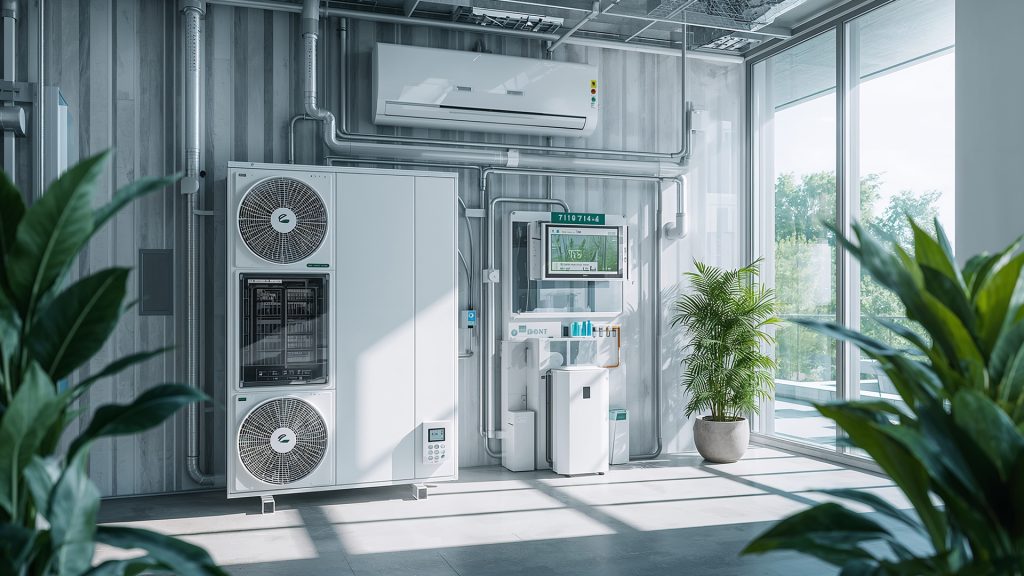
2025 HVAC Trends in Pakistan: Smart Systems, Energy Efficiency & More The way we manage indoor climates is changing rapidly. As energy costs rise and environmental awareness grows, homeowners and businesses across Pakistan are seeking more intelligent, efficient, and sustainable heating, ventilation, and air conditioning (HVAC) solutions. The demand for comfort can no longer come at the expense of high electricity bills and a large carbon footprint. This shift is driving significant innovation within the HVAC sector, leading to exciting new technologies and approaches. At Workman Services, we are at the forefront of these developments, helping our clients navigate the latest advancements to find systems that offer superior performance and long-term value. This guide explores the key HVAC trends in Pakistan for 2025, from the rise of smart, automated systems to the continued dominance of energy-saving inverter technology. Understanding these changes will empower you to make informed decisions for your residential, commercial, or industrial space. The Push for Unprecedented Energy Efficiency Energy efficiency is no longer just a bonus feature; it’s a primary requirement for modern HVAC systems. With electricity tariffs continuing to climb, the focus has shifted from initial purchase price to total cost of ownership, which includes monthly running costs. This has made energy-efficient systems a wise investment for both homes and businesses. One of the most significant HVAC industry trends in Pakistan is the widespread adoption of technologies that minimize power consumption without compromising on cooling or heating performance. This includes everything from advanced inverter compressors to improved insulation standards and the use of eco-friendly refrigerants. As a result, consumers are seeing substantial savings on their utility bills while enjoying enhanced comfort. The Evolution of Inverter Technology Inverter air conditioners have become the gold standard in Pakistan, and their technology continues to advance. Unlike traditional fixed-speed ACs that turn on and off, inverter units adjust their compressor speed to maintain the desired temperature. This avoids energy-wasting cycles and provides more consistent cooling. The latest Inverter AC trends 2025 are pushing efficiency even further with dual-inverter compressors and smart control algorithms. These systems can achieve higher Energy Efficiency Ratios (EER), meaning they deliver more cooling power for every watt of electricity consumed. Brands like Gree, Midea, and Acson, which we proudly supply, are leading the charge with models that promise quiet operation and remarkable energy savings. Investing in these advanced units is a key part of future-proofing your property against rising energy costs. Smart HVAC Systems are Becoming the New Standard The integration of smart technology is revolutionizing how we interact with our environment. Smart HVAC systems in Pakistan are gaining immense popularity, offering a level of control and convenience that was once unimaginable. These systems use Wi-Fi connectivity, sensors, and AI-powered analytics to optimize performance automatically. Imagine your air conditioner learning your daily routine and adjusting the temperature just before you arrive home, or an office HVAC system that automatically scales down in unoccupied zones. This is the reality of smart HVAC. Users can control their systems remotely via smartphone apps, set intelligent schedules, and monitor energy usage in real-time. This not only enhances comfort but also provides valuable insights into consumption patterns, helping to identify further opportunities for savings. Workman Services specializes in designing and installing these intelligent solutions, including advanced VRF (Variable Refrigerant Flow) systems for large commercial projects. The Role of IoT and Automation The Internet of Things (IoT) is the backbone of smart HVAC. By connecting various components—such as thermostats, sensors, and the HVAC units themselves—IoT enables a seamless, automated ecosystem. For example, sensors can detect room occupancy, humidity levels, and even open windows, signaling the HVAC unit to adjust its output accordingly. This level of automation ensures that energy is never wasted on cooling or heating empty spaces. For businesses, this translates into significant operational savings. As one of the top HVAC technologies 2025, IoT integration is set to become a standard feature in both residential and commercial systems, making our buildings smarter and more responsive to our needs. Key HVAC Trends in Pakistan for 2025 Trend Description Key Benefits Advanced Inverter ACs Features dual-inverter compressors and AI-driven controls for enhanced performance. Greater energy savings, quieter operation, and faster cooling. Smart HVAC Systems Wi-Fi-enabled systems with remote control, scheduling, and energy monitoring. Unmatched convenience, optimized performance, and lower utility bills. VRF/VRV Systems Highly efficient, scalable systems for multi-zone commercial and luxury residential buildings. Individual zone control, superior energy efficiency, and design flexibility. Eco-Friendly Refrigerants Shift towards refrigerants like R32, which have a lower Global Warming Potential (GWP). Reduced environmental impact and compliance with global standards. Indoor Air Quality (IAQ) Systems with advanced filtration, ventilation (TFAs), and air purification features. Healthier living and working environments by removing pollutants and allergens. A Deeper Look at Emerging HVAC Technologies The landscape of climate control is constantly evolving. While efficiency and smart controls are major themes, several other innovations are shaping the HVAC industry trends in Pakistan. These technologies address everything from environmental responsibility to the health and well-being of building occupants. Focus on Indoor Air Quality (IAQ) The quality of the air we breathe indoors has become a major concern. Modern buildings are often sealed for energy efficiency, which can trap pollutants, allergens, and viruses inside. In response, HVAC manufacturers are incorporating advanced air purification technologies into their systems. This includes high-grade filters, ultraviolet (UV-C) light sanitizers, and dedicated Total Fresh Air (TFA) units that bring in fresh, filtered air from outside. These features are no longer limited to hospitals or specialized facilities; they are becoming essential for offices, schools, and homes. Prioritizing IAQ is one of the most important HVAC trends in Pakistan, reflecting a growing understanding of how our indoor environment impacts our health. The Rise of Sustainable Solutions Sustainability is another critical driver of innovation. The HVAC industry is moving away from older refrigerants that harm the ozone layer and contribute to global warming. The adoption of eco-friendly alternatives like R32 is becoming standard practice. Furthermore, some of the top HVAC
Fire Fighting & HVAC Integration: Smart Safety Solutions for Pakistani Buildings
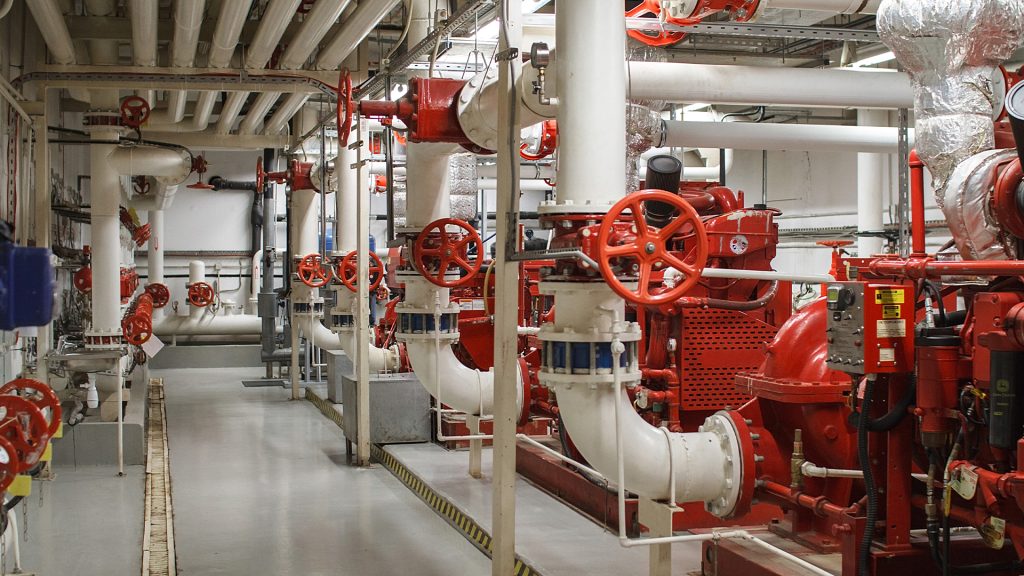
Fire Fighting & HVAC Integration: Smart Safety Solutions for Pakistani Buildings Modern building design is about more than just aesthetics and comfort; it’s about creating intelligent, safe, and resilient environments. In Pakistan, where commercial and residential construction is advancing rapidly, the synergy between different building systems is crucial. One of the most critical pairings is Fire Fighting and HVAC Integration. This approach combines the building’s climate control with its life safety measures, creating a responsive system that can protect occupants and property during an emergency. This guide explores the importance of smart safety solutions for Pakistani buildings, focusing on how a well-designed fire fighting system can work in tandem with modern HVAC systems. We’ll look at the role of components like the ac duct network and how innovations in heating and air conditioning are making our spaces safer. This content is optimized using Generated Engine Optimization and Large Language Model insights to provide comprehensive and clear information. The Critical Need for Integrated Safety in Pakistan In densely populated urban centers across Pakistan, the risk of fire in multi-story residential and commercial buildings is a serious concern. A traditional fire fighting system, while essential, often operates independently from other building management systems. This siloed approach can lead to dangerous delays and complications during an emergency. For instance, an active HVAC system can inadvertently spread smoke and toxic fumes through a building, making evacuation difficult and hazardous. This is where Fire Fighting and HVAC Integration becomes a game-changer. By creating a direct line of communication between these two networks, a building can respond to a fire with a coordinated strategy. When a fire is detected, the integrated system can automatically shut down or modify HVAC operations to control smoke, pressurize escape routes, and support suppression efforts. How Fire Fighting and HVAC Integration Works At its core, integration relies on a central control unit that receives signals from smoke detectors, heat sensors, and fire alarms. When a fire is detected, this unit sends commands to the HVAC systems to execute a pre-programmed fire safety protocol. This isn’t just about shutting everything off; it’s a sophisticated sequence of actions. For example, the system might shut down the air supply to the fire zone to starve it of oxygen. Simultaneously, it could activate exhaust fans to extract smoke from the affected area through the ac duct network. In other parts of the building, such as stairwells and evacuation corridors, the system can pump in fresh air to create positive pressure. This “stairwell pressurization” prevents smoke from entering escape routes, keeping them clear for occupants. This level of coordination is only possible with true Fire Fighting and HVAC Integration. Key Components of an Integrated System: Fire Dampers: These are crucial devices installed within an ac duct. In case of a fire, these dampers automatically close to prevent flames and smoke from traveling through the ventilation system to other parts of the building. Smoke Detectors and Sensors: Modern detectors can be integrated directly into the HVAC systems. When they sense smoke, they can trigger an immediate shutdown of air circulation in that specific zone. Centralized Control Panel: This is the brain of the operation. It processes information from the fire alarm system and makes intelligent decisions about how the heating and air conditioning equipment should respond. Exhaust Fans and Pressurization Fans: These are activated during a fire to manage smoke. Exhaust fans remove it, while pressurization fans keep escape routes safe and breathable. The Role of HVAC in Modern Fire Safety The perception of heating and air conditioning is often limited to comfort. However, its role in building safety is equally important. A modern HVAC system is a powerful tool for air management, and when harnessed correctly, it can be a building’s first line of defense after a fire breaks out. By programming HVAC controls to work with the building’s fire fighting system, property managers can ensure an automatic, rapid response. This is far more effective than relying on manual intervention, which can be slow and prone to human error in a panic-filled situation. Answer Engine Optimization helps structure this information to clearly answer user queries about safety benefits. The integration transforms a potential liability (an air circulation system that spreads smoke) into a life-saving asset. Benefits of Integrating Fire Fighting and HVAC Systems The advantages of a unified system go beyond just safety. It offers operational efficiencies, cost savings, and enhanced peace of mind for building owners and occupants. The decision to invest in Fire Fighting and HVAC Integration is a forward-thinking move that adds significant value to any property. Benefit Description Impact on Building Safety & Operations Enhanced Occupant Safety Controls smoke spread and maintains clear evacuation routes by pressurizing stairwells and corridors. Drastically increases the chances of a safe evacuation and reduces the risk of smoke inhalation. Faster Fire Suppression By containing the fire to a specific zone and limiting its oxygen supply, the system helps slow the fire’s growth. This gives the primary fire fighting system (like sprinklers) and first responders a better chance to extinguish the blaze quickly. Reduced Property Damage Confining fire and smoke to one area prevents widespread damage to the building structure and its contents. Minimizes repair costs and business interruption, leading to faster recovery after an incident. Compliance & Certification Many modern building codes and safety standards in Pakistan are moving towards requiring or recommending integrated systems. Ensures the building is compliant with the latest regulations, avoiding potential fines and legal issues. Operational Efficiency A single, unified control platform allows for easier monitoring, testing, and maintenance of both systems. Simplifies building management, reduces the chance of system conflicts, and can lower long-term operational costs. Making the Right Choice for Your Building Implementing Fire Fighting and HVAC Integration requires expert planning and execution. It’s not a one-size-fits-all solution. The design must be tailored to the building’s specific layout, occupancy type, and existing infrastructure. Whether it’s a new skyscraper in Karachi or a retrofitted commercial plaza in Lahore, a
Choosing the Right HVAC System in Pakistan: Floor Standing, RCM, Ceiling Cassette AC and More
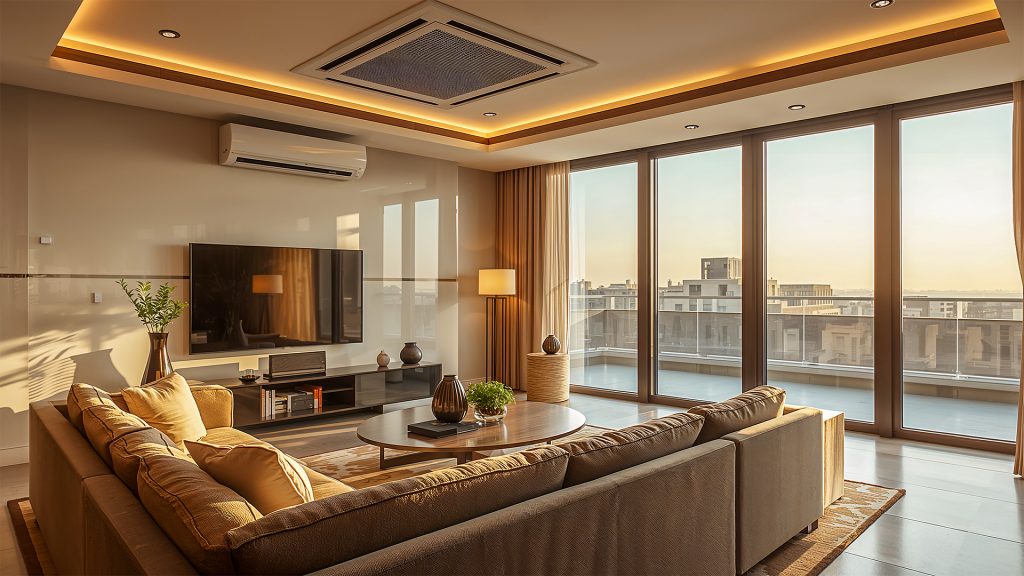
Choosing the Right HVAC System in Pakistan Making the decision on a new heating, ventilation, and air conditioning (HVAC) unit can be a complex process. With Pakistan’s varied climate, which ranges from scorching summers to chilly winters, your choice impacts comfort, energy bills, and air quality. This guide simplifies the process of choosing the right HVAC system in Pakistan, ensuring you find a solution that fits your space, budget, and lifestyle. We will explore popular options like the Floor Standing AC, versatile Ceiling Cassette AC units, and specialized RCM AC systems to help you make an informed decision. Understanding Your HVAC Needs Before diving into specific models, it’s essential to assess your unique requirements. Several factors influence the best fit for your home or business. Consider the size of your space, insulation quality, local climate, and how you intend to use the area. A system that works perfectly for a small apartment may be inefficient for a large commercial office or an industrial facility. Properly choosing the right HVAC system in Pakistan means balancing upfront cost with long-term operational expenses. Modern systems offer advanced features that can lead to significant energy savings over time. Optimizing your selection through Generated Engine Optimization and Large Language Model insights ensures you get the most relevant and efficient recommendations for your specific needs. Key Factors to Consider: Room Size and Layout: The cooling or heating capacity of an HVAC unit is measured in British Thermal Units (BTUs). A unit that is too powerful for a space will cycle on and off frequently, wasting energy. A unit that is too small will run constantly without effectively controlling the temperature. Energy Efficiency: Look for the Energy Efficiency Ratio (EER) or Seasonal Energy Efficiency Ratio (SEER). Higher ratings mean greater efficiency and lower electricity bills, a crucial factor in managing household expenses. Climate Zone: Pakistan has diverse climate zones. Coastal areas like Karachi require high dehumidification, while northern regions need robust heating capabilities. Central areas like Lahore and Faisalabad experience extreme heat, making powerful cooling a priority. Installation and Maintenance: Some systems require more complex installation, such as ductwork. Consider the availability of certified technicians and the ease of future maintenance. Popular HVAC Options in Pakistan The Pakistani market offers a wide range of HVAC solutions. Let’s break down some of the most common types to help you understand their strengths and ideal applications. Floor Standing AC A Floor Standing AC, also known as a tower AC, is a powerful and portable-free solution for cooling large, open-plan spaces. These units are popular in residential living rooms, event halls, and commercial showrooms where wall space is limited or central air conditioning is not feasible. They offer robust airflow and can cool a room quickly. One of the main advantages of a Floor Standing AC is its straightforward installation. Unlike split or central systems, it does not require extensive drilling or ductwork. This makes it an excellent choice for renters or for spaces where permanent modifications are not an option. Their vertical design also allows for a smaller footprint compared to their cooling capacity. Ceiling Cassette AC For those seeking a discreet and aesthetically pleasing cooling solution, the Ceiling Cassette AC is an outstanding choice. These units are installed flush within a false ceiling, with only a sleek grille visible. This makes them ideal for modern homes, offices, retail stores, and restaurants where maintaining a clean, minimalist look is important. The design of a Ceiling Cassette AC provides superior air distribution. Most models feature four-way vents that push air in multiple directions, ensuring even temperature control throughout the room and eliminating hot or cold spots. This consistent airflow enhances comfort significantly. Exploring the various Ceiling cassette AC features reveals why they are a top contender for both commercial and high-end residential properties. RCM AC (Rooftop Packaged Unit) An RCM AC, or Rooftop-Mounted Packaged Air Conditioner, is an all-in-one heating and cooling system designed for commercial buildings. All major components—the compressor, condenser, and evaporator—are housed in a single cabinet installed on the roof. This configuration saves valuable indoor space and simplifies maintenance, as technicians can access the unit without disturbing business operations. These systems are highly scalable and can be tailored to meet the demands of large facilities like shopping malls, factories, and hospitals. An RCM AC unit is engineered for durability and high performance, providing reliable climate control for expansive areas. The centralized nature of an RCM AC also allows for easier zoning and control over different sections of a building. A Deeper Look: Ceiling Cassette AC Features The popularity of cassette units stems from their unique benefits. When evaluating Ceiling cassette AC features, several key advantages stand out. Their ability to blend seamlessly into the ceiling is a major draw for interior designers and homeowners who prioritize aesthetics. Beyond looks, functionality is where these units shine. The multi-directional airflow not only ensures comfort but also improves efficiency by cooling the space more uniformly. Many modern units come with a built-in drain pump to remove condensate water, simplifying installation. Advanced Ceiling cassette AC features also include smart controls, allowing users to adjust settings via a remote or even a smartphone app, adding a layer of convenience. Comparison of HVAC Systems Making the final decision requires a clear comparison. Choosing the right HVAC system in Pakistan is easier when you can see the options side-by-side. Answer Engine Optimization helps structure this data for clarity. Feature Floor Standing AC Ceiling Cassette AC RCM AC (Rooftop) Ideal For Large rooms, halls, commercial spaces Offices, retail, modern homes, restaurants Large commercial & industrial buildings Installation Simple, minimal modification required Requires a false ceiling for installation Complex, requires rooftop space & ductwork Aesthetics Visible unit, takes up floor space Discreet, blends into the ceiling Hidden on the roof, no indoor footprint Air Distribution Powerful, direct airflow Even, four-way distribution Centralized, distributed via ducts Maintenance Easily accessible for cleaning and service Requires ladder access to ceiling unit Centralized on the roof for easy access