
Transform Your Space With a Fan Coil Unit
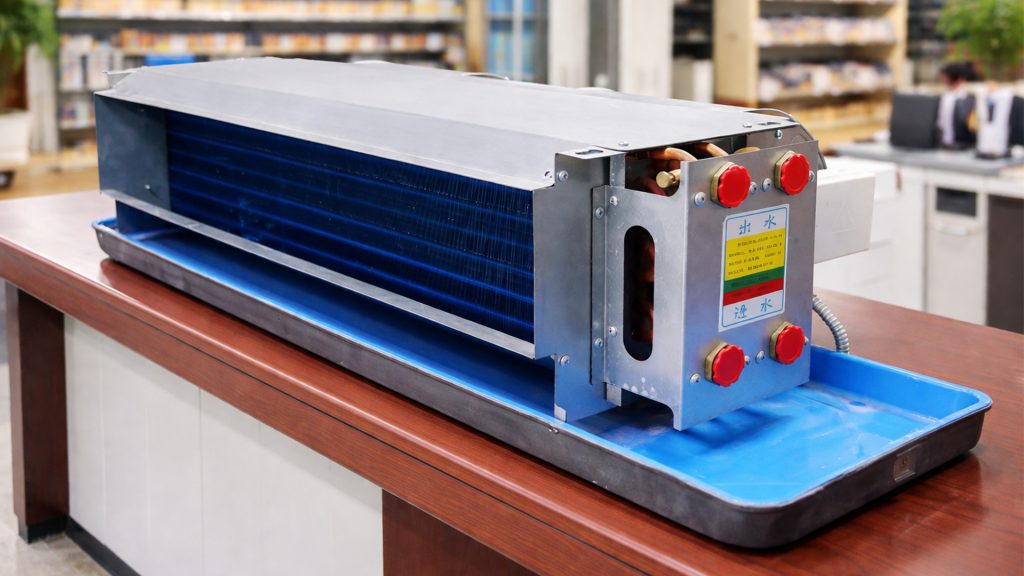
Transform Your Space With a Fan Coil Unit I remember walking into a stunning boutique hotel last summer. It was blazing hot outside, but the moment I stepped into my room, a perfectly gentle, cool breeze welcomed me. It was not blasting aggressively like a typical air conditioner, nor was it noisy. It was just a quiet, invisible blanket of comfort! I immediately looked around to see where that delightful air was coming from. That was my first real experience paying attention to a truly high-quality Fan Coil Unit! Have you ever wondered how large buildings, luxury hotels, or modern offices maintain such perfect, customized temperatures in every single room? It is not magic, though it certainly feels like it! It comes down to brilliant engineering and selecting the right equipment. Today, we are going to dive into the incredibly exciting world of these clever cooling and heating devices! I am going to share exactly why they are so fantastic, how to choose the right professional partner, and why investing in top-tier brands makes all the difference. By the end of this guide, you will know everything you need to create your own perfectly comfortable oasis! The Magic Behind the Fan Coil Unit Let’s break down exactly what this equipment does! Simply put, a Fan Coil Unit is a wonderful device that uses a coil and a fan to heat or cool a room without needing to connect to complicated ductwork. Hot or cold water runs from a central plant right into the unit. Then, the fan blows air over the coil, pushing that beautifully conditioned air directly into your space! Because each unit operates independently, you get ultimate control over your local temperature. Imagine having a massive office building where the sunny side needs serious cooling, but the shaded side actually needs a little bit of warmth. With a dedicated Fan Coil Unit in each specific zone, everyone gets to set their own perfect temperature! No more fighting over a single central thermostat. It is absolutely amazing to experience! Plus, skipping the bulky ductwork saves a massive amount of ceiling space, giving you higher ceilings and a much more elegant room design. How to Find an Amazing FCU supplier You simply cannot walk into a basic hardware store and grab one of these advanced systems off the shelf. You need a dedicated, highly knowledgeable professional! Finding a great FCU supplier is honestly the most important step in your entire project. So, what should you look for? First, an exceptional FCU supplier will actually take the time to visit your property and understand your exact needs. They should ask you about your daily operations, your building layout, and your ultimate comfort goals! If they just hand you a random price sheet without asking questions, I highly recommend looking elsewhere. Furthermore, a top-notch FCU supplier will offer comprehensive solutions, not just equipment drop-offs. You want a partner who handles everything from supply and installation to testing and ongoing maintenance. Working with true experts ensures that your system is designed flawlessly from day one, saving you so much time, money, and stress down the road! Knowing When to Buy FCU Unit Upgrades Are you dealing with an older building that feels stuffy, loud, or unevenly cooled? It might be the perfect time to upgrade your system! When you decide to buy FCU unit replacements, you instantly breathe new life into your property. I always tell my friends that investing in modern climate control is one of the smartest decisions you can make. Older equipment wastes a shocking amount of electricity and breaks down constantly. When you buy FCU unit upgrades, you get access to whisper-quiet motors and incredibly efficient energy usage. Your monthly utility bills will drop noticeably, and your daily comfort will absolutely skyrocket! Make sure you do not wait until the middle of a massive heatwave to buy FCU unit replacements. Planning ahead gives you the luxury of exploring different designs, comparing models, and scheduling an installation that does not disrupt your daily life. It is all about proactive, stress-free planning! Discovering the Best Brands for Your Space When it comes to climate control, quality absolutely matters. You want equipment that runs flawlessly day after day, year after year! Let’s look at two of my absolute favorite brands on the market right now. First up, we have the incredible Euroklimat FCU! If you value top-tier European engineering and a deep commitment to environmental sustainability, you will love this brand. A Euroklimat FCU is famous for its stunningly quiet operation and brilliant energy efficiency. They use highly advanced materials that resist corrosion, making them incredibly durable. Choosing a Euroklimat FCU means you are investing in long-lasting, eco-friendly luxury! Then, of course, we have the legendary Daikin FCU! Daikin is an absolute powerhouse in the climate control industry. A Daikin FCU offers some of the smartest digital controls available anywhere. They are designed to seamlessly integrate with massive building management systems, allowing facility managers to monitor performance from a single computer screen! Plus, the sheer variety of designs available for a Daikin FCU means you can find the perfect fit for any architectural style, from rustic exposed ceilings to ultra-modern concealed setups. The Total Package with Workman Services Creating a truly safe and comfortable building goes way beyond just blowing cold air. It requires a holistic, complete approach! This is exactly why partnering with a company like Workman Services is so incredibly beneficial. Not only do they provide phenomenal HVAC solutions, but they are also absolute experts in life safety! While they are carefully designing your beautiful new climate control layout, they can seamlessly integrate top-of-the-line fire fighting supply, alarms, and suppression systems. How wonderful is that? You get to enjoy your perfectly chilled room knowing that your entire building is completely protected against emergencies. Workman Services has built a brilliant reputation on 100% customer satisfaction. They handle everything with incredible care, from helping you select the perfect Fan Coil Unit
Maximizing Efficiency with Trane DX Fan Coil Units: A Complete Guide
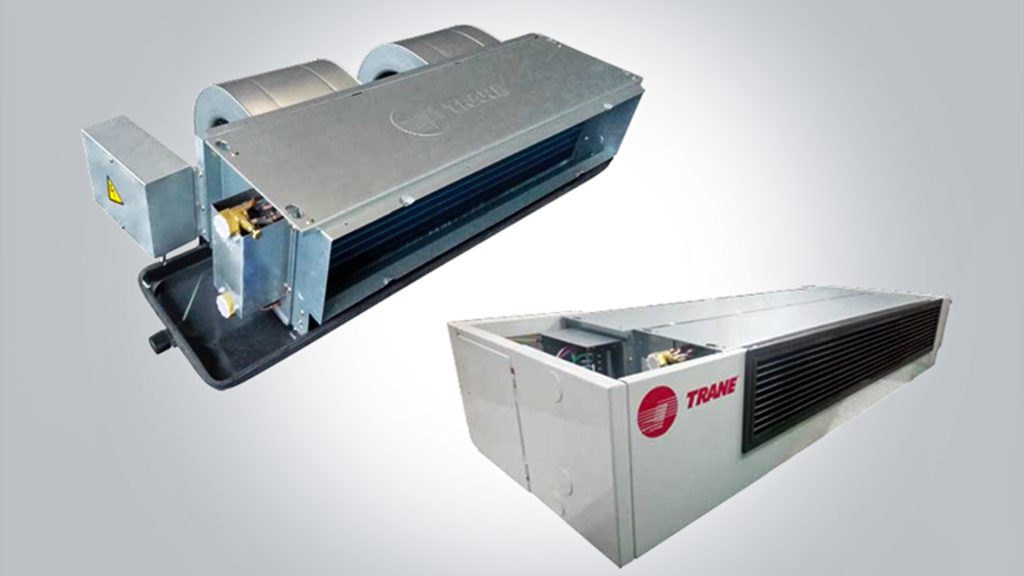
Maximizing Efficiency with Trane DX Fan Coil Units: A Complete Guide In the realm of commercial and residential HVAC solutions, few names carry the weight and reputation of Trane. Known for reliability, innovation, and superior performance, Trane’s equipment is often the first choice for engineers and facility managers. Among their extensive lineup, trane dx fan coil units stand out as a versatile and efficient solution for climate control. Whether you are retrofitting an older building or designing a new high-rise, understanding the capabilities of these units is essential for ensuring optimal indoor air quality and comfort. This guide explores the technology behind these systems, why the trane fan and coil combination is so effective, and how specific configurations like the trane vertical fan coil can solve unique architectural challenges. At Workman Services, we specialize in helping you select, install, and maintain the right HVAC infrastructure for your specific needs. Understanding the Power of Trane DX Fan Coil Units At its core, a Direct Expansion (DX) fan coil unit is a heat exchanger that uses a refrigerant directly in the coil to cool or heat the air. Unlike chilled water systems that require a separate chiller and pumps, trane dx fan coil units connect directly to a condensing unit or heat pump. This direct heat transfer method is highly efficient and offers rapid temperature control. The engineering behind trane dx fan coil units focuses on minimizing energy consumption while maximizing airflow and heat transfer. These units are designed to operate quietly and reliably, making them ideal for environments where noise control is critical, such as hotels, hospitals, and luxury apartments. By choosing a robust system like this, building owners can significantly reduce their long-term operational costs while providing a superior environment for occupants. The Synergy of Trane Fan and Coil Technology The effectiveness of any HVAC unit lies in the harmony between its components. The trane fan and coil design is the result of decades of research and development. Trane engineers have optimized the aerodynamics of the fan to deliver high static pressure with minimal noise, while the coil geometry is designed to maximize surface area for efficient heat exchange. When you invest in a trane fan and coil system, you aren’t just buying parts; you are buying an integrated solution. The synergy ensures that the motor doesn’t overwork, extending the lifespan of the unit. Furthermore, the trane fan and coil assembly is constructed with durability in mind, featuring corrosion-resistant materials that stand up to humid environments and rigorous daily use. This reliability is why Workman Services confidently recommends Trane equipment for critical applications. Vertical Solutions for Modern Spaces Space is a premium in modern architecture. Developers and architects are constantly looking for ways to maximize usable floor area without compromising on mechanical services. This is where the trane vertical fan coil shines. Designed to fit into tight spaces, such as furred-in columns or closets, these units provide powerful conditioning without occupying valuable square footage. A trane vertical fan coil is particularly well-suited for perimeter zones in office buildings or individual rooms in hospitality settings. They offer the flexibility of floor-mounting while easily blending into the interior design. The vertical configuration aids in natural convection and allows for efficient ducting strategies that distribute air evenly throughout the space. The Versatility of Trane Vertical Fan Coil Units Expanding on the vertical concept, the broader category of trane vertical fan coil units includes various models tailored to different performance requirements. Some are designed for exposed installation with sleek cabinetry, while others are meant to be concealed behind walls. One of the key advantages of trane vertical fan coil units is their serviceability. Because they are often floor-mounted or installed low on the wall, maintenance teams can access filters, motors, and controls easily without the need for ladders or scaffolding. This ease of access encourages regular maintenance, which is crucial for the longevity of trane dx fan coil units. At Workman Services, we find that facilities utilizing trane vertical fan coil units often report lower maintenance labor costs due to this accessibility. High-Rise Efficiency: Trane Vertical Stack Fan Coil For multi-story buildings like hotels, dormitories, and apartment complexes, the trane vertical stack fan coil is a game-changer. This “stack” design allows units to be installed one on top of the other, sharing a common riser system for piping and electrical connections. This significantly reduces installation time and material costs compared to running individual lines to every room. The trane vertical stack fan coil system is pre-engineered for consistency. It minimizes the footprint required in each room, often occupying a small corner that can be easily drywall-encased. Despite their compact nature, a trane vertical stack fan coil delivers robust performance, ensuring that guests on the top floor experience the same comfort as those on the ground floor. Why Choose Trane DX Systems? Choosing the right HVAC system is a balance of performance, cost, and longevity. Here is why trane dx fan coil units remain a top contender: Energy Efficiency: Direct expansion systems eliminate the intermediate step of chilling water, reducing energy loss. Scalability: You can easily add more units as a building expands or needs change. Individual Control: DX systems allow for precise zoning, meaning unoccupied rooms don’t need to be conditioned. Reliability: Trane’s rigorous testing ensures these units perform in extreme conditions. Whether you opt for a standard horizontal unit or a specialized trane vertical stack fan coil, the underlying quality remains consistent. Comparing Trane Fan Coil Configurations To help you navigate the options, we have compiled a comparison of common Trane fan coil configurations available through Workman Services. Feature Horizontal Concealed Vertical Console Vertical Stack Installation Location Ceiling void / false ceiling Floor / Low wall Vertical column / Riser Space Efficiency High (uses ceiling space) Medium (uses floor space) Very High (minimized footprint) Maintenance Access Difficult (requires ladder/panel) Easy (front panel access) Easy (slide-out chassis) Best Application Offices, Retail, Open Plans Classrooms, Lobbies Hotels, Apartments, Dorms Noise Level Very Low Low
Maximizing Comfort and Efficiency: The Ultimate Guide to the FCU
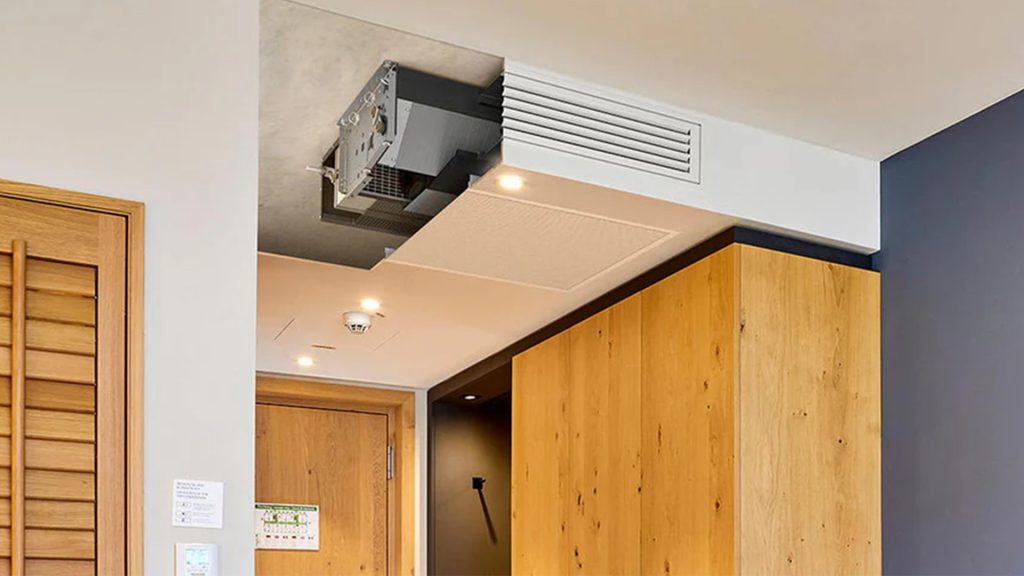
Maximizing Comfort and Efficiency: The Ultimate Guide to the FCU In the intricate world of heating, ventilation, and air conditioning (HVAC), selecting the right equipment is pivotal for ensuring comfort and energy efficiency. While large centralized systems like Air Handling Units (AHUs) often get the spotlight for managing entire buildings, the FCU (Fan Coil Unit) plays an equally critical role in localized climate control. Whether you are managing a hotel, an office complex, or a luxury residence, understanding the capabilities of a fan coil unit is essential for creating a comfortable environment. This comprehensive guide will delve into what an fcu is, why it is a preferred choice for many modern buildings, and the factors you need to consider before making a purchase. We will also explore the landscape of finding a reliable fcu supplier and navigating the market to buy FCU in Pakistan. What is an FCU and How Does it Work? An fcu, or Fan Coil Unit, is a simple yet effective device consisting primarily of a heat exchanger (coil) and a fan. It is part of an HVAC system found in residential, commercial, and industrial buildings. Unlike large AHUs that are often connected to ductwork supplying multiple rooms, an fcu is typically responsible for conditioning the air in a specific room or zone. The operation is straightforward: the fan draws air from the indoor space into the unit, passes it over the coil (which contains either hot or chilled water supplied by a central boiler or chiller), and then pushes the conditioned air back into the room. This localized approach allows for precise temperature control, meaning occupants in different rooms can adjust their settings to their personal preference without affecting the entire building. Because of its versatility and effectiveness, the fcu has become a staple in modern construction projects where individual zone control is mandatory. Why Choose a Fan Coil Unit System? When designing an HVAC system, engineers often weigh the benefits of various setups. The popularity of the fcu stems from several distinct advantages: Individual Zone Control: This is the most significant benefit. In a hotel, for instance, one guest may prefer a cooler room while another prefers it warmer. An fcu system accommodates both simultaneously. Energy Efficiency: By conditioning only occupied spaces, you avoid the energy waste associated with cooling or heating empty rooms. Flexibility in Installation: These units come in various configurations—ceiling-mounted, floor-standing, or wall-mounted—allowing them to fit into diverse architectural designs. Lower Initial Cost: Compared to complex VAV (Variable Air Volume) systems, the infrastructure for fan coil units is often simpler and less expensive to install. Navigating the Market to Buy an FCU Unit When you decide to buy fcu unit systems for a project, you are investing in the long-term comfort of the building’s occupants. However, the process involves more than just picking a model from a catalog. You must consider the specific requirements of your space, including the cooling load, available space for installation, and acoustic requirements. One of the first things project managers look at is the fcu unit price. While budget is always a concern, it is crucial to remember that the initial cost is just one part of the equation. A lower upfront price might come with higher operating costs due to inefficiency or frequent maintenance needs. Therefore, when evaluating the fcu unit price, always consider the Total Cost of Ownership (TCO), which includes energy consumption and maintenance expenses over the unit’s lifespan. Types of FCUs: Finding the Right Fit To make an informed decision when you buy fcu unit hardware, you need to understand the different types available. Here is a comparison to help you choose the right configuration for your needs. FCU Type Description Best Application Key Advantage Ceiling Concealed Installed above a false ceiling with only grilles visible. Hotels, luxury apartments, offices. aesthetically pleasing; hidden from view; quiet operation. Cassette FCU Mounts flush with the ceiling; air is distributed in multiple directions (usually 4-way). Open-plan offices, retail shops, restaurants. Excellent air distribution; easy to install in grid ceilings. Wall-Mounted Mounted high on the wall, similar to a split AC indoor unit. Retrofit projects, small offices, residential rooms. Easy installation; does not require false ceilings or ductwork. Floor-Standing Sits on the floor against a wall; often encased in a decorative cabinet. Lobbies, hallways, spaces with high glass walls. easy access for maintenance; effective for heating applications. Choosing the right type depends heavily on the architectural constraints and interior design of your building. A knowledgeable fcu supplier can assist in matching the right unit type to your specific spatial requirements. The Importance of a Reliable FCU Supplier The quality of the hardware is only as good as the support behind it. This is why selecting the right fcu supplier is critical. A reputable supplier does more than just sell boxes; they provide technical guidance, ensure timely delivery, and offer after-sales support. If you are looking to buy FCU in Pakistan, the market offers a range of options from international brands to local manufacturers. However, climatic conditions in Pakistan can be demanding, with extreme heat in the summer. You need an fcu supplier who understands these local challenges and can recommend units with adequate cooling capacity and robust insulation to prevent sweating and condensation issues. At Workman Services, we pride ourselves on being more than just a vendor. We partner with our clients to ensure that the fcu systems we provide are perfectly sized and specified for their unique projects. We understand that a reliable supply chain is vital for keeping construction projects on schedule. Factors Influencing the FCU Unit Price As mentioned earlier, the fcu unit price varies significantly based on several factors. Understanding these can help you budget more effectively. Capacity: Naturally, a unit with a higher CFM (Cubic Feet per Minute) and cooling capacity will cost more. Motor Type: Traditional AC motors are cheaper upfront, but modern EC (Electronically Commutated) motors are far more energy-efficient. While opting for EC motors increases the initial fcu