
Why Euroklimat HVAC is Your Best Cooling Solution
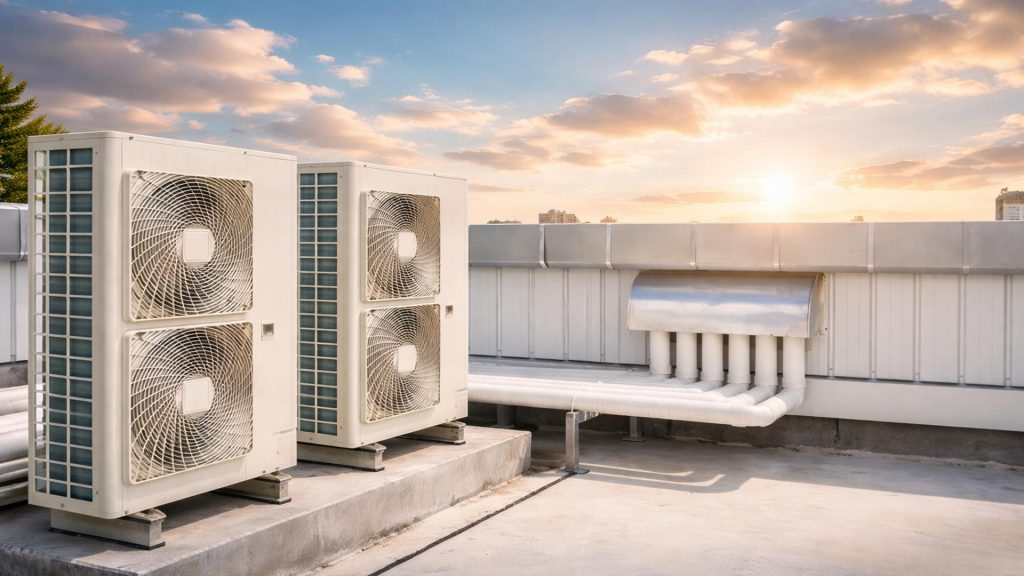
Why Euroklimat HVAC is Your Best Cooling Solution Finding the right climate control system can feel overwhelming. You need equipment that balances energy efficiency, consistent performance, and long-term reliability. Poorly designed cooling setups lead to high utility bills and uncomfortable indoor environments. If you want to avoid these costly mistakes, you need a system engineered for modern demands. This comprehensive guide breaks down everything you need to know about premium climate control systems. We will explore how specific units tackle different cooling challenges across commercial and industrial spaces. You will also learn why partnering with Workman Services guarantees flawless installation and maintenance for your facility. By the end of this article, you will understand exactly which units fit your specific architectural layout. We will cover everything from central air handlers to localized climate control systems. Let us dive into the technology that keeps your building perfectly comfortable year-round. Understanding Premium Climate Control Systems When you invest in commercial cooling, you want a brand that stands for durability. A well-engineered Euroklimat HVAC setup provides exactly that. These systems offer robust performance for hospitals, shopping malls, and large corporate offices. They utilize advanced compressor technology to minimize power consumption while maximizing output. Workman Services specializes in designing and implementing these complex networks. Our engineers assess your building’s thermal load to recommend the exact Euroklimat HVAC configuration you need. This tailored approach prevents you from overpaying for unnecessary capacity. It also ensures that every corner of your facility receives adequate airflow. Superior Comfort with Reliable Cooling Units Commercial spaces require consistent temperature management to keep occupants comfortable and productive. A high-quality Euroklimat AC system delivers rapid cooling even during peak summer months. These units feature smart sensors that adjust output based on real-time indoor conditions. You can easily integrate a Euroklimat AC setup into your existing building management network. This allows facility managers to monitor performance metrics and schedule preventive maintenance effectively. Workman Services provides full support for these units, ensuring they operate at peak efficiency from day one. When you choose a Euroklimat AC, you invest in a seamless, user-friendly cooling experience. Smart Energy Management for Large Buildings Variable Refrigerant Flow technology revolutionized how we cool multi-story buildings. A Euroklimat VRF system takes this innovation further by offering simultaneous heating and cooling capabilities. This means you can cool a server room while heating an executive office on the same floor. The modular design of a Euroklimat VRF network makes it incredibly easy to install, even in buildings with limited ceiling space. It reduces ductwork requirements, which lowers your initial installation costs significantly. Workman Services frequently recommends the Euroklimat VRF system for clients looking to drastically cut their monthly energy expenditures while maintaining precise zone control. Enhancing Indoor Air Quality for Commercial Spaces Temperature control is only half of the climate equation. Proper ventilation and air filtration are essential for maintaining a healthy indoor environment. Stagnant air leads to poor productivity and can even cause health issues for your employees. Advanced air handling and fan coil units solve this problem by continuously circulating and purifying the air. Our team at Workman Services understands the strict air quality regulations required for hospitals, cleanrooms, and large commercial venues. We supply and install heavy-duty ventilation equipment that meets international standards. Let us look at the specific components that make this possible. Industrial-Grade Air Handling Equipment For massive open spaces like manufacturing floors and auditoriums, you need serious airflow power. A Euroklimat AHU (Air Handling Unit) pushes massive volumes of conditioned air throughout your entire facility. These units come equipped with high-efficiency particulate filters that strip dust, allergens, and pollutants from the air stream. Workman Services customizes every Euroklimat AHU installation to match your specific ductwork layout. We ensure the unit operates quietly without causing disruptive vibrations. Maintaining a Euroklimat AHU is straightforward thanks to accessible filter panels and durable internal components. This heavy-duty equipment acts as the literal lungs of your building, keeping the environment fresh and safe. Precision Zoning for Individual Rooms While air handlers manage the big picture, localized units handle individual spaces. A Euroklimat FCU (Fan Coil Unit) gives room occupants direct control over their immediate environment. You typically find these units tucked away in drop ceilings of hotel rooms, individual offices, and apartment complexes. The beauty of a Euroklimat FCU lies in its compact size and whisper-quiet operation. It uses chilled water from a central plant to cool the air blowing into the room. Workman Services expertly calibrates each Euroklimat FCU to prevent condensation issues and ensure optimal airflow distribution. This localized approach guarantees that everyone stays comfortable without wasting energy on empty rooms. Product Features Comparison To help you decide which equipment best suits your project, we compiled a quick reference guide. This table breaks down the core functions and ideal applications for each major component. Product Category Primary Function Ideal Application Key Benefit Euroklimat HVAC Complete climate control Large commercial buildings Comprehensive energy efficiency Euroklimat AC Direct expansion cooling Retail stores, medium offices Fast cooling and easy integration Euroklimat VRF Zoned temperature management Multi-story buildings, hotels Simultaneous heating and cooling Euroklimat AHU Large-scale air distribution Hospitals, auditoriums, factories Superior air filtration and volume Euroklimat FCU Localized room cooling Individual offices, hotel rooms Quiet operation and compact size Why Choose Workman Services for Your Next Project Selecting the right equipment is only the first step. The success of your climate control strategy depends entirely on the quality of the installation. Workman Services brings over 18 years of specialized experience to your project. We handle everything from the initial thermal mapping to the final system commissioning. Our technicians undergo rigorous training to stay updated on the latest engineering practices. We do not just install your Euroklimat HVAC system; we optimize it for maximum longevity. Our preventive maintenance contracts ensure your equipment runs smoothly year after year, preventing expensive emergency breakdowns. We serve clients across Pakistan and the UAE, delivering projects on time and within budget. Whether you need a simple upgrade
Best Chiller Options for Commercial Cooling Systems
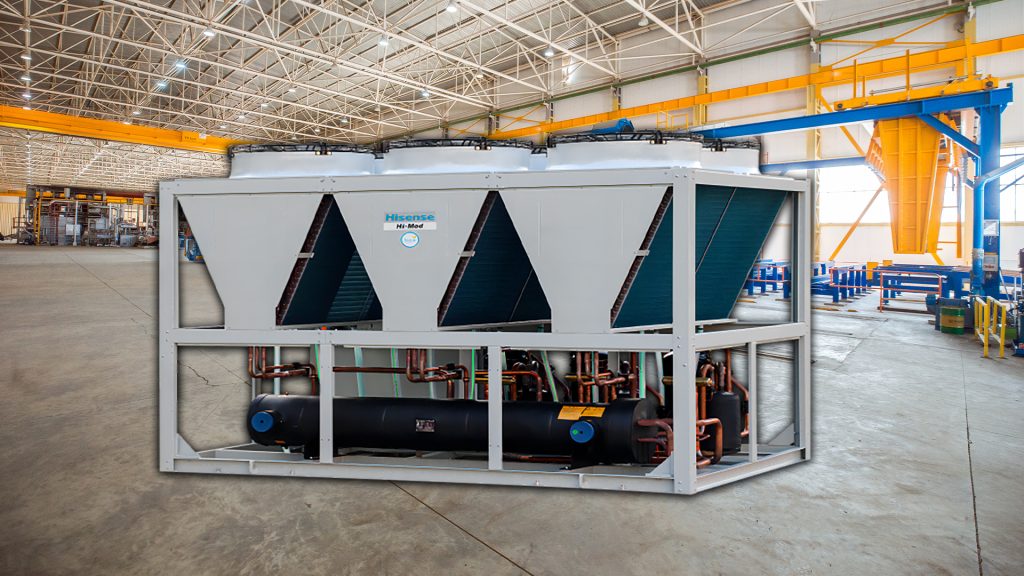
Best Chiller Options for Commercial Cooling Systems Businesses and large facilities require powerful temperature control. A standard split unit simply cannot handle massive indoor spaces. You need robust machinery to keep the environment comfortable and safe for occupants. We will explain how these massive cooling systems operate, their primary benefits, and proper maintenance protocols. You will also learn why Workman Services stands out as the premier provider for all your commercial HVAC needs. What is a Centralized Cooling Plant? A chiller AC is a specialized centralized system designed to remove heat from a liquid via a vapor-compression or absorption refrigeration cycle. This cooled liquid then circulates through complex piping networks to cool the air inside a large building. Instead of pushing cold air through extensive ductwork from one single point, the system pumps cold water to specific air handling units located throughout the facility. The Core Mechanics of Heat Exchange How exactly does a chiller air conditioner function on a daily basis? It relies on a continuous, closed-loop cycle of absorbing thermal energy from an internal space and expelling that heat outdoors. The equipment uses a specialized refrigerant gas to facilitate this rapid heat transfer. When you install an aircon chiller, you get a highly efficient mechanism that dramatically lowers water temperature. This freezing water flows directly to air handling units or fan coil units. Fans then blow ambient indoor air over these freezing coils, instantly dropping the room temperature before recirculating the freshly cooled air back into the workspace. Key Benefits of Installing a Heavy-Duty System Cost savings stand out as a major advantage for commercial property managers. Operating a massive chiller aircon reduces overall energy consumption compared to running dozens of individual wall-mounted units. Exceptional Energy Efficiency: Modern centralized units consume significantly less power per square foot of cooling. They utilize variable speed drives that adjust energy usage based on real-time demand. Long-Lasting Durability: Heavy-duty commercial cooling hardware lasts for decades. With proper professional care, these robust machines outperform standard residential units by years. Space Saving Design: Centralized equipment frees up valuable indoor real estate. The primary machinery sits on the roof or in a dedicated basement mechanical room. Water-Cooled vs Air-Cooled Chillers: Which is Best? When choosing the best chiller options for your facility, it’s important to weigh the advantages of both water-cooled and air-cooled chillers. Each type offers unique benefits depending on your application, space, and maintenance expectations. Water-cooled chillers are known for their exceptional efficiency and high-capacity cooling, making them the top choice for large industrial complexes, shopping malls, and facilities where cooling demand is significant and consistent. They use water from cooling towers, which allows for efficient heat removal and optimal performance even during the hottest months. With proper water treatment and regular maintenance, water-cooled chillers deliver long-term reliability and energy savings. Air-cooled chillers, on the other hand, provide a more flexible and straightforward solution, especially for medium-sized commercial buildings and offices. These systems use ambient outdoor air to dissipate heat, which means you won’t need a dedicated water source or cooling tower. Air-cooled chillers typically require less upfront infrastructure and are easier to install and maintain, making them ideal for facilities with space constraints or where water conservation is a priority. Your choice between a water-cooled or air-cooled system should consider the building’s size, environmental conditions, available resources, and your long-term energy goals. Both options represent the best in modern commercial cooling technology, ensuring efficiency, reliability, and comfort tailored to your unique needs. System Type Cooling Medium Best Application Energy Efficiency Maintenance Needs Water-Cooled Water via cooling towers Large industrial plants and huge malls Extremely High Requires regular tower cleaning and water treatment Air-Cooled Ambient Outdoor Air Medium commercial buildings and offices High Lower than water-based units; simple coil cleaning Absorption Heat Source (Steam/Gas) Facilities with excess industrial waste heat Very High Specialized upkeep and unique engineering required When evaluating your property’s options, remember that a water-cooled chiller AC generally offers better overall efficiency for massive architectural complexes. However, an air-cooled chiller air conditioner requires far less supporting infrastructure because it completely eliminates the need for a rooftop cooling tower. Why Choose Workman Services for Your HVAC Needs? Finding the right installation partner matters just as much as buying the actual equipment. Workman Services operates as the ultimate destination for purchasing and maintaining these complex thermal systems. Established in 2006, the company boasts over 18 years of specialized, hands-on experience in advanced mechanical services and fire fighting solutions. Whether you need a brand new aircon chiller for a sprawling hospital campus or a high-end retail center, Workman Services delivers unmatched engineering quality. We partner exclusively with top-tier international brands to guarantee peak performance. Our certified technicians handle absolutely everything, from the initial architectural design phase to final system commissioning. If you want a perfectly calibrated chiller aircon, our dedicated team provides tailored, site-specific solutions that match your exact engineering specifications. The Professional Installation Process Proper installation heavily dictates the eventual lifespan of your commercial cooling hardware. The process always begins with a comprehensive, on-site structural assessment. Mechanical engineers calculate the exact thermal load required to keep the building completely comfortable during peak summer months. After selecting the perfect chiller, the installation team mounts the heavy machinery using specialized cranes. They carefully connect the intricate piping networks, weld the joints, and seamlessly integrate the digital electrical controls. Testing forms a highly critical part of the setup. Technicians run multiple diagnostic tests to ensure the new chiller AC operates at peak capacity without any hidden refrigerant leaks or water flow restrictions. Comprehensive Maintenance and Upkeep Regular preventative maintenance prevents catastrophic and costly breakdowns. Facility managers must schedule strict, periodic inspections for every chiller air conditioner on the property. Professional technicians will routinely check volatile refrigerant levels, chemically clean the condenser tubes, and verify all digital sensor accuracy. A neglected, poorly maintained aircon chiller consumes excess municipal electricity and utterly fails to cool the building effectively. Preventative care saves money and dramatically extends the equipment’s
The Complete Guide to Advanced Climate Control for Modern Buildings
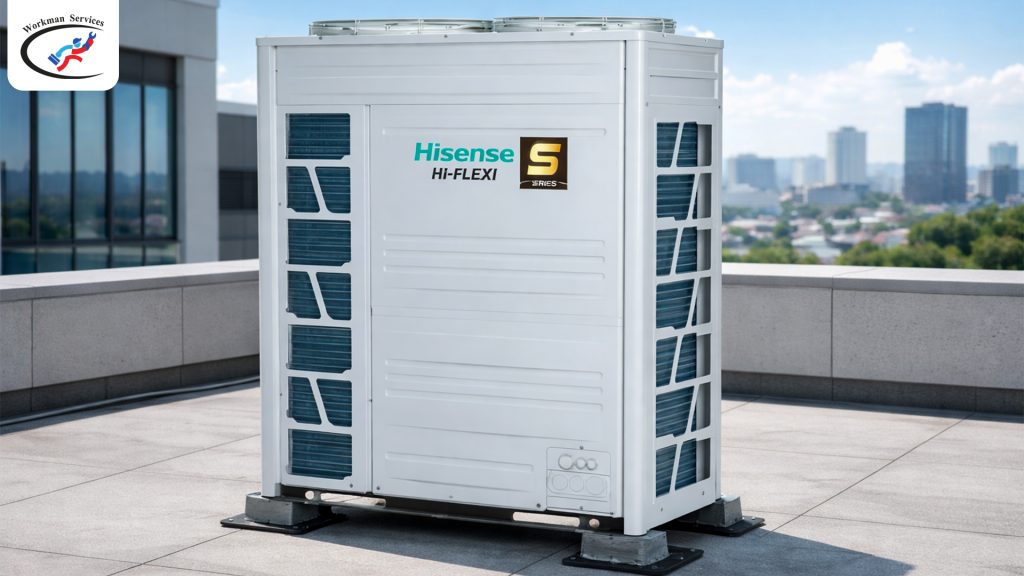
The Complete Guide to Advanced Climate Control for Modern Buildings In the sweltering heat of Lahore or the arid climate of Abu Dhabi, reliable air conditioning isn’t just a luxury—it’s a survival necessity. Traditional cooling methods often struggle to balance comfort with energy bills. If you manage a large commercial space, a hospital, or a luxury villa, you might notice that standard split units just don’t cut it, and massive central systems can be overkill for partial usage. This is where advanced climate technology steps in. Specifically, we are talking about the technology that has revolutionized energy efficiency in modern construction. At Workman Services, we have spent over 18 years mastering the art of cooling, and we believe the future of comfortable living lies in intelligent air distribution. What is a VRF System? Variable Refrigerant Flow technology is a sophisticated method of air conditioning that circulates only the minimum amount of refrigerant needed during a single heating or cooling period. This mechanism allows you to individually control several air conditioning zones at one time. Unlike conventional systems that simply turn on and off completely, these systems feature inverter compressors that can operate at varying speeds. This means the system works only as hard as needed to maintain the desired temperature, resulting in substantial energy savings. For building owners, this technology offers a modular design. You can connect multiple indoor units to a single outdoor unit. This reduces the footprint on your roof or ground level while maximizing the cooling potential inside. How It Works The magic lies in the name: Variable Refrigerant Flow. The system controls the amount of refrigerant flowing to the multiple evaporators (indoor units), enabling the use of many evaporators of differing capacities and configurations connected to a single condensing unit. This arrangement provides an individualized comfort level, and simultaneous heating and cooling in different zones. Why Choose a VRF System HVAC Setup? When you install a vrf system hvac solution, you are investing in precision. Here is why architects and engineers across Pakistan and the UAE are shifting towards this technology. 1. Superior Energy Efficiency Energy costs in commercial buildings can be astronomical. A standard VRF ac setup minimizes ductwork energy losses, which are estimated to account for 30% of energy consumption in central air conditioning. Because the system varies its speed rather than stopping and starting, it consumes much less electricity. 2. Zoning Capabilities Imagine a large office building. The conference room is packed with people and needs heavy cooling. The executive office is empty. The server room needs constant cold air. A vrf system hvac installation handles all these needs simultaneously. You don’t waste money cooling empty rooms, and every occupant controls their own environment. 3. Quiet Operation The noisy compressor unit is located outside, often far away from the occupied spaces. The indoor units are designed to be whisper-quiet, making them perfect for environments like hospitals and luxury apartments where silence is golden. 4. Aesthetic Flexibility Whether you prefer sleek wall-mounted units, concealed ducted units, or ceiling cassettes, the hardware is versatile. It blends seamlessly into the interior design without the bulky ductwork required by older systems. Comparing Cooling Giants: VRF vs. Chiller A common dilemma for facility managers is choosing between a Chiller system and a VRF setup. Both are powerful, but they serve different needs. A Chiller uses water to transport heat, while VRF uses refrigerant. Here is a breakdown to help you decide which is right for your project. Feature VRF System Chiller System Cooling Medium Refrigerant Water Energy Efficiency High (Inverter technology) Moderate to High (depends on load) Space Requirement Compact outdoor units Requires large plant room/roof space Installation Complexity Moderate (Refrigerant piping) High (Pumps, towers, piping) Maintenance Minimal routine checks Requires specialized, frequent maintenance Best For Offices, Hotels, Luxury Homes Mega-malls, Large Industrial Plants Zoning Control Excellent (Room by room) Good (Zone by zone) If you are running a massive industrial plant, a Chiller might still be the standard. However, for most commercial buildings, high-end residences, and mixed-use developments, the flexibility of Variable Refrigerant Flow technology often wins. Workman Services: Your Cooling Partners At Workman Services, we don’t just sell boxes; we design comfort. Established in 2006, we have grown from a local service provider to a multinational expert in HVAC and fire safety. We understand that installing a VRF ac is a significant investment. That is why our process involves detailed planning and coordination. Our Expertise We specialize in: Design & Planning: We calculate the exact thermal load of your building to recommend the right system size. Installation: Our certified technicians ensure piping is leak-proof and insulation is perfect. Maintenance: We offer comprehensive after-sales support to keep your system running for decades. Where We Operate Our footprint spans key regions where climate control is critical: Lahore: M1 Bara Tower, 36 Queens Road Abid Market. Rawalpindi: Satellite Town. Faisalabad: Muhammad Nagar Satiana Road. UAE: Musaffah M-26, Abu Dhabi. Whether you are looking for a Chiller for a factory or a vrf system hvac for a boutique hotel, our 300+ satisfied clients and 25 years of industry experience speak for themselves. Installation and Maintenance Best Practices Getting the most out of your Variable Refrigerant Flow system requires professional handling. Precise Installation The refrigerant piping network is the lifeline of the system. Unlike water pipes, refrigerant lines must be installed with extreme precision to handle high pressures. Workman Services employs technicians who are specifically trained in these complex installations. Poor installation can lead to refrigerant leaks, which destroys efficiency and harms the environment. Regular Maintenance While these systems are robust, they are not maintenance-free. To ensure longevity: Clean Filters: Clogged filters restrict airflow and strain the system. Check Refrigerant Levels: Low levels indicate leaks and reduce cooling power. Inspect Electrical Connections: Inverter boards are sensitive and need tight, clean connections. The Future of Cooling is Smart As we move toward smarter cities and greener buildings, the adaptability of the VRF platform becomes even more valuable. These systems can now
Hisense VRF Supply and Installation: Complete HVAC Solution
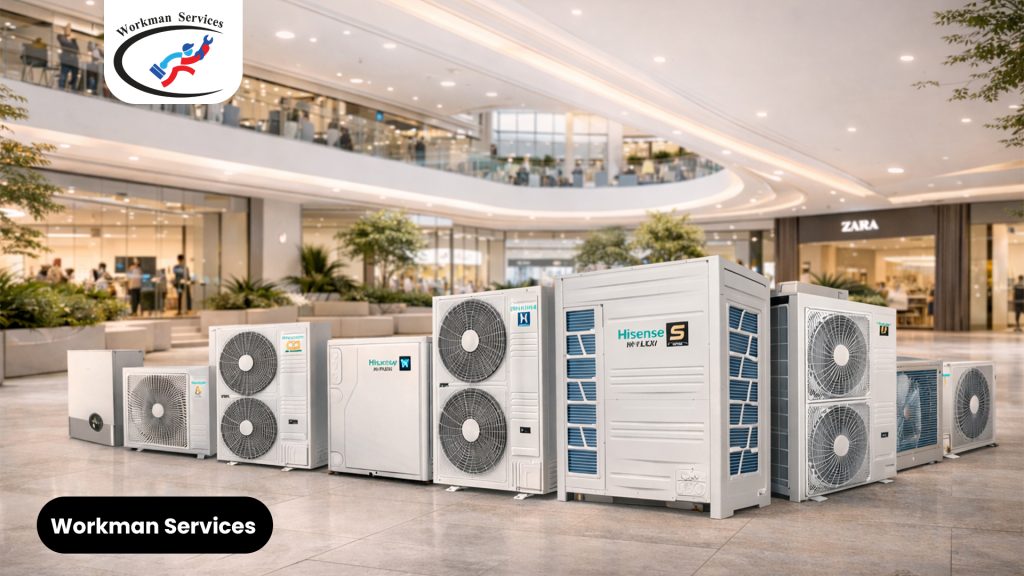
Hisense VRF Supply and Installation: Complete HVAC Solution Modern architecture demands smart climate control. Whether you are constructing a luxury villa in Lahore or managing a high-rise office in the UAE, the need for efficient cooling is universal. This is where Variable Refrigerant Flow (VRF) technology changes the game. At Workman Services, we specialize in Hisense VRF supply and installation, offering a seamless experience from the initial design phase to final commissioning. Since 2006, we have established ourselves as a trusted name in the HVAC industry. We understand that a complete HVAC solution isn’t just about buying a unit; it’s about engineering comfort. This guide explores why Hisense VRF systems are a top choice for energy efficiency and how our VRF Installation Services ensure your system performs at its peak for years to come. Why Choose Hisense VRF Systems? When selecting an air conditioning system for large spaces, efficiency and reliability are paramount. vrf hisense technology stands out in the crowded HVAC market for several compelling reasons. Superior Energy Efficiency Hisense VRF systems utilize advanced inverter technology. This allows the compressor to vary its speed based on the cooling demand of each specific zone. Unlike traditional systems that simply cycle on and off—wasting massive amounts of energy—Hisense units adjust power consumption precisely. This can lead to energy savings of up to 50% compared to conventional chillers or ducted split systems. Zoning Capabilities One of the biggest advantages of Hisense VRF supply is the ability to control multiple indoor units with a single outdoor unit. You can heat one room while cooling another, or turn off specific zones entirely when they aren’t in use. This granular control is perfect for hotels, hospitals, and large office complexes where occupancy rates vary throughout the day. Quiet Operation Noise pollution is a significant concern in both residential and corporate environments. Hisense engineers have designed their VRF outdoor units to operate with minimal vibration and noise, ensuring that your comfort doesn’t come at the cost of peace and quiet. Our Professional VRF Installation Services Installing a VRF system is complex. It requires precise calculation of pipe lengths, accurate refrigerant charging, and sophisticated control wiring. Poor installation is the leading cause of VRF system failure. That is why trusting professional VRF Installation Services is non-negotiable. The Workman Services Process Site Survey & Design: Our team of engineers visits your site (whether in Lahore, Rawalpindi, or the UAE) to assess heat load requirements. We design a piping layout that minimizes refrigerant loss and maximizes efficiency. Equipment Selection: We guide you through the Hisense VRF supply catalog to choose indoor units that match your interior design—be it wall-mounted, cassette, or concealed duct types. Precision Installation: Our certified technicians handle the copper piping work with extreme care. We use nitrogen purging during brazing to prevent oxidation inside the pipes, a critical step often skipped by amateur installers. Pressure Testing & Vacuuming: Before releasing refrigerant, we pressure test the system to ensure there are no leaks. We then create a deep vacuum to remove moisture, which is the enemy of any HVAC compressor. Commissioning: Finally, we power up the system, configure the central controls, and monitor performance parameters to ensure everything is running within Hisense specifications. By choosing our VRF Installation Services, you are protecting your investment and ensuring warranty validity. Understanding the Full Scope of Hisense VRF Supply When we talk about Hisense VRF supply, we are referring to a vast ecosystem of products designed to fit any architectural constraint. Workman Services provides the full range of equipment necessary for a robust system. Outdoor Units We supply high-capacity outdoor units that can handle extreme temperatures, ensuring your building stays cool even during the peak of Pakistan’s summer. These units are compact, saving valuable rooftop or ground space. Indoor Units The versatility of vrf hisense systems lies in the variety of indoor units available: 4-Way Cassettes: Ideal for open offices and retail spaces with false ceilings. Concealed Ducted Units: Perfect for luxury homes and hotels where the AC unit should be heard but not seen. Wall Mounted Units: A cost-effective solution for smaller rooms or retrofitting existing buildings. Control Systems A complete HVAC solution includes smart controls. We supply central controllers that allow facility managers to monitor the entire building from a single interface. You can set schedules, lock temperatures, and even monitor energy usage per tenant. Commercial vs. Residential Applications Hisense VRF installation is versatile enough for diverse applications. However, the requirements for a home differ significantly from a factory or shopping mall. Residential Comfort For luxury villas in areas like DHA Lahore, homeowners prioritize aesthetics and silence. We often recommend concealed duct units that hide behind the ceiling, leaving only elegant linear grills visible. The zoning feature allows families to keep bedrooms cool at night while reducing energy use in the living areas. Commercial Robustness In commercial settings like the projects we’ve handled for brands like Sapphire, McDonald’s, and Outfitters, the priority is reliability and load management. A commercial vrf hisense system must handle high foot traffic and heat generated by lighting and equipment. Our designs ensure that even if one indoor unit requires maintenance, the rest of the system continues to operate, ensuring zero downtime for your business. The Workman Services Advantage: 18+ Years of Excellence Why should you trust Workman Services with your Hisense VRF installation? The answer lies in our track record. Established in 2006, we have over 18 years of experience in the HVAC & R industry. We are not just a service provider; we are partners in your project’s success. With locations in Lahore, Rawalpindi, Faisalabad, and Abu Dhabi (UAE), our reach is extensive. We have successfully completed over 300 projects, serving prestigious clients across the retail, healthcare, and industrial sectors. Our team comprises experienced designers, qualified sales engineers, and certified technicians who are deeply familiar with the nuances of VRF Installation Services. When you work with us, you get the assurance of quality, safety, and innovation. Comparison: VRF vs. Traditional HVAC
Comprehensive Guide to Hisense T3 Inverter AC in Pakistan
Comprehensive Guide to Hisense T3 Inverter AC in Pakistan As a leading provider of advanced mechanical services for over 18 years, Workman Services understands the unique climate challenges faced by homes and businesses in Pakistan. When summer temperatures soar, you need a cooling solution that delivers unwavering performance without inflating your energy bills. That is why we proudly recommend the Hisense T3 Inverter AC, an air conditioner engineered specifically for high-ambient environments. This unit is more than just an appliance; it’s a testament to robust engineering designed to provide consistent comfort when you need it most. While standard air conditioners falter in extreme heat, the Hisense T3 technology ensures your space remains a cool oasis. This guide will explore why this specific model is the superior choice for both residential and commercial applications, combining durability with exceptional energy efficiency. What is a Hisense T3 Inverter AC and Why Does it Matter? Before diving into the specifics of the Hisense model, it’s crucial to understand the technology that sets it apart. The “T” in T3 refers to the climate class an AC compressor is designed for. Most standard air conditioners in the market are T1, built to operate efficiently in moderate climates up to 43°C. However, in regions like Pakistan where temperatures often exceed this, T1 compressors struggle, lose cooling power, and are prone to tripping. A T3 inverter air conditioner is built for extreme heat. Its compressor can maintain 100% cooling capacity even when outdoor temperatures climb to 55°C or higher. Paired with inverter technology, which adjusts compressor speed based on demand instead of shutting on and off, the result is a powerful yet highly efficient system. This combination ensures you get powerful cooling during peak heatwaves while enjoying significant energy savings. Hisense T3 Inverter AC: Features and Benefits The Hisense T3 Inverter AC is a masterclass in modern cooling technology. It is designed not only to perform but also to last, offering a suite of features that provide tangible benefits to users. At Workman Services, we value solutions that deliver long-term value, and this machine fits that criteria perfectly. Key Advantages: Unmatched High-Ambient Performance: The core strength is its T3 compressor, which guarantees powerful cooling even on the hottest days. You no longer have to worry about your AC underperforming during a heatwave. Superior Energy Efficiency: With its full DC inverter technology, this Hisense AC can reduce energy consumption by up to 60-70% compared to traditional non-inverter models. It cools the room quickly and then operates at a very low power state to maintain the temperature. Durability and Longevity: Hisense incorporates Gold Fin anti-corrosion coating on the condenser and evaporator coils. This protective layer shields the unit from humidity, salty air, and other environmental corrosives, extending its lifespan and maintaining efficiency. Stable Low-Voltage Operation: Power fluctuations are a common problem. This T3 inverter air conditioner is engineered to start and run smoothly on voltages as low as 150V, protecting it from damage and reducing the need for an external stabilizer. Quiet and Smart Operation: Modern design ensures the indoor unit operates at a whisper-quiet level. Many models also come with Wi-Fi control, allowing you to manage your home’s climate from anywhere using your smartphone. Technical Specifications at a Glance To give you a clear overview, here is a comparison of the typical specifications found across the Hisense T3 Inverter AC range. Feature Specification Compressor Type Full DC Rotary Inverter with T3 Climate Class Operating Temperature Up to 55°C-60°C without loss of performance Available Capacities 1.0 Ton, 1.5 Ton, 2.0 Ton Energy Savings Up to 70% compared to non-inverter models Refrigerant Gas Eco-friendly R410A or R32 Voltage Range 150V – 260V Coil Protection Gold Fin Anti-Corrosion Technology Air Filtration Multi-stage filters for dust, pollen, and allergens Smart Features Wi-Fi enabled controls, Auto-Clean, i-Feel Mode Perfect for Every Space: Hisense T3 Inverter AC for Residential and Commercial Applications Workman Services provides HVAC solutions for a diverse range of sectors, from luxury villas to large industrial units. The versatility of Hisense cooling systems makes them an ideal choice for nearly any project. For Your Home For residential use, the Hisense T3 Inverter AC offers the perfect blend of comfort and cost savings. Its quiet operation ensures it won’t disturb your peace, while its advanced air filtration systems help create a healthier indoor environment for your family. Whether you need to cool a small bedroom or a large living area, there is a Hisense model that fits your needs perfectly. For Your Business: The Hisense Commercial AC Range Commercial spaces have demanding cooling requirements. From office buildings and retail stores to hospitals and manufacturing units, reliable climate control is essential for productivity and customer comfort. The Hisense commercial ac range includes robust solutions like cassette units, ductable systems, and VRF (Variable Refrigerant Flow) technology built on the same T3 principles. The Hisense commercial ac range is designed for scalability and efficiency. VRF systems, for example, allow a single outdoor unit to connect to multiple indoor units, each with independent temperature control. This is ideal for office buildings or hotels. For open-plan spaces like showrooms or restaurants, cassette units offer 4-way airflow for even temperature distribution. The reliability of the Hisense commercial ac range ensures your business operations continue smoothly, even in extreme weather. How to Buy Your Hisense T3 Inverter AC Online with Workman Services In today’s digital world, convenience is key. Workman Services has made it simple to purchase the ideal cooling system for your needs. When you decide to buy a Hisense T3 inverter AC online, our platform provides a seamless and trustworthy experience. Why choose Workman Services? Expert Consultation: We don’t just sell products; we provide solutions. Our team of qualified engineers will help you select the right capacity and model for your space to ensure optimal performance. Guaranteed Authenticity: As authorized dealers for top brands, we guarantee that every Hisense AC you purchase is 100% genuine and comes with the full manufacturer’s warranty. Professional Installation: Proper installation is
The Art of MEP Project Management: Building the Veins of Modern Infrastructure

The Art of MEP Project Management: Building the Veins of Modern Infrastructure A building is more than just concrete and glass; it is a living organism powered by complex systems. Just as a body relies on its nervous, circulatory, and respiratory systems, a modern structure relies on Mechanical, Electrical, and Plumbing (MEP) engineering. Bringing these critical components together seamlessly requires expert MEP project management. Without it, construction projects face delays, budget overruns, and operational inefficiencies that can plague a building for its entire lifespan. At Workman Services, we understand that successful construction isn’t just about erecting walls—it’s about making the building breathe, light up, and function. This guide explores the critical role of management in MEP engineering and how the right approach ensures success for complex commercial and industrial projects. Why MEP Project Management is the Backbone of Construction The construction industry has evolved. Buildings are smarter, greener, and more interconnected than ever before. In this landscape, MEP project management is not merely a support function; it is the central nervous system of the construction process. It involves planning, organizing, and controlling the mechanical, electrical, and plumbing elements of a project from conception to handover. Effective MEP project management ensures that these three disciplines—often designed by different teams—integrate perfectly. If the ductwork clashes with the electrical trays, or if the plumbing lines obstruct structural beams, the cost to rectify these issues on-site is astronomical. A robust management strategy identifies these clashes in the design phase, long before the first pipe is laid. Delivering the Right MEP Solution for Large Building Projects The scale of a project significantly alters the approach. Designing a home is vastly different from engineering a skyscraper or a hospital. An MEP solution for large building projects requires a deep understanding of load calculations, energy modeling, and sustainability standards. When implementing an MEP solution for large building developments, the focus shifts to scalability and redundancy. For instance, a high-rise cannot rely on a single water pump; it needs a complex network of booster pumps and gravity tanks. Similarly, the HVAC system must be zoned intricately to handle varying solar heat gains on different sides of the tower. Our approach at Workman Services is to treat the MEP solution for large building projects as an integrated ecosystem. We ensure that the heat generated by electrical systems is accounted for in the cooling load, and that water systems are designed with leak detection and conservation in mind. This holistic view is the only way to deliver an MEP solution for large building infrastructure that is both resilient and efficient. The Vital Role of the MEP Project Coordinator While the project manager oversees the high-level strategy, the mep project coordinator is the tactician on the ground. This role is the linchpin of daily operations. An mep project coordinator bridges the gap between the design office and the construction site, ensuring that the drawings translate correctly into reality. The responsibilities of an mep project coordinator include: Clash Detection: ensuring physical space is allocated for all services. Schedule Alignment: Making sure the electrician doesn’t arrive before the walls are framed. Quality Control: Verifying that materials match the specifications. Without a skilled mep project coordinator, information silos develop. The plumbers might not talk to the electricians, leading to conflicts that halt progress. By facilitating constant communication, the mep project coordinator ensures that the workflow remains fluid and that every trade understands their specific timeline and spatial constraints. Optimizing the MEP System for Commercial Building Efficiency Commercial real estate is driven by ROI, and nothing eats into profits like inefficient utilities. An optimized MEP system for commercial building usage is essential for keeping operational costs low and tenant satisfaction high. Designing an MEP system for commercial building environments involves predicting usage patterns. An office block has different peak loads than a shopping mall. We utilize smart technologies and Building Management Systems (BMS) to create an MEP system for commercial building applications that reacts to real-time data. This might mean dimming lights automatically when the sun is bright or reducing fresh air intake when occupancy sensors show a meeting room is empty. Ultimately, a well-designed MEP system for commercial building projects increases the asset value. Green certifications like LEED or BREEAM rely heavily on MEP performance. By focusing on energy efficiency and occupant health, we help developers create premium spaces that command higher market rates. The Advantage of MEP Turnkey Projects For many developers, the fragmentation of contractors is a major headache. This is where mep turnkey projects offer a streamlined alternative. In this model, a single entity—like Workman Services—takes full responsibility for the design, procurement, installation, and commissioning of all MEP works. MEP turnkey projects reduce risk for the client. There is no finger-pointing between the design consultant and the installation contractor because they are on the same team. This unified responsibility leads to faster decision-making and a more cohesive final product. Choosing mep turnkey projects also simplifies the financial aspect. With a single point of contact, budget tracking becomes transparent, and scope creep is easier to manage. We specialize in delivering mep turnkey projects that take the burden off the client, allowing them to focus on their core business while we handle the technical complexities. Key Challenges in MEP Project Management Even the best-planned projects face hurdles. Professional MEP project management is defined by how these challenges are navigated. Coordination with Structure: MEP systems often have to route through tight ceiling voids or structural beams. Using Building Information Modeling (BIM) allows us to visualize these routes in 3D, resolving conflicts virtually. Supply Chain Issues: Delays in equipment delivery can stall the entire site. Experienced managers procure long-lead items early to mitigate this risk. Regulatory Compliance: Building codes change frequently. Ensuring every aspect of the project meets local safety and environmental standards is a constant vigil. By anticipating these issues, our MEP project management teams keep projects on track, ensuring safety and quality are never compromised. Comparison of MEP Project Delivery Models To
Choosing a VRF AC Supplier: A Guide to Next-Generation Climate Control
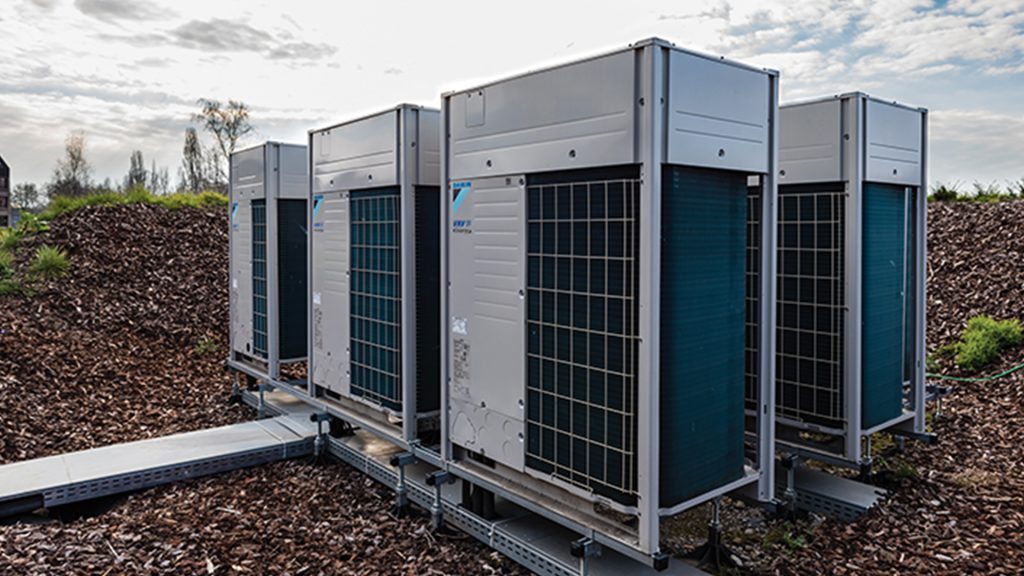
Choosing a VRF AC Supplier: A Guide to Next-Generation Climate Control Modern buildings demand sophisticated solutions for heating, ventilation, and air conditioning. As energy efficiency and personalized comfort become top priorities for facility managers and homeowners, traditional HVAC systems are often outmatched. This is where Variable Refrigerant Flow (VRF) technology comes into play, offering unparalleled efficiency and scalability. However, the system is only as good as the team that designs and installs it. Choosing the right VRF AC supplier is the most critical decision in your journey toward a smarter climate control solution. At Workman Services, we specialize in deploying these advanced systems. This comprehensive guide will explain the technology, outline the benefits, and help you understand what to look for when you’re ready to make a vrf buy. Demystifying the Technology: What is VRF? Before you can choose a supplier, it’s essential to understand the product. So, what is vrf? VRF stands for Variable Refrigerant Flow. Unlike traditional systems that circulate chilled water or push a constant volume of air, VRF systems use refrigerant as the cooling and heating medium. A single outdoor condensing unit connects to multiple indoor units, each capable of individual temperature control. The “variable” part is the key. The system modulates the amount of refrigerant sent to each indoor unit based on its specific need. This means a conference room can be cooled while an adjacent, unoccupied office receives no conditioning, saving tremendous amounts of energy. This technology answers the question, “what is vrf,” by showcasing its intelligence and efficiency. It’s a leap forward from the one-size-fits-all approach of older HVAC systems. The Advantages of a VRF System Why is VRF technology becoming the standard for commercial buildings, hotels, and luxury residences? The benefits are clear: Superior Energy Efficiency: By running at partial loads and only conditioning occupied spaces, VRF systems can reduce energy consumption by up to 40% compared to conventional systems. Zoned Comfort: Occupants can set their preferred temperature for their specific zone, eliminating “thermostat wars” and improving overall comfort and productivity. Quiet Operation: The main noise-producing components are located in the outdoor unit. The indoor units are whisper-quiet, making them ideal for noise-sensitive environments like hospitals, libraries, and bedrooms. Simultaneous Heating and Cooling: Advanced heat recovery VRF systems can take heat from a zone being cooled (like a server room) and transfer it to a zone that needs heating (like a perimeter office in winter). This “free” heating further boosts efficiency. Space-Saving Design: VRF systems typically require less ceiling space than traditional ducted systems and eliminate the need for large mechanical rooms. Understanding these advantages is the first step. The next is finding a qualified VRF AC supplier to bring them to life. Finding the Right Partner: What to Look for in a VRF AC Supplier The complexity of VRF technology means that installation is not a job for a general HVAC technician. It requires specialized training and tools. Your choice of VRF AC supplier will directly impact the performance, reliability, and lifespan of your system. Here’s what to look for: Certified Expertise: The supplier should have factory-certified technicians for the brands they carry. This certification proves they have undergone rigorous training on design, installation, and service. Design Capabilities: A top-tier vrf supplier won’t just sell you boxes. They will have an in-house engineering team that performs detailed load calculations and creates a custom design for your building’s unique needs. Proven Track Record: Ask for a portfolio of past projects and client references. An experienced vrf supplier will have a history of successful installations in buildings similar to yours. Comprehensive Service: The relationship shouldn’t end after installation. Look for a VRF AC supplier that offers robust maintenance plans and responsive emergency service. This ensures your investment is protected for the long haul. Workman Services meets all these criteria, positioning us as a leading VRF AC supplier for clients who demand excellence. Understanding the Factors Behind the VRF AC Price When you decide to vrf buy, budgeting is a primary concern. The vrf ac price is influenced by several key factors, and it’s important to consider the total cost of ownership rather than just the initial quote. System Type (Heat Pump vs. Heat Recovery): A standard heat pump VRF system can provide either heating or cooling to all zones at one time. A heat recovery system, which allows for simultaneous heating and cooling, is more complex and comes with a higher upfront vrf ac price, but it offers greater energy savings in diverse environments. Building Size and Complexity: The number of indoor units, the total length of refrigerant piping, and the difficulty of the installation all impact the final cost. Brand and Features: Premium brands with advanced controls and higher SEER (Seasonal Energy Efficiency Ratio) ratings will naturally have a different price point than more basic models. Labor and Design Costs: The expertise required for proper VRF design and installation is a significant component of the overall vrf ac price. Cutting corners here with a less qualified vrf supplier is a recipe for future problems. While the initial vrf ac price may be higher than some alternatives, the long-term energy savings and reduced maintenance often result in a lower total cost over the system’s life. Navigating Your VRF Buy: A Step-by-Step Process Making a vrf buy is a significant investment. A professional vrf supplier will guide you through a structured process to ensure a successful outcome. Consultation and Assessment: The process begins with a thorough discussion of your needs and a site survey to evaluate your building’s layout, insulation, and existing infrastructure. System Design: The engineering team will use software to model the building’s heat loads and design a system that matches capacity to demand perfectly. This step answers the “what is vrf” question in a practical sense, mapping out the solution. Proposal and Selection: You’ll receive a detailed proposal outlining the recommended equipment, installation plan, and transparent pricing. This is the point where you finalize your vrf buy. Installation and Commissioning:
Unlocking Superior Comfort: Discover the Power of Modern Climate Control Units
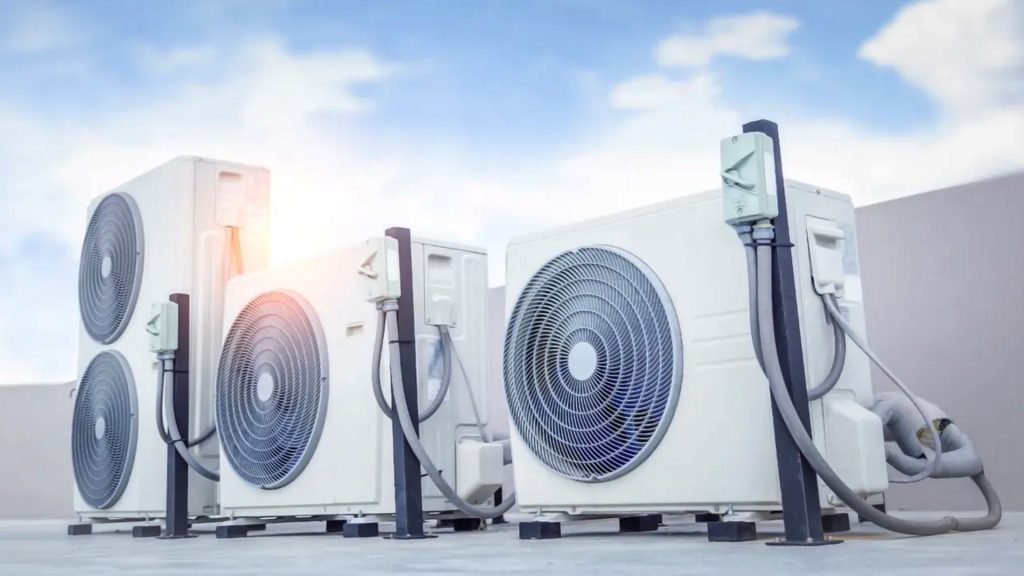
Experience the Next Level: How Climate Control Units Transform Your Space Are you looking to create the perfect indoor environment, no matter what the weather throws your way? Whether you manage a modern office, safeguard mission-critical data, or want superior residential comfort, a climate control unit could be the game-changer you need. Let’s take a journey through the innovative features, real-world benefits, and smart purchasing tips that will help you unlock the full potential of a climate control unit for your space. At Workman Services, we believe true comfort means much more than cool air on a hot day—it’s about seamless temperature balance, healthy air quality, and energy savings that benefit both you and the planet. Ready to discover what a climate control unit can do for you? Let’s dive in! What Makes a Climate Control Unit Stand Out? It’s not just another AC. Imagine a device that manages temperature, humidity, and air purity all at once—welcome to the world of the climate control unit. While a regular AC focuses mainly on cooling, a climate control unit masters the complete indoor climate with precision. For spaces with sensitive equipment or high-value materials, only a dedicated climate control unit offers the reliable performance needed. Fine-tuned control keeps your environment stable and can even guard against unexpected maintenance headaches down the road. Meet the Modern Climate Control AC Say goodbye to the days of on/off temperature swings. Today, the climate control ac uses smart inverter technology to automatically adjust compressor speed, delivering a smooth, steady climate and impressive energy savings. Shouldn’t your comfort be as smart as your home or business? But there’s more. A modern climate control ac protects your health with advanced air filtration, battling dust, allergens, and even bacteria. Clean, healthy air means fewer sick days and more productive, energized spaces—something every property owner can get behind! Why Your Building Deserves a Full Climate Control System Single-zone air conditioners can’t compete with a true climate control system. Imagine each area of your building—offices, lobbies, server rooms—enjoying custom climates, all centrally managed. That’s the magic of an integrated solution. Linking your climate control system with your Building Management System (BMS) is a pro move. This helps your facility team monitor performance, spot inefficiencies early, and plan maintenance before issues arise. Workman Services brings this expertise to every project, helping you make the smart choice for total comfort and operational ease. How to Choose the Right Climate Control AC Supplier Don’t trust your project to just anyone. The right climate control ac supplier will do much more than install hardware—they’ll partner with you from design to ongoing support. Look for suppliers who: Offer site evaluations and customized recommendations Handle installation with certified experts Provide comprehensive after-sales support and maintenance Understand your unique space and needs A reputable climate control ac supplier like Workman Services stands out for our hands-on approach and top-tier customer service, ensuring your investment serves you for years to come. What Influences the Climate Control AC Price? Worried about budget? The climate control ac price isn’t a simple sticker cost. Factors like unit size, advanced features, brand reputation, and installation complexity all affect your project. Here’s what you get for your investment: Capacity & Size – The right fit means better efficiency and comfort. Smart Features – Wi-Fi, zoning, advanced controls, and higher SEER ratings save energy. Trusted Brands – Better reliability and performance translate to fewer headaches. Installation Details – Simpler installs cost less, but custom solutions give you the perfect setup. We recommend viewing climate control ac price as an investment in future savings, efficiency, and hassle-free operation. Compare Climate Control Unit Types at a Glance Choosing the perfect system? This easy-to-read table breaks down popular options—from versatile split systems to cutting-edge VRF technology, each available from your trusted climate control ac supplier. Unit Type Best Application Key Advantage Efficiency Level Split System Homes, small offices Quiet, simple install High Cassette Unit Retail, open offices 360° airflow, compact design High Ducted Central System Large homes, office floors Hidden from view, powerful centralized control Medium to High Precision Air Conditioner (PAC) Data centers, labs Precise humidity & temperature control Very High VRF/VRV System Large multi-zone buildings Customizable zones, efficient year-round comfort Very High Let Workman Services help you match the right climate control unit to your needs—reach out for a personalized assessment. Smart Tech: The Brainpower of Today’s Climate Control System Why settle for guessing the best temperature? Today’s climate control system uses real-time data and artificial intelligence to learn your preferences and building usage patterns. Imagine a climate control ac that dials back when the office is empty or ramps up exactly when you need it most—all automatically. With remote monitoring and control right from your phone, managing comfort has never been easier. Maximize savings and ensure no room feels left out, thanks to intelligent climate control unit technologies. Installation and Maintenance: Ensuring Peak Performance Your climate control unit is only as good as its installation and upkeep. Work with certified professionals to guarantee proper setup, secure electrical connections, and sealed ductwork. Poor installations can lead to higher costs and early unit failure. Scheduled maintenance is key: regular filter changes, coil cleaning, and system checks keep your climate control system running like new. Choosing a climate control ac supplier offering thorough support is a winning strategy. The Future of Indoor Comfort—With Workman Services Driven by innovation and sustainability, Workman Services champions next-generation climate control unit solutions. As energy standards change and technology races ahead, count on us to guide you to efficient, eco-friendly climate comfort—tailored to your unique environment. Balancing project cost, features, and long-term value, our team ensures your path to a better indoor climate is smooth from start to finish. Upgrade to a modern system and enjoy remarkable difference in everyday comfort. Frequently Asked Questions (FAQ) 1. What sets a climate control unit apart from a regular AC? A climate control unit precisely manages temperature, humidity, and air quality—far beyond what basic ACs
Maximizing Efficiency with Trane DX Fan Coil Units: A Complete Guide
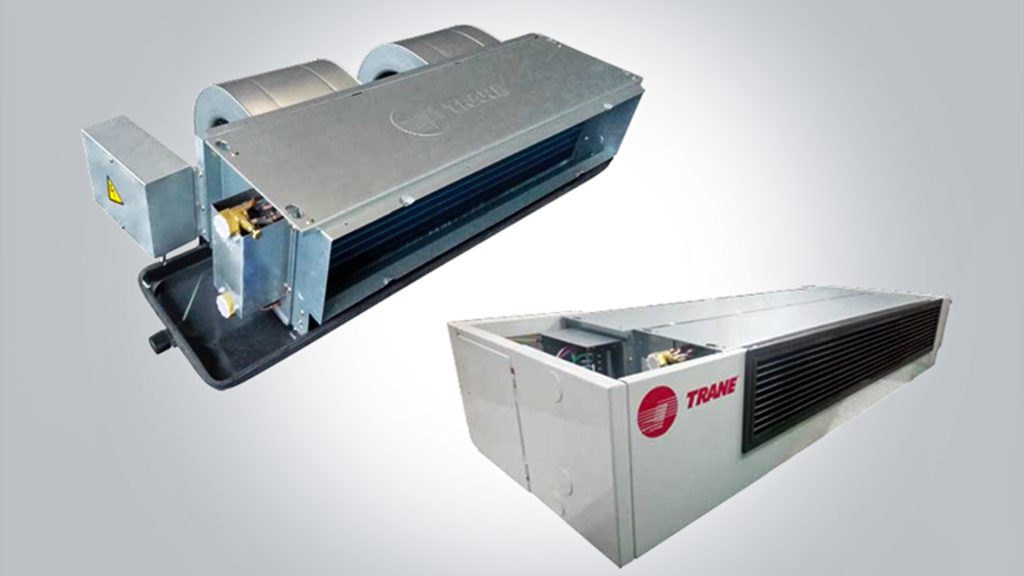
Maximizing Efficiency with Trane DX Fan Coil Units: A Complete Guide In the realm of commercial and residential HVAC solutions, few names carry the weight and reputation of Trane. Known for reliability, innovation, and superior performance, Trane’s equipment is often the first choice for engineers and facility managers. Among their extensive lineup, trane dx fan coil units stand out as a versatile and efficient solution for climate control. Whether you are retrofitting an older building or designing a new high-rise, understanding the capabilities of these units is essential for ensuring optimal indoor air quality and comfort. This guide explores the technology behind these systems, why the trane fan and coil combination is so effective, and how specific configurations like the trane vertical fan coil can solve unique architectural challenges. At Workman Services, we specialize in helping you select, install, and maintain the right HVAC infrastructure for your specific needs. Understanding the Power of Trane DX Fan Coil Units At its core, a Direct Expansion (DX) fan coil unit is a heat exchanger that uses a refrigerant directly in the coil to cool or heat the air. Unlike chilled water systems that require a separate chiller and pumps, trane dx fan coil units connect directly to a condensing unit or heat pump. This direct heat transfer method is highly efficient and offers rapid temperature control. The engineering behind trane dx fan coil units focuses on minimizing energy consumption while maximizing airflow and heat transfer. These units are designed to operate quietly and reliably, making them ideal for environments where noise control is critical, such as hotels, hospitals, and luxury apartments. By choosing a robust system like this, building owners can significantly reduce their long-term operational costs while providing a superior environment for occupants. The Synergy of Trane Fan and Coil Technology The effectiveness of any HVAC unit lies in the harmony between its components. The trane fan and coil design is the result of decades of research and development. Trane engineers have optimized the aerodynamics of the fan to deliver high static pressure with minimal noise, while the coil geometry is designed to maximize surface area for efficient heat exchange. When you invest in a trane fan and coil system, you aren’t just buying parts; you are buying an integrated solution. The synergy ensures that the motor doesn’t overwork, extending the lifespan of the unit. Furthermore, the trane fan and coil assembly is constructed with durability in mind, featuring corrosion-resistant materials that stand up to humid environments and rigorous daily use. This reliability is why Workman Services confidently recommends Trane equipment for critical applications. Vertical Solutions for Modern Spaces Space is a premium in modern architecture. Developers and architects are constantly looking for ways to maximize usable floor area without compromising on mechanical services. This is where the trane vertical fan coil shines. Designed to fit into tight spaces, such as furred-in columns or closets, these units provide powerful conditioning without occupying valuable square footage. A trane vertical fan coil is particularly well-suited for perimeter zones in office buildings or individual rooms in hospitality settings. They offer the flexibility of floor-mounting while easily blending into the interior design. The vertical configuration aids in natural convection and allows for efficient ducting strategies that distribute air evenly throughout the space. The Versatility of Trane Vertical Fan Coil Units Expanding on the vertical concept, the broader category of trane vertical fan coil units includes various models tailored to different performance requirements. Some are designed for exposed installation with sleek cabinetry, while others are meant to be concealed behind walls. One of the key advantages of trane vertical fan coil units is their serviceability. Because they are often floor-mounted or installed low on the wall, maintenance teams can access filters, motors, and controls easily without the need for ladders or scaffolding. This ease of access encourages regular maintenance, which is crucial for the longevity of trane dx fan coil units. At Workman Services, we find that facilities utilizing trane vertical fan coil units often report lower maintenance labor costs due to this accessibility. High-Rise Efficiency: Trane Vertical Stack Fan Coil For multi-story buildings like hotels, dormitories, and apartment complexes, the trane vertical stack fan coil is a game-changer. This “stack” design allows units to be installed one on top of the other, sharing a common riser system for piping and electrical connections. This significantly reduces installation time and material costs compared to running individual lines to every room. The trane vertical stack fan coil system is pre-engineered for consistency. It minimizes the footprint required in each room, often occupying a small corner that can be easily drywall-encased. Despite their compact nature, a trane vertical stack fan coil delivers robust performance, ensuring that guests on the top floor experience the same comfort as those on the ground floor. Why Choose Trane DX Systems? Choosing the right HVAC system is a balance of performance, cost, and longevity. Here is why trane dx fan coil units remain a top contender: Energy Efficiency: Direct expansion systems eliminate the intermediate step of chilling water, reducing energy loss. Scalability: You can easily add more units as a building expands or needs change. Individual Control: DX systems allow for precise zoning, meaning unoccupied rooms don’t need to be conditioned. Reliability: Trane’s rigorous testing ensures these units perform in extreme conditions. Whether you opt for a standard horizontal unit or a specialized trane vertical stack fan coil, the underlying quality remains consistent. Comparing Trane Fan Coil Configurations To help you navigate the options, we have compiled a comparison of common Trane fan coil configurations available through Workman Services. Feature Horizontal Concealed Vertical Console Vertical Stack Installation Location Ceiling void / false ceiling Floor / Low wall Vertical column / Riser Space Efficiency High (uses ceiling space) Medium (uses floor space) Very High (minimized footprint) Maintenance Access Difficult (requires ladder/panel) Easy (front panel access) Easy (slide-out chassis) Best Application Offices, Retail, Open Plans Classrooms, Lobbies Hotels, Apartments, Dorms Noise Level Very Low Low
Maximizing Comfort and Efficiency: The Ultimate Guide to the FCU
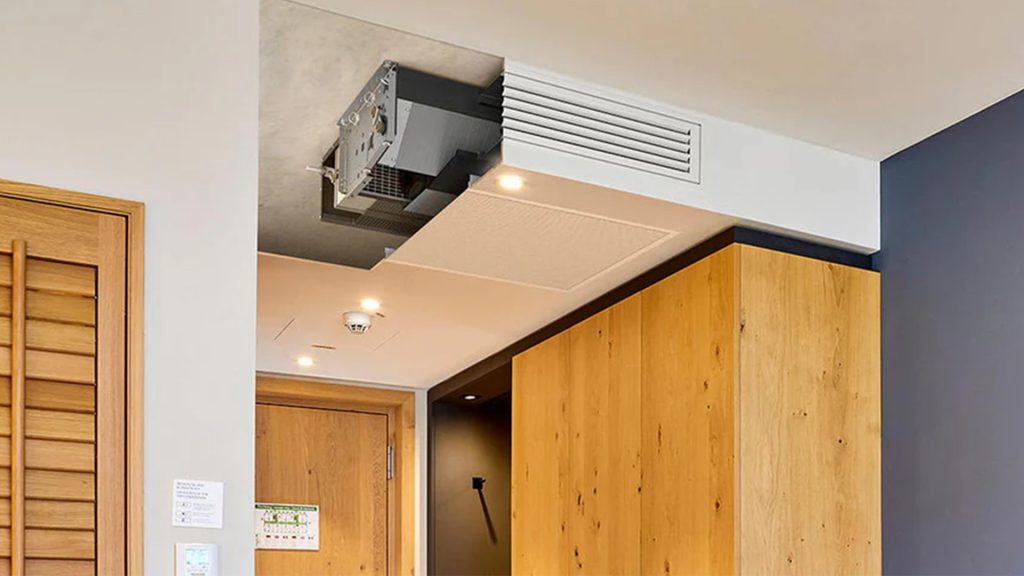
Maximizing Comfort and Efficiency: The Ultimate Guide to the FCU In the intricate world of heating, ventilation, and air conditioning (HVAC), selecting the right equipment is pivotal for ensuring comfort and energy efficiency. While large centralized systems like Air Handling Units (AHUs) often get the spotlight for managing entire buildings, the FCU (Fan Coil Unit) plays an equally critical role in localized climate control. Whether you are managing a hotel, an office complex, or a luxury residence, understanding the capabilities of a fan coil unit is essential for creating a comfortable environment. This comprehensive guide will delve into what an fcu is, why it is a preferred choice for many modern buildings, and the factors you need to consider before making a purchase. We will also explore the landscape of finding a reliable fcu supplier and navigating the market to buy FCU in Pakistan. What is an FCU and How Does it Work? An fcu, or Fan Coil Unit, is a simple yet effective device consisting primarily of a heat exchanger (coil) and a fan. It is part of an HVAC system found in residential, commercial, and industrial buildings. Unlike large AHUs that are often connected to ductwork supplying multiple rooms, an fcu is typically responsible for conditioning the air in a specific room or zone. The operation is straightforward: the fan draws air from the indoor space into the unit, passes it over the coil (which contains either hot or chilled water supplied by a central boiler or chiller), and then pushes the conditioned air back into the room. This localized approach allows for precise temperature control, meaning occupants in different rooms can adjust their settings to their personal preference without affecting the entire building. Because of its versatility and effectiveness, the fcu has become a staple in modern construction projects where individual zone control is mandatory. Why Choose a Fan Coil Unit System? When designing an HVAC system, engineers often weigh the benefits of various setups. The popularity of the fcu stems from several distinct advantages: Individual Zone Control: This is the most significant benefit. In a hotel, for instance, one guest may prefer a cooler room while another prefers it warmer. An fcu system accommodates both simultaneously. Energy Efficiency: By conditioning only occupied spaces, you avoid the energy waste associated with cooling or heating empty rooms. Flexibility in Installation: These units come in various configurations—ceiling-mounted, floor-standing, or wall-mounted—allowing them to fit into diverse architectural designs. Lower Initial Cost: Compared to complex VAV (Variable Air Volume) systems, the infrastructure for fan coil units is often simpler and less expensive to install. Navigating the Market to Buy an FCU Unit When you decide to buy fcu unit systems for a project, you are investing in the long-term comfort of the building’s occupants. However, the process involves more than just picking a model from a catalog. You must consider the specific requirements of your space, including the cooling load, available space for installation, and acoustic requirements. One of the first things project managers look at is the fcu unit price. While budget is always a concern, it is crucial to remember that the initial cost is just one part of the equation. A lower upfront price might come with higher operating costs due to inefficiency or frequent maintenance needs. Therefore, when evaluating the fcu unit price, always consider the Total Cost of Ownership (TCO), which includes energy consumption and maintenance expenses over the unit’s lifespan. Types of FCUs: Finding the Right Fit To make an informed decision when you buy fcu unit hardware, you need to understand the different types available. Here is a comparison to help you choose the right configuration for your needs. FCU Type Description Best Application Key Advantage Ceiling Concealed Installed above a false ceiling with only grilles visible. Hotels, luxury apartments, offices. aesthetically pleasing; hidden from view; quiet operation. Cassette FCU Mounts flush with the ceiling; air is distributed in multiple directions (usually 4-way). Open-plan offices, retail shops, restaurants. Excellent air distribution; easy to install in grid ceilings. Wall-Mounted Mounted high on the wall, similar to a split AC indoor unit. Retrofit projects, small offices, residential rooms. Easy installation; does not require false ceilings or ductwork. Floor-Standing Sits on the floor against a wall; often encased in a decorative cabinet. Lobbies, hallways, spaces with high glass walls. easy access for maintenance; effective for heating applications. Choosing the right type depends heavily on the architectural constraints and interior design of your building. A knowledgeable fcu supplier can assist in matching the right unit type to your specific spatial requirements. The Importance of a Reliable FCU Supplier The quality of the hardware is only as good as the support behind it. This is why selecting the right fcu supplier is critical. A reputable supplier does more than just sell boxes; they provide technical guidance, ensure timely delivery, and offer after-sales support. If you are looking to buy FCU in Pakistan, the market offers a range of options from international brands to local manufacturers. However, climatic conditions in Pakistan can be demanding, with extreme heat in the summer. You need an fcu supplier who understands these local challenges and can recommend units with adequate cooling capacity and robust insulation to prevent sweating and condensation issues. At Workman Services, we pride ourselves on being more than just a vendor. We partner with our clients to ensure that the fcu systems we provide are perfectly sized and specified for their unique projects. We understand that a reliable supply chain is vital for keeping construction projects on schedule. Factors Influencing the FCU Unit Price As mentioned earlier, the fcu unit price varies significantly based on several factors. Understanding these can help you budget more effectively. Capacity: Naturally, a unit with a higher CFM (Cubic Feet per Minute) and cooling capacity will cost more. Motor Type: Traditional AC motors are cheaper upfront, but modern EC (Electronically Commutated) motors are far more energy-efficient. While opting for EC motors increases the initial fcu