
The Art of MEP Project Management: Building the Veins of Modern Infrastructure

The Art of MEP Project Management: Building the Veins of Modern Infrastructure A building is more than just concrete and glass; it is a living organism powered by complex systems. Just as a body relies on its nervous, circulatory, and respiratory systems, a modern structure relies on Mechanical, Electrical, and Plumbing (MEP) engineering. Bringing these critical components together seamlessly requires expert MEP project management. Without it, construction projects face delays, budget overruns, and operational inefficiencies that can plague a building for its entire lifespan. At Workman Services, we understand that successful construction isn’t just about erecting walls—it’s about making the building breathe, light up, and function. This guide explores the critical role of management in MEP engineering and how the right approach ensures success for complex commercial and industrial projects. Why MEP Project Management is the Backbone of Construction The construction industry has evolved. Buildings are smarter, greener, and more interconnected than ever before. In this landscape, MEP project management is not merely a support function; it is the central nervous system of the construction process. It involves planning, organizing, and controlling the mechanical, electrical, and plumbing elements of a project from conception to handover. Effective MEP project management ensures that these three disciplines—often designed by different teams—integrate perfectly. If the ductwork clashes with the electrical trays, or if the plumbing lines obstruct structural beams, the cost to rectify these issues on-site is astronomical. A robust management strategy identifies these clashes in the design phase, long before the first pipe is laid. Delivering the Right MEP Solution for Large Building Projects The scale of a project significantly alters the approach. Designing a home is vastly different from engineering a skyscraper or a hospital. An MEP solution for large building projects requires a deep understanding of load calculations, energy modeling, and sustainability standards. When implementing an MEP solution for large building developments, the focus shifts to scalability and redundancy. For instance, a high-rise cannot rely on a single water pump; it needs a complex network of booster pumps and gravity tanks. Similarly, the HVAC system must be zoned intricately to handle varying solar heat gains on different sides of the tower. Our approach at Workman Services is to treat the MEP solution for large building projects as an integrated ecosystem. We ensure that the heat generated by electrical systems is accounted for in the cooling load, and that water systems are designed with leak detection and conservation in mind. This holistic view is the only way to deliver an MEP solution for large building infrastructure that is both resilient and efficient. The Vital Role of the MEP Project Coordinator While the project manager oversees the high-level strategy, the mep project coordinator is the tactician on the ground. This role is the linchpin of daily operations. An mep project coordinator bridges the gap between the design office and the construction site, ensuring that the drawings translate correctly into reality. The responsibilities of an mep project coordinator include: Clash Detection: ensuring physical space is allocated for all services. Schedule Alignment: Making sure the electrician doesn’t arrive before the walls are framed. Quality Control: Verifying that materials match the specifications. Without a skilled mep project coordinator, information silos develop. The plumbers might not talk to the electricians, leading to conflicts that halt progress. By facilitating constant communication, the mep project coordinator ensures that the workflow remains fluid and that every trade understands their specific timeline and spatial constraints. Optimizing the MEP System for Commercial Building Efficiency Commercial real estate is driven by ROI, and nothing eats into profits like inefficient utilities. An optimized MEP system for commercial building usage is essential for keeping operational costs low and tenant satisfaction high. Designing an MEP system for commercial building environments involves predicting usage patterns. An office block has different peak loads than a shopping mall. We utilize smart technologies and Building Management Systems (BMS) to create an MEP system for commercial building applications that reacts to real-time data. This might mean dimming lights automatically when the sun is bright or reducing fresh air intake when occupancy sensors show a meeting room is empty. Ultimately, a well-designed MEP system for commercial building projects increases the asset value. Green certifications like LEED or BREEAM rely heavily on MEP performance. By focusing on energy efficiency and occupant health, we help developers create premium spaces that command higher market rates. The Advantage of MEP Turnkey Projects For many developers, the fragmentation of contractors is a major headache. This is where mep turnkey projects offer a streamlined alternative. In this model, a single entity—like Workman Services—takes full responsibility for the design, procurement, installation, and commissioning of all MEP works. MEP turnkey projects reduce risk for the client. There is no finger-pointing between the design consultant and the installation contractor because they are on the same team. This unified responsibility leads to faster decision-making and a more cohesive final product. Choosing mep turnkey projects also simplifies the financial aspect. With a single point of contact, budget tracking becomes transparent, and scope creep is easier to manage. We specialize in delivering mep turnkey projects that take the burden off the client, allowing them to focus on their core business while we handle the technical complexities. Key Challenges in MEP Project Management Even the best-planned projects face hurdles. Professional MEP project management is defined by how these challenges are navigated. Coordination with Structure: MEP systems often have to route through tight ceiling voids or structural beams. Using Building Information Modeling (BIM) allows us to visualize these routes in 3D, resolving conflicts virtually. Supply Chain Issues: Delays in equipment delivery can stall the entire site. Experienced managers procure long-lead items early to mitigate this risk. Regulatory Compliance: Building codes change frequently. Ensuring every aspect of the project meets local safety and environmental standards is a constant vigil. By anticipating these issues, our MEP project management teams keep projects on track, ensuring safety and quality are never compromised. Comparison of MEP Project Delivery Models To
Choosing a VRF AC Supplier: A Guide to Next-Generation Climate Control
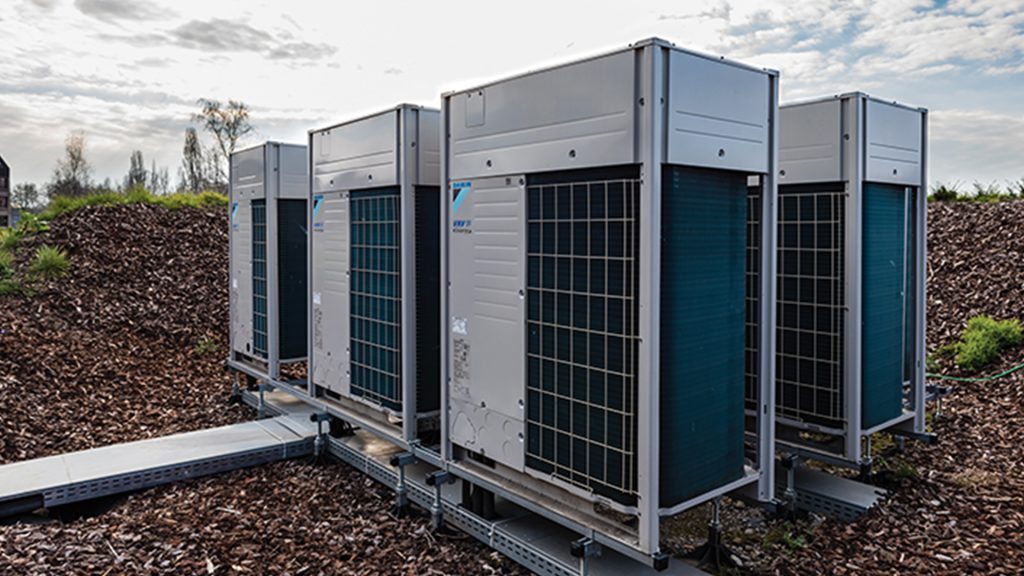
Choosing a VRF AC Supplier: A Guide to Next-Generation Climate Control Modern buildings demand sophisticated solutions for heating, ventilation, and air conditioning. As energy efficiency and personalized comfort become top priorities for facility managers and homeowners, traditional HVAC systems are often outmatched. This is where Variable Refrigerant Flow (VRF) technology comes into play, offering unparalleled efficiency and scalability. However, the system is only as good as the team that designs and installs it. Choosing the right VRF AC supplier is the most critical decision in your journey toward a smarter climate control solution. At Workman Services, we specialize in deploying these advanced systems. This comprehensive guide will explain the technology, outline the benefits, and help you understand what to look for when you’re ready to make a vrf buy. Demystifying the Technology: What is VRF? Before you can choose a supplier, it’s essential to understand the product. So, what is vrf? VRF stands for Variable Refrigerant Flow. Unlike traditional systems that circulate chilled water or push a constant volume of air, VRF systems use refrigerant as the cooling and heating medium. A single outdoor condensing unit connects to multiple indoor units, each capable of individual temperature control. The “variable” part is the key. The system modulates the amount of refrigerant sent to each indoor unit based on its specific need. This means a conference room can be cooled while an adjacent, unoccupied office receives no conditioning, saving tremendous amounts of energy. This technology answers the question, “what is vrf,” by showcasing its intelligence and efficiency. It’s a leap forward from the one-size-fits-all approach of older HVAC systems. The Advantages of a VRF System Why is VRF technology becoming the standard for commercial buildings, hotels, and luxury residences? The benefits are clear: Superior Energy Efficiency: By running at partial loads and only conditioning occupied spaces, VRF systems can reduce energy consumption by up to 40% compared to conventional systems. Zoned Comfort: Occupants can set their preferred temperature for their specific zone, eliminating “thermostat wars” and improving overall comfort and productivity. Quiet Operation: The main noise-producing components are located in the outdoor unit. The indoor units are whisper-quiet, making them ideal for noise-sensitive environments like hospitals, libraries, and bedrooms. Simultaneous Heating and Cooling: Advanced heat recovery VRF systems can take heat from a zone being cooled (like a server room) and transfer it to a zone that needs heating (like a perimeter office in winter). This “free” heating further boosts efficiency. Space-Saving Design: VRF systems typically require less ceiling space than traditional ducted systems and eliminate the need for large mechanical rooms. Understanding these advantages is the first step. The next is finding a qualified VRF AC supplier to bring them to life. Finding the Right Partner: What to Look for in a VRF AC Supplier The complexity of VRF technology means that installation is not a job for a general HVAC technician. It requires specialized training and tools. Your choice of VRF AC supplier will directly impact the performance, reliability, and lifespan of your system. Here’s what to look for: Certified Expertise: The supplier should have factory-certified technicians for the brands they carry. This certification proves they have undergone rigorous training on design, installation, and service. Design Capabilities: A top-tier vrf supplier won’t just sell you boxes. They will have an in-house engineering team that performs detailed load calculations and creates a custom design for your building’s unique needs. Proven Track Record: Ask for a portfolio of past projects and client references. An experienced vrf supplier will have a history of successful installations in buildings similar to yours. Comprehensive Service: The relationship shouldn’t end after installation. Look for a VRF AC supplier that offers robust maintenance plans and responsive emergency service. This ensures your investment is protected for the long haul. Workman Services meets all these criteria, positioning us as a leading VRF AC supplier for clients who demand excellence. Understanding the Factors Behind the VRF AC Price When you decide to vrf buy, budgeting is a primary concern. The vrf ac price is influenced by several key factors, and it’s important to consider the total cost of ownership rather than just the initial quote. System Type (Heat Pump vs. Heat Recovery): A standard heat pump VRF system can provide either heating or cooling to all zones at one time. A heat recovery system, which allows for simultaneous heating and cooling, is more complex and comes with a higher upfront vrf ac price, but it offers greater energy savings in diverse environments. Building Size and Complexity: The number of indoor units, the total length of refrigerant piping, and the difficulty of the installation all impact the final cost. Brand and Features: Premium brands with advanced controls and higher SEER (Seasonal Energy Efficiency Ratio) ratings will naturally have a different price point than more basic models. Labor and Design Costs: The expertise required for proper VRF design and installation is a significant component of the overall vrf ac price. Cutting corners here with a less qualified vrf supplier is a recipe for future problems. While the initial vrf ac price may be higher than some alternatives, the long-term energy savings and reduced maintenance often result in a lower total cost over the system’s life. Navigating Your VRF Buy: A Step-by-Step Process Making a vrf buy is a significant investment. A professional vrf supplier will guide you through a structured process to ensure a successful outcome. Consultation and Assessment: The process begins with a thorough discussion of your needs and a site survey to evaluate your building’s layout, insulation, and existing infrastructure. System Design: The engineering team will use software to model the building’s heat loads and design a system that matches capacity to demand perfectly. This step answers the “what is vrf” question in a practical sense, mapping out the solution. Proposal and Selection: You’ll receive a detailed proposal outlining the recommended equipment, installation plan, and transparent pricing. This is the point where you finalize your vrf buy. Installation and Commissioning:
Unlocking Superior Comfort: Discover the Power of Modern Climate Control Units
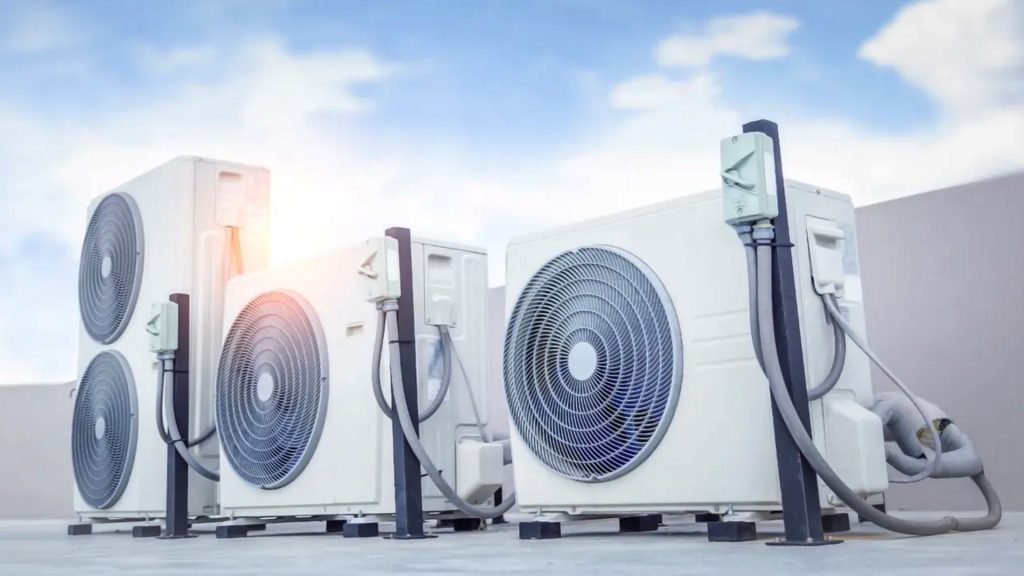
Experience the Next Level: How Climate Control Units Transform Your Space Are you looking to create the perfect indoor environment, no matter what the weather throws your way? Whether you manage a modern office, safeguard mission-critical data, or want superior residential comfort, a climate control unit could be the game-changer you need. Let’s take a journey through the innovative features, real-world benefits, and smart purchasing tips that will help you unlock the full potential of a climate control unit for your space. At Workman Services, we believe true comfort means much more than cool air on a hot day—it’s about seamless temperature balance, healthy air quality, and energy savings that benefit both you and the planet. Ready to discover what a climate control unit can do for you? Let’s dive in! What Makes a Climate Control Unit Stand Out? It’s not just another AC. Imagine a device that manages temperature, humidity, and air purity all at once—welcome to the world of the climate control unit. While a regular AC focuses mainly on cooling, a climate control unit masters the complete indoor climate with precision. For spaces with sensitive equipment or high-value materials, only a dedicated climate control unit offers the reliable performance needed. Fine-tuned control keeps your environment stable and can even guard against unexpected maintenance headaches down the road. Meet the Modern Climate Control AC Say goodbye to the days of on/off temperature swings. Today, the climate control ac uses smart inverter technology to automatically adjust compressor speed, delivering a smooth, steady climate and impressive energy savings. Shouldn’t your comfort be as smart as your home or business? But there’s more. A modern climate control ac protects your health with advanced air filtration, battling dust, allergens, and even bacteria. Clean, healthy air means fewer sick days and more productive, energized spaces—something every property owner can get behind! Why Your Building Deserves a Full Climate Control System Single-zone air conditioners can’t compete with a true climate control system. Imagine each area of your building—offices, lobbies, server rooms—enjoying custom climates, all centrally managed. That’s the magic of an integrated solution. Linking your climate control system with your Building Management System (BMS) is a pro move. This helps your facility team monitor performance, spot inefficiencies early, and plan maintenance before issues arise. Workman Services brings this expertise to every project, helping you make the smart choice for total comfort and operational ease. How to Choose the Right Climate Control AC Supplier Don’t trust your project to just anyone. The right climate control ac supplier will do much more than install hardware—they’ll partner with you from design to ongoing support. Look for suppliers who: Offer site evaluations and customized recommendations Handle installation with certified experts Provide comprehensive after-sales support and maintenance Understand your unique space and needs A reputable climate control ac supplier like Workman Services stands out for our hands-on approach and top-tier customer service, ensuring your investment serves you for years to come. What Influences the Climate Control AC Price? Worried about budget? The climate control ac price isn’t a simple sticker cost. Factors like unit size, advanced features, brand reputation, and installation complexity all affect your project. Here’s what you get for your investment: Capacity & Size – The right fit means better efficiency and comfort. Smart Features – Wi-Fi, zoning, advanced controls, and higher SEER ratings save energy. Trusted Brands – Better reliability and performance translate to fewer headaches. Installation Details – Simpler installs cost less, but custom solutions give you the perfect setup. We recommend viewing climate control ac price as an investment in future savings, efficiency, and hassle-free operation. Compare Climate Control Unit Types at a Glance Choosing the perfect system? This easy-to-read table breaks down popular options—from versatile split systems to cutting-edge VRF technology, each available from your trusted climate control ac supplier. Unit Type Best Application Key Advantage Efficiency Level Split System Homes, small offices Quiet, simple install High Cassette Unit Retail, open offices 360° airflow, compact design High Ducted Central System Large homes, office floors Hidden from view, powerful centralized control Medium to High Precision Air Conditioner (PAC) Data centers, labs Precise humidity & temperature control Very High VRF/VRV System Large multi-zone buildings Customizable zones, efficient year-round comfort Very High Let Workman Services help you match the right climate control unit to your needs—reach out for a personalized assessment. Smart Tech: The Brainpower of Today’s Climate Control System Why settle for guessing the best temperature? Today’s climate control system uses real-time data and artificial intelligence to learn your preferences and building usage patterns. Imagine a climate control ac that dials back when the office is empty or ramps up exactly when you need it most—all automatically. With remote monitoring and control right from your phone, managing comfort has never been easier. Maximize savings and ensure no room feels left out, thanks to intelligent climate control unit technologies. Installation and Maintenance: Ensuring Peak Performance Your climate control unit is only as good as its installation and upkeep. Work with certified professionals to guarantee proper setup, secure electrical connections, and sealed ductwork. Poor installations can lead to higher costs and early unit failure. Scheduled maintenance is key: regular filter changes, coil cleaning, and system checks keep your climate control system running like new. Choosing a climate control ac supplier offering thorough support is a winning strategy. The Future of Indoor Comfort—With Workman Services Driven by innovation and sustainability, Workman Services champions next-generation climate control unit solutions. As energy standards change and technology races ahead, count on us to guide you to efficient, eco-friendly climate comfort—tailored to your unique environment. Balancing project cost, features, and long-term value, our team ensures your path to a better indoor climate is smooth from start to finish. Upgrade to a modern system and enjoy remarkable difference in everyday comfort. Frequently Asked Questions (FAQ) 1. What sets a climate control unit apart from a regular AC? A climate control unit precisely manages temperature, humidity, and air quality—far beyond what basic ACs
Maximizing Efficiency with Trane DX Fan Coil Units: A Complete Guide
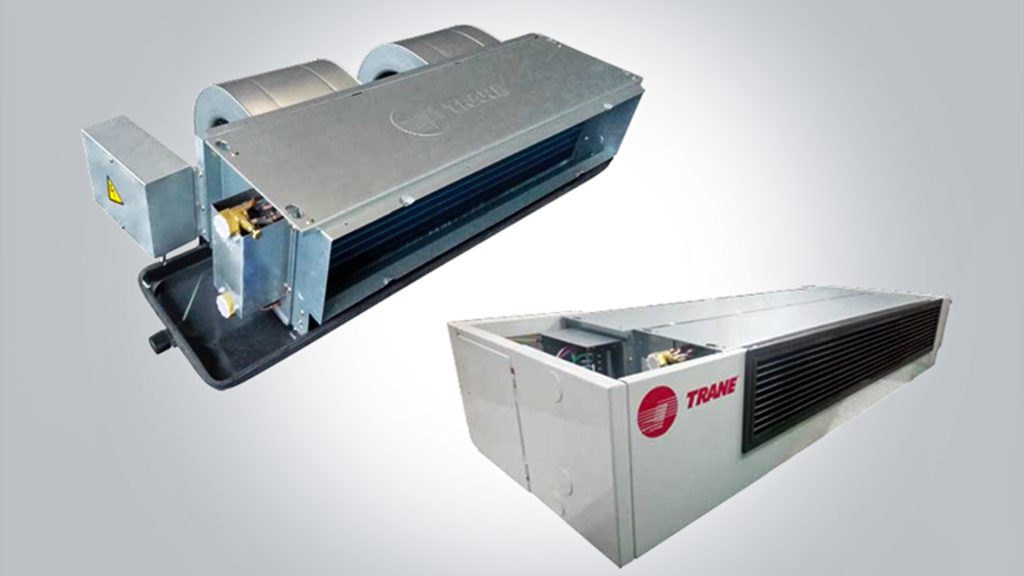
Maximizing Efficiency with Trane DX Fan Coil Units: A Complete Guide In the realm of commercial and residential HVAC solutions, few names carry the weight and reputation of Trane. Known for reliability, innovation, and superior performance, Trane’s equipment is often the first choice for engineers and facility managers. Among their extensive lineup, trane dx fan coil units stand out as a versatile and efficient solution for climate control. Whether you are retrofitting an older building or designing a new high-rise, understanding the capabilities of these units is essential for ensuring optimal indoor air quality and comfort. This guide explores the technology behind these systems, why the trane fan and coil combination is so effective, and how specific configurations like the trane vertical fan coil can solve unique architectural challenges. At Workman Services, we specialize in helping you select, install, and maintain the right HVAC infrastructure for your specific needs. Understanding the Power of Trane DX Fan Coil Units At its core, a Direct Expansion (DX) fan coil unit is a heat exchanger that uses a refrigerant directly in the coil to cool or heat the air. Unlike chilled water systems that require a separate chiller and pumps, trane dx fan coil units connect directly to a condensing unit or heat pump. This direct heat transfer method is highly efficient and offers rapid temperature control. The engineering behind trane dx fan coil units focuses on minimizing energy consumption while maximizing airflow and heat transfer. These units are designed to operate quietly and reliably, making them ideal for environments where noise control is critical, such as hotels, hospitals, and luxury apartments. By choosing a robust system like this, building owners can significantly reduce their long-term operational costs while providing a superior environment for occupants. The Synergy of Trane Fan and Coil Technology The effectiveness of any HVAC unit lies in the harmony between its components. The trane fan and coil design is the result of decades of research and development. Trane engineers have optimized the aerodynamics of the fan to deliver high static pressure with minimal noise, while the coil geometry is designed to maximize surface area for efficient heat exchange. When you invest in a trane fan and coil system, you aren’t just buying parts; you are buying an integrated solution. The synergy ensures that the motor doesn’t overwork, extending the lifespan of the unit. Furthermore, the trane fan and coil assembly is constructed with durability in mind, featuring corrosion-resistant materials that stand up to humid environments and rigorous daily use. This reliability is why Workman Services confidently recommends Trane equipment for critical applications. Vertical Solutions for Modern Spaces Space is a premium in modern architecture. Developers and architects are constantly looking for ways to maximize usable floor area without compromising on mechanical services. This is where the trane vertical fan coil shines. Designed to fit into tight spaces, such as furred-in columns or closets, these units provide powerful conditioning without occupying valuable square footage. A trane vertical fan coil is particularly well-suited for perimeter zones in office buildings or individual rooms in hospitality settings. They offer the flexibility of floor-mounting while easily blending into the interior design. The vertical configuration aids in natural convection and allows for efficient ducting strategies that distribute air evenly throughout the space. The Versatility of Trane Vertical Fan Coil Units Expanding on the vertical concept, the broader category of trane vertical fan coil units includes various models tailored to different performance requirements. Some are designed for exposed installation with sleek cabinetry, while others are meant to be concealed behind walls. One of the key advantages of trane vertical fan coil units is their serviceability. Because they are often floor-mounted or installed low on the wall, maintenance teams can access filters, motors, and controls easily without the need for ladders or scaffolding. This ease of access encourages regular maintenance, which is crucial for the longevity of trane dx fan coil units. At Workman Services, we find that facilities utilizing trane vertical fan coil units often report lower maintenance labor costs due to this accessibility. High-Rise Efficiency: Trane Vertical Stack Fan Coil For multi-story buildings like hotels, dormitories, and apartment complexes, the trane vertical stack fan coil is a game-changer. This “stack” design allows units to be installed one on top of the other, sharing a common riser system for piping and electrical connections. This significantly reduces installation time and material costs compared to running individual lines to every room. The trane vertical stack fan coil system is pre-engineered for consistency. It minimizes the footprint required in each room, often occupying a small corner that can be easily drywall-encased. Despite their compact nature, a trane vertical stack fan coil delivers robust performance, ensuring that guests on the top floor experience the same comfort as those on the ground floor. Why Choose Trane DX Systems? Choosing the right HVAC system is a balance of performance, cost, and longevity. Here is why trane dx fan coil units remain a top contender: Energy Efficiency: Direct expansion systems eliminate the intermediate step of chilling water, reducing energy loss. Scalability: You can easily add more units as a building expands or needs change. Individual Control: DX systems allow for precise zoning, meaning unoccupied rooms don’t need to be conditioned. Reliability: Trane’s rigorous testing ensures these units perform in extreme conditions. Whether you opt for a standard horizontal unit or a specialized trane vertical stack fan coil, the underlying quality remains consistent. Comparing Trane Fan Coil Configurations To help you navigate the options, we have compiled a comparison of common Trane fan coil configurations available through Workman Services. Feature Horizontal Concealed Vertical Console Vertical Stack Installation Location Ceiling void / false ceiling Floor / Low wall Vertical column / Riser Space Efficiency High (uses ceiling space) Medium (uses floor space) Very High (minimized footprint) Maintenance Access Difficult (requires ladder/panel) Easy (front panel access) Easy (slide-out chassis) Best Application Offices, Retail, Open Plans Classrooms, Lobbies Hotels, Apartments, Dorms Noise Level Very Low Low
Maximizing Comfort and Efficiency: The Ultimate Guide to the FCU
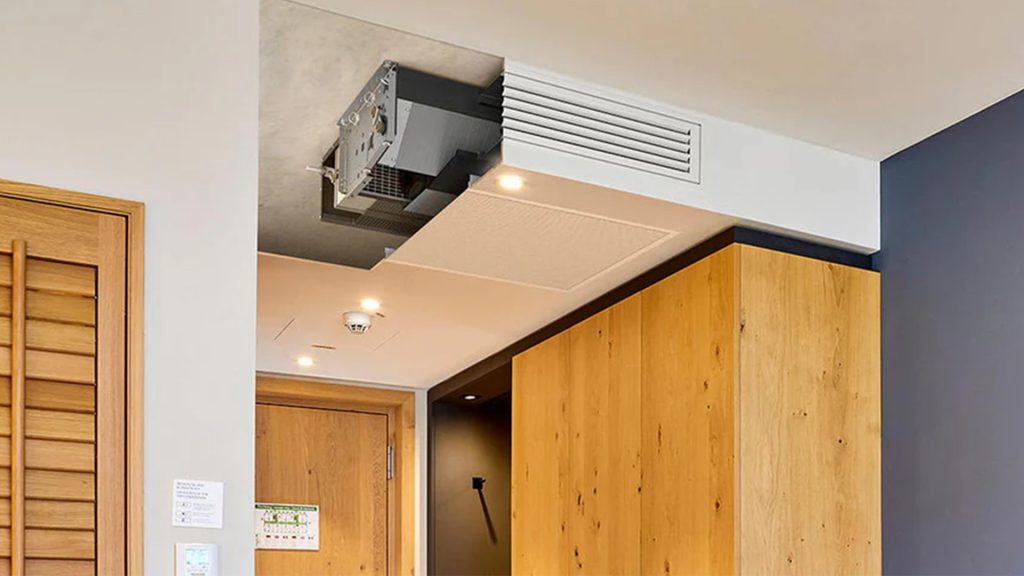
Maximizing Comfort and Efficiency: The Ultimate Guide to the FCU In the intricate world of heating, ventilation, and air conditioning (HVAC), selecting the right equipment is pivotal for ensuring comfort and energy efficiency. While large centralized systems like Air Handling Units (AHUs) often get the spotlight for managing entire buildings, the FCU (Fan Coil Unit) plays an equally critical role in localized climate control. Whether you are managing a hotel, an office complex, or a luxury residence, understanding the capabilities of a fan coil unit is essential for creating a comfortable environment. This comprehensive guide will delve into what an fcu is, why it is a preferred choice for many modern buildings, and the factors you need to consider before making a purchase. We will also explore the landscape of finding a reliable fcu supplier and navigating the market to buy FCU in Pakistan. What is an FCU and How Does it Work? An fcu, or Fan Coil Unit, is a simple yet effective device consisting primarily of a heat exchanger (coil) and a fan. It is part of an HVAC system found in residential, commercial, and industrial buildings. Unlike large AHUs that are often connected to ductwork supplying multiple rooms, an fcu is typically responsible for conditioning the air in a specific room or zone. The operation is straightforward: the fan draws air from the indoor space into the unit, passes it over the coil (which contains either hot or chilled water supplied by a central boiler or chiller), and then pushes the conditioned air back into the room. This localized approach allows for precise temperature control, meaning occupants in different rooms can adjust their settings to their personal preference without affecting the entire building. Because of its versatility and effectiveness, the fcu has become a staple in modern construction projects where individual zone control is mandatory. Why Choose a Fan Coil Unit System? When designing an HVAC system, engineers often weigh the benefits of various setups. The popularity of the fcu stems from several distinct advantages: Individual Zone Control: This is the most significant benefit. In a hotel, for instance, one guest may prefer a cooler room while another prefers it warmer. An fcu system accommodates both simultaneously. Energy Efficiency: By conditioning only occupied spaces, you avoid the energy waste associated with cooling or heating empty rooms. Flexibility in Installation: These units come in various configurations—ceiling-mounted, floor-standing, or wall-mounted—allowing them to fit into diverse architectural designs. Lower Initial Cost: Compared to complex VAV (Variable Air Volume) systems, the infrastructure for fan coil units is often simpler and less expensive to install. Navigating the Market to Buy an FCU Unit When you decide to buy fcu unit systems for a project, you are investing in the long-term comfort of the building’s occupants. However, the process involves more than just picking a model from a catalog. You must consider the specific requirements of your space, including the cooling load, available space for installation, and acoustic requirements. One of the first things project managers look at is the fcu unit price. While budget is always a concern, it is crucial to remember that the initial cost is just one part of the equation. A lower upfront price might come with higher operating costs due to inefficiency or frequent maintenance needs. Therefore, when evaluating the fcu unit price, always consider the Total Cost of Ownership (TCO), which includes energy consumption and maintenance expenses over the unit’s lifespan. Types of FCUs: Finding the Right Fit To make an informed decision when you buy fcu unit hardware, you need to understand the different types available. Here is a comparison to help you choose the right configuration for your needs. FCU Type Description Best Application Key Advantage Ceiling Concealed Installed above a false ceiling with only grilles visible. Hotels, luxury apartments, offices. aesthetically pleasing; hidden from view; quiet operation. Cassette FCU Mounts flush with the ceiling; air is distributed in multiple directions (usually 4-way). Open-plan offices, retail shops, restaurants. Excellent air distribution; easy to install in grid ceilings. Wall-Mounted Mounted high on the wall, similar to a split AC indoor unit. Retrofit projects, small offices, residential rooms. Easy installation; does not require false ceilings or ductwork. Floor-Standing Sits on the floor against a wall; often encased in a decorative cabinet. Lobbies, hallways, spaces with high glass walls. easy access for maintenance; effective for heating applications. Choosing the right type depends heavily on the architectural constraints and interior design of your building. A knowledgeable fcu supplier can assist in matching the right unit type to your specific spatial requirements. The Importance of a Reliable FCU Supplier The quality of the hardware is only as good as the support behind it. This is why selecting the right fcu supplier is critical. A reputable supplier does more than just sell boxes; they provide technical guidance, ensure timely delivery, and offer after-sales support. If you are looking to buy FCU in Pakistan, the market offers a range of options from international brands to local manufacturers. However, climatic conditions in Pakistan can be demanding, with extreme heat in the summer. You need an fcu supplier who understands these local challenges and can recommend units with adequate cooling capacity and robust insulation to prevent sweating and condensation issues. At Workman Services, we pride ourselves on being more than just a vendor. We partner with our clients to ensure that the fcu systems we provide are perfectly sized and specified for their unique projects. We understand that a reliable supply chain is vital for keeping construction projects on schedule. Factors Influencing the FCU Unit Price As mentioned earlier, the fcu unit price varies significantly based on several factors. Understanding these can help you budget more effectively. Capacity: Naturally, a unit with a higher CFM (Cubic Feet per Minute) and cooling capacity will cost more. Motor Type: Traditional AC motors are cheaper upfront, but modern EC (Electronically Commutated) motors are far more energy-efficient. While opting for EC motors increases the initial fcu
Your Essential Guide to Buying an AHU Unit for Optimal Air Quality
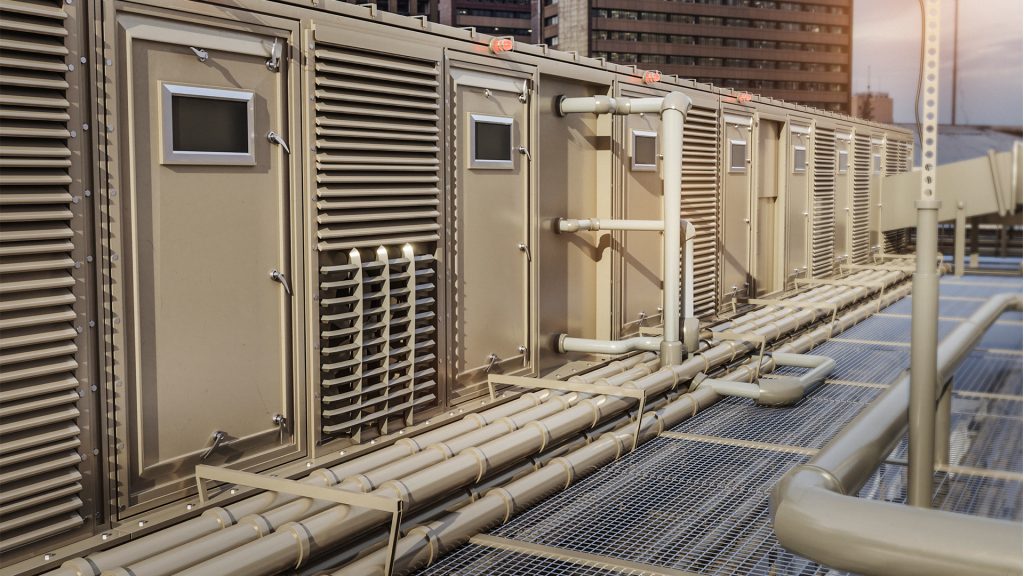
Your Essential Guide to Buying an AHU Unit for Optimal Air Quality Maintaining superior air quality in commercial and industrial buildings is not just a luxury; it’s a necessity. An Air Handling Unit (AHU) is the heart of any large-scale HVAC system, responsible for conditioning and circulating air. Making the decision to buy AHU unit systems for your facility is a major investment in comfort, health, and operational efficiency. This guide will walk you through the essential considerations, from understanding the technology to selecting the right partner for your project. We will explore the factors that determine the overall AHU unit price, what to look for in a reliable ahu supplier, and the specific landscape to navigate when you want to buy AHU in Pakistan. Whether you’re outfitting a hospital, a manufacturing plant, or a commercial tower, this information will help you make a confident and informed choice. What Exactly is an Air Handling Unit? Before you buy AHU unit components, it’s important to understand what they do. An AHU is a large metal box containing a variety of components that condition and circulate air as part of a building’s HVAC system. Its primary functions include heating, cooling, humidifying, dehumidifying, filtering, and mixing air to create the perfect indoor environment. Unlike a simple air conditioner, an AHU is a complex assembly that can be customized to meet the precise requirements of a space. It typically includes a blower, heating or cooling elements, filter racks, sound attenuators, and dampers. The customization potential is a major factor influencing the final AHU system price. Key Factors to Consider Before You Buy an AHU Unit Purchasing an AHU is not an off-the-shelf transaction. It requires careful planning and consideration of several critical factors. A miscalculation can lead to poor performance, high energy bills, and occupant discomfort. 1. Building Application and Size: The first step is to analyze the space. A hospital’s AHU will have different requirements (like advanced HEPA filtration) than one for a shopping mall or an office building. The total volume of the space determines the required airflow, measured in Cubic Feet per Minute (CFM), which is a primary driver of the unit’s size and capacity. 2. Component Selection: An AHU is a modular system. The specific components you select will directly impact performance and the ahu unit price. Key components include: Filters: From basic panel filters to high-efficiency HEPA filters for cleanroom environments. Coils: Chilled water coils for cooling and hot water or steam coils for heating. Fans: Forward-curved, backward-curved, or plug fans, each offering different efficiency and noise levels. Humidifiers: Essential for environments requiring precise humidity control, like data centers or healthcare facilities. 3. Energy Efficiency: Modern AHUs can be equipped with energy recovery technology, such as heat wheels or plate heat exchangers. These devices recover energy from the exhaust air and use it to pre-condition the incoming fresh air, significantly reducing heating and cooling loads. While this technology can increase the initial AHU system price, the long-term energy savings are substantial. 4. Finding a Reputable AHU Supplier: Your choice of an ahu supplier is just as important as the unit itself. A good supplier acts as a partner, offering technical expertise, design support, and reliable after-sales service. When you are looking to buy AHU in Pakistan, finding a supplier with a proven track record and local presence is crucial for project success. Types of Air Handling Units: Which is Right for You? AHUs come in various configurations. Understanding the main types will help you have a more productive conversation with your ahu supplier. AHU Type Description Best For Key Advantage Modular AHU Constructed from separate modules (fan, filter, coil, etc.) that are assembled on-site. Large commercial and industrial projects requiring high customization. Ultimate flexibility in design and configuration. Can be fitted into tight mechanical rooms. Packaged/Rooftop AHU A self-contained unit where all components are housed in a single casing. Typically installed on the roof. Single-story commercial buildings like retail stores, restaurants, and small offices. All-in-one solution, easier and faster installation. Makeup Air Unit (MAU) A specialized AHU designed to supply 100% fresh, conditioned outdoor air to a space. Commercial kitchens, laboratories, and buildings with high exhaust requirements. Replaces exhausted air and maintains positive building pressure, improving indoor air quality. The decision to buy AHU unit systems of a specific type will depend entirely on your project’s unique demands. A knowledgeable ahu supplier can guide you through this selection process. The Process to Buy AHU in Pakistan The market for HVAC solutions in Pakistan is robust, serving a wide range of industrial, commercial, and healthcare sectors. When you decide to buy AHU in Pakistan, the process involves several key stages to ensure you receive a high-quality, effective system. First, identify local or regional suppliers with a strong portfolio of completed projects. An experienced provider will understand the local climate conditions and building codes, ensuring your system is compliant and efficient. At Workman Services, we have extensive experience in delivering tailored HVAC and life safety solutions across Pakistan, from luxury apartments to large-scale hospitals. Second, engage in a detailed consultation. This is where your requirements are translated into technical specifications. This step is critical for determining the correct unit size, components, and ultimately, the AHU system price. Finally, a reliable partner will not only supply the unit but also offer expert installation, commissioning, and long-term maintenance services, which is vital when you buy AHU in Pakistan. Understanding the AHU Unit Price One of the most common questions from clients is about the ahu unit price. It’s important to understand that this is not a fixed cost. The price is a reflection of the unit’s size, complexity, materials, and brand. Key cost drivers include: Capacity (CFM): Larger airflow requirements mean a larger, more powerful, and more expensive unit. Materials: Standard galvanized steel is common, but applications requiring corrosion resistance might need stainless steel or aluminum, affecting the cost. Customization: The more specialized the components (e.g., explosion-proof motors, advanced filtration), the higher
Understanding the Value Behind the 4 Ton Cabinet AC
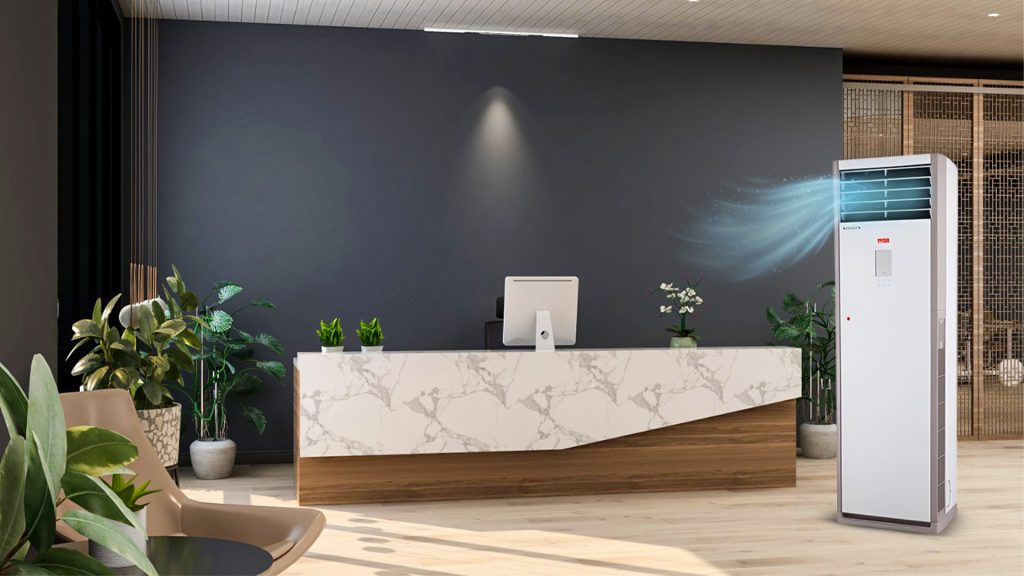
Understanding the Value Behind the 4 Ton Cabinet AC Choosing the right air conditioning system for a large residential space or a commercial establishment is a critical decision. It involves balancing performance, aesthetics, and long-term operating costs. While many options exist, the cabinet AC, particularly the 4-ton model, offers a powerful and efficient solution for substantial cooling needs. However, a key consideration for any buyer is the 4 ton cabinet ac price, which reflects not just the initial purchase but the overall value and features of the unit. This guide will explore the factors influencing the 4 ton cabinet ac price, compare it with other popular systems like the 4 ton cassette ac, and help you understand what you’re investing in. We’ll delve into the technology, applications, and why a floor-standing cabinet AC might be the perfect fit for your cooling requirements. What is a 4 Ton Cabinet AC and Why is it Popular? A 4-ton cabinet AC, also known as a floor-standing unit, is a self-contained, high-capacity air conditioning system designed to cool large, open areas. Unlike wall-mounted or window units, these sleek, tall cabinets sit on the floor, making them easy to install without significant structural modifications. Their 4-ton capacity (equivalent to 48,000 BTUs) gives them the power to effectively cool spaces like large living rooms, office halls, retail stores, and restaurants. The popularity of these units stems from their powerful airflow, which can reach every corner of a large room, and their straightforward installation. For those evaluating the overall investment, the 4 ton cabinet ac price becomes a significant point of comparison against other systems that might require more complex and costly installations. Factors That Influence the 4 Ton Cabinet AC Price While it’s easy to look for a single number, the 4 ton cabinet ac price is determined by a combination of factors. Understanding these elements helps you appreciate the value you receive and choose a unit that fits your specific needs. 1. Brand and Manufacturer: Reputable, well-established brands often invest more in research and development, quality components, and robust warranty support. Companies like Gree, Midea, and Acson are known for their reliability and innovation, which can be reflected in the unit’s cost. 2. Technology (Inverter vs. Non-Inverter): Inverter technology is a game-changer in the world of air conditioning. An inverter AC adjusts the compressor speed based on the room’s temperature, providing consistent cooling while consuming significantly less energy. A non-inverter unit’s compressor runs at a fixed speed, turning on and off to maintain temperature. While an inverter model may have a higher initial 4 ton cabinet ac price, it leads to substantial savings on electricity bills over time. 3. Energy Efficiency Rating (EER/SEER): Higher energy efficiency ratings mean the unit consumes less power to produce the same amount of cooling. Units with better ratings are more environmentally friendly and cost-effective to run. This superior efficiency is a key factor contributing to the overall value behind the initial purchase decision. 4. Additional Features: Modern cabinet ACs come with a host of features that enhance comfort and convenience. These can include: Wi-Fi connectivity for smart controls Advanced air purification filters Turbo cooling modes Quiet operation technology Each of these features adds to the unit’s value and can influence its market positioning. Cabinet AC vs. Cassette AC: A Comparative Look When considering cooling solutions for a commercial or large residential space, the choice often comes down to a cabinet AC or a 4 ton cassette ac. Both are powerful, but they serve different aesthetic and functional purposes. The 4 Ton Cassette AC: Sleek and Unobtrusive A 4 ton ceiling cassette ac is designed to be installed flush within a suspended or false ceiling. Only the decorative panel is visible, making it an incredibly discreet option. This is ideal for spaces where maintaining a clean, minimalist aesthetic is a priority, such as modern offices, high-end retail stores, and hotel lobbies. One of the main advantages of a 4 way cooling cassette ac is its air distribution. It typically releases air in four directions, ensuring even and widespread cooling without creating strong drafts in any single area. This makes the 4 way ceiling cassette ac price a worthwhile consideration for those prioritizing uniform comfort. Comparing the Systems To make an informed decision, it’s helpful to compare these two powerful systems side-by-side. Feature 4 Ton Cabinet AC 4 Ton Ceiling Cassette AC Installation Floor-standing, minimal modification required. Requires a false or suspended ceiling for installation. Aesthetics Visible unit, but with modern, sleek designs. Almost completely hidden, very discreet. Airflow Powerful, long-reach vertical and horizontal throw. Even, multi-directional distribution (often 4-way). Best For Large open rooms, halls, event spaces, places without false ceilings. Offices, retail stores, restaurants, and spaces with suspended ceilings. Maintenance Easily accessible filters and components at ground level. Requires a ladder for access to filters and internal parts. Ultimately, the decision between these two often comes down to the room’s structure and your design preferences. The 4 ton cabinet ac price may seem appealing for its simpler installation, while the aesthetics offered by a 4 ton ceiling cassette ac justify its investment for other users. Understanding the Value of a 4 Way Cooling Cassette AC The “4-way” aspect of a cassette AC is a significant feature. A 4 way cooling cassette ac ensures that conditioned air is distributed evenly across the room from all four sides of the unit. This prevents hot and cold spots, creating a consistently comfortable environment for everyone. The technology behind it makes it a premium choice. When evaluating the 4 way ceiling cassette ac price, you are paying for superior air distribution technology that is highly effective in square or rectangular rooms. This efficient distribution can also lead to faster cooling and better energy management, providing long-term value that offsets the initial 4 way ceiling cassette ac price. Finding the Right Cooling Solution for Your Needs Whether you are leaning towards a cabinet unit or a cassette system, selecting the right model is
Comprehensive Air Conditioning Solutions for Modern Buildings

Comprehensive Air Conditioning Solutions for Modern Buildings Finding the right cooling system for a large structure is a significant decision. Unlike residential units, an air conditioning solution for building projects must manage vast spaces, diverse occupancy levels, and complex energy demands. Whether you’re developing a new commercial space, managing a retail center, or upgrading an existing property, understanding your options is key to ensuring comfort, efficiency, and long-term savings. This guide will explore the best air conditioning systems available for different types of buildings. We will cover everything from centralized systems for large commercial properties to specific solutions for retail environments. You will learn about the factors to consider, compare different technologies, and discover how to make a smart investment for your property. Understanding the Core Needs of Building-Wide Air Conditioning Before diving into specific systems, it’s essential to understand what makes cooling a large building so different. An effective air conditioner for building applications must do more than just lower the temperature. It needs to provide consistent comfort, manage air quality, and operate efficiently to control high energy costs. Key considerations include the building’s size, layout, insulation, and primary use. An office building has different cooling requirements than a hospital or a bustling retail center. Factors like ceiling height, window placement, and the number of occupants all influence the type of system that will perform best. The goal is to find a balanced solution that delivers powerful cooling without excessive energy consumption. Centralized vs. Decentralized: Two Main Approaches Air conditioning systems for large buildings generally fall into two categories: centralized and decentralized. Centralized Systems: These systems use a primary cooling unit (like a chiller or a large rooftop unit) that distributes cool air throughout the building via a network of ducts. They are ideal for large, open spaces and entire buildings where uniform temperature control is needed. Decentralized Systems: This approach involves multiple, smaller cooling units placed in different zones or rooms. Examples include ductless mini-splits or VRF systems. This is a great choice for buildings with varied cooling needs across different areas, such as a mixed-use commercial property. Choosing the right approach is the first step toward selecting the perfect air conditioning solution for building needs. Centralized systems offer powerful, uniform cooling, while decentralized systems provide flexibility and zoned control. Top Air Conditioning Solutions for Commercial Buildings Commercial properties, from office towers to mixed-use complexes, require robust and reliable cooling. An effective air conditioning solution for commercial building projects must balance performance, energy efficiency, and scalability. Here are some of the leading options. 1. HVAC Rooftop Packaged Units Rooftop units (RTUs) are all-in-one heating, ventilation, and air conditioning systems housed in a single cabinet. They are installed on the roof, which saves valuable indoor space. Cool air is delivered throughout the building via ductwork. Best for: Single-story commercial buildings, retail stores, and warehouses. Pros: Space-saving design, easier installation and maintenance compared to split systems, and cost-effective for large, open layouts. Cons: Less suitable for multi-story buildings and can be less efficient if ductwork is not properly designed and sealed. 2. Chiller Systems Chillers are a popular choice for very large commercial and industrial buildings. They work by cooling water, which is then pumped through pipes to air handling units (AHUs) or fan coil units (FCUs) located throughout the building. These units then blow air over the chilled pipes to cool the space. Best for: Skyscrapers, hospitals, university campuses, and large industrial facilities. Pros: Highly efficient for cooling massive spaces, long lifespan, and can be easily scaled. Cons: High initial installation cost and require a dedicated mechanical room. 3. Variable Refrigerant Flow (VRF) Systems VRF technology is one of the most advanced and flexible options available today. These systems use a single outdoor condensing unit connected to multiple indoor units. Each indoor unit can be controlled individually, allowing for different temperature zones within the same building. VRF systems can also provide simultaneous heating and cooling in different areas, making them an excellent air conditioning solution for commercial building environments with diverse needs. Best for: Office buildings, hotels, and mixed-use properties with varied occupancy and zoning requirements. Pros: Exceptional energy efficiency, zoned temperature control, and quiet operation. Cons: Higher upfront cost than traditional systems and requires specialized technicians for installation. Specialized Air Conditioning Solutions for Shopping Malls Shopping malls present unique challenges due to their vast open areas, high ceilings, and constant foot traffic. An effective air conditioning solution for shopping malls must deliver powerful cooling to common areas while also providing flexibility for individual retail stores. The sheer volume of space, combined with heat generated by lighting, electronics, and thousands of daily visitors, demands a system that is both powerful and incredibly efficient. A combination of chiller systems for the main concourses and VRF or packaged units for individual tenant spaces is often the most effective strategy. This hybrid approach ensures that the large common areas remain comfortable, while each store can manage its own climate. This tailored air conditioning solution for shopping malls helps optimize energy use and tenant satisfaction. For developers and managers looking to implement or upgrade, it’s smart to consult with experts who understand the specific demands of retail environments. A well-designed air conditioning solution for shopping malls not only keeps shoppers comfortable but also contributes to a better overall shopping experience, encouraging them to stay longer. Comparison of Air Conditioning Systems Choosing the right air conditioner for building projects can be easier when you compare the options side-by-side. Here is a table summarizing the key features of each system. System Type Best For Energy Efficiency Initial Cost Key Advantage Rooftop Units (RTUs) Single-story commercial buildings, retail Moderate to High Medium Space-saving and self-contained Chiller Systems Very large buildings, campuses, hospitals Very High High Powerful, scalable, and efficient for massive loads VRF Systems Offices, hotels, mixed-use buildings Highest High Zoned control and simultaneous heating/cooling Ductless Mini-Splits Smaller zones, server rooms, additions High Low to Medium Flexible installation and individual control Can You Buy an
Top HVAC & MEP Contractors in Pakistan: Your Guide to Reliable Solutions for Commercial, Industrial, and Residential Projects

Top HVAC & MEP Contractors in Pakistan: Your Guide to Reliable Solutions for Commercial, Industrial, and Residential Projects Finding a reliable partner for Heating, Ventilation, and Air Conditioning (HVAC) and Mechanical, Electrical, and Plumbing (MEP) systems is crucial for the success of any construction project in Pakistan. Whether you are developing a large-scale commercial building, a sophisticated industrial facility, or a comfortable residential home, the quality of your MEP installation determines the building’s functionality, efficiency, and long-term operating costs. This guide will help you navigate the landscape of Top HVAC Contractors and MEP providers, ensuring you find reliable solutions for your specific needs. The right contractor does more than just install equipment. They provide end-to-end support, from initial design and planning to execution, maintenance, and customer service. In a market with numerous options, identifying the best team requires a clear understanding of what sets premier firms apart. This includes their experience across different sectors, their commitment to using high-quality brands, and their ability to deliver projects on time and within budget. Understanding the Role of HVAC & MEP Contractors Before diving into how to choose the right partner, it’s important to understand what HVAC and MEP contractors do. These specialized professionals are responsible for the systems that make a building habitable and functional. HVAC (Heating, Ventilation, and Air Conditioning): This system controls the climate within a building. It includes everything from large-scale chillers and air handling units (AHUs) for commercial properties to split AC units for homes. A well-designed HVAC system ensures comfort, maintains air quality, and optimizes energy consumption. MEP (Mechanical, Electrical, and Plumbing): This is a broader category that includes HVAC as its mechanical component. Electrical systems cover power distribution, lighting, and fire alarms, while plumbing involves water supply, drainage, and sanitation. Comprehensive MEP Solutions ensure all these critical systems are integrated seamlessly. For any new construction or renovation, engaging expert MEP Contractors from the outset is essential. Their early involvement helps prevent costly design clashes, ensures compliance with local regulations, and guarantees that the building’s infrastructure can support its intended use. Why Quality Matters: The Impact of a Reliable Contractor Choosing an inexperienced or unreliable contractor can lead to significant problems, including system failures, high energy bills, poor air quality, and safety hazards. In contrast, working with one of the Top HVAC Contractors in Pakistan offers several key advantages: Expertise and Experience: Leading contractors have a proven track record across commercial, industrial, and residential sectors. They understand the unique challenges of each project type, from the heavy-duty cooling requirements of a manufacturing plant to the quiet, efficient systems needed for a luxury apartment. Energy Efficiency: A professional installation focuses on optimizing performance to reduce long-term energy costs. This involves selecting the right-sized equipment, ensuring proper insulation, and using smart technologies like Variable Refrigerant Flow (VRF) systems. Safety and Compliance: Experienced firms adhere to strict safety standards and building codes. This is especially critical for electrical and fire-fighting systems, where mistakes can have devastating consequences. Long-Term Reliability: Quality installation and the use of trusted brands mean fewer breakdowns and a longer lifespan for your equipment. This translates to lower maintenance costs and greater peace of mind. Key Services Offered by Premier HVAC & MEP Providers Leading firms offer a comprehensive suite of services to cover every stage of a project. When looking for the best HVAC and MEP contractors for new projects, you should seek a partner who can deliver integrated solutions. Workman Services, for instance, provides a full spectrum of services tailored to diverse client needs. Service Category Specific Offerings Project Suitability HVAC Solutions Cassette ACs, Ducting, VRF Systems, Chillers, Air Handling Units (AHUs), Total Fresh Air (TFA) Units Residential, Commercial, Industrial Electrical Systems Power Distribution, Lighting Design, Cable Management, Backup Power (Generators/UPS) Commercial, Industrial Plumbing Systems Water Supply Networks, Drainage and Waste Management, Sanitary Fixtures Residential, Commercial, Industrial Fire Safety Fire Suppression Systems, Fire Alarm & Detection, Evacuation Planning, Firefighter Services Commercial, Industrial, Hospitals Project Management System Design, Planning, Project Execution, Testing & Commissioning All project types Maintenance Annual Maintenance Contracts (AMCs), Emergency Repairs, System Audits All project types This integrated approach ensures that all systems work together harmoniously. For example, a firm offering holistic MEP Solutions can design an electrical grid that perfectly supports the HVAC load, preventing overloads and improving efficiency. Tailored Solutions for Different Sectors The requirements for HVAC and MEP systems vary dramatically between sectors. Premier MEP Contractors customize their approach for each project type. 1. Commercial HVAC Services Office buildings, shopping malls, and hospitals require robust and reliable systems that can handle high occupancy and constant use. Key considerations for commercial HVAC services include centralized management, zoning capabilities to control different areas independently, and exceptional energy efficiency to manage operating costs. VRF systems, chillers, and large-scale AHUs are common solutions in this space. Reliability is paramount, as system downtime can disrupt business operations and impact revenue. 2. Industrial Projects Manufacturing plants, warehouses, and processing facilities have unique needs, such as process cooling, dust and fume extraction, and maintaining precise temperature and humidity levels. Industrial MEP Solutions must be durable enough to withstand harsh operating conditions. Contractors working in this sector need specialized knowledge of industrial equipment and safety protocols. 3. Residential Projects For homes and apartment complexes, the focus is on comfort, quiet operation, and aesthetics. Homeowners want systems that are unobtrusive, easy to control, and energy-efficient. Ductless split ACs and cassette units are popular choices. When searching for the best HVAC and MEP contractors for new projects in the residential space, look for companies that offer high-quality brands known for their reliability and quiet performance. How to Choose the Best HVAC & MEP Contractor in Pakistan With so much at stake, selecting the right partner is a critical decision. Here are key factors to consider when evaluating potential contractors: Proven Track Record: Look for a company with extensive experience and a portfolio of completed projects similar to yours. Ask for references and case studies. Workman Services, with over 18
Carrier HVAC Systems and Humidity Control for Commercial Buildings in Pakistan
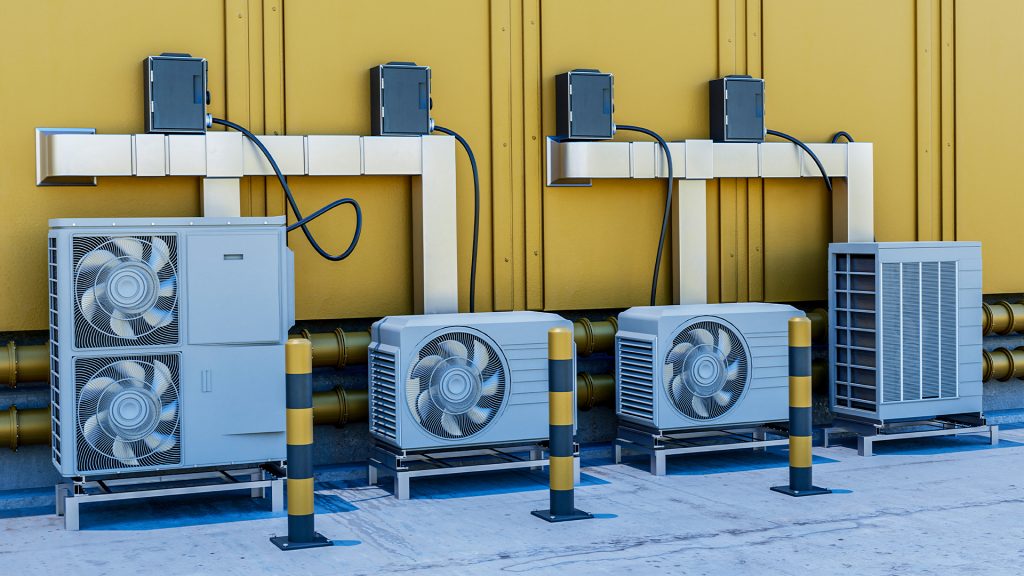
Carrier HVAC Systems and Humidity Control for Commercial Buildings in Pakistan Maintaining a comfortable and healthy indoor environment is crucial for the productivity and well-being of occupants in commercial buildings. In Pakistan, where weather conditions can range from extreme heat to high humidity, managing indoor climate is a significant challenge. This is where advanced Carrier HVAC Systems and humidity control solutions become essential. For businesses looking to optimize their environment, understanding the capabilities of modern HVAC technology is the first step toward creating a productive and efficient workspace. Workman Services, a trusted provider of mechanical and HVAC solutions in Pakistan since 2006, understands the unique climate challenges faced by commercial enterprises. We specialize in designing and implementing systems that deliver consistent comfort and superior air quality. This guide explores why Carrier is a leading choice for commercial applications and how its innovative features can transform your building’s environment. We will cover the importance of integrated humidity management, the specific benefits of Carrier’s technology, and what to consider when choosing a system for your facility. Why Humidity Control is Non-Negotiable in Pakistan’s Climate Pakistan’s climate, particularly during the monsoon season, is characterized by high humidity levels. When not properly managed, excess moisture in the air can lead to numerous problems in commercial buildings, including: Reduced Comfort and Productivity: High humidity makes the air feel warmer than it is, leading to discomfort for employees and customers. This can directly impact focus, satisfaction, and overall productivity. Health and Safety Risks: Damp environments are breeding grounds for mold, mildew, and bacteria. These contaminants can trigger allergies, respiratory issues, and other health problems, creating an unsafe workplace. Structural and Asset Damage: Moisture can cause damage to building materials, leading to rot, rust, and peeling paint. It can also harm sensitive electronic equipment, inventory, and important documents, resulting in costly repairs and replacements. Increased Energy Consumption: When humidity is high, air conditioners must work harder to cool the air, leading to a significant increase in energy bills. An integrated humidity control system helps your AC unit operate more efficiently. Effective humidity control is not just a luxury; it is a fundamental requirement for maintaining a healthy, safe, and cost-effective commercial building in Pakistan. Carrier HVAC: A Leader in Commercial Climate Solutions For decades, Carrier has been a pioneer in the air conditioning industry. Their reputation for quality, innovation, and reliability makes them a top choice for commercial HVAC applications worldwide. Carrier provides a diverse range of products designed to meet the specific needs of different commercial spaces, from small offices to large industrial complexes. At Workman Services, we recommend Carrier HVAC solutions because they offer a powerful combination of performance and efficiency. These systems are engineered to provide precise temperature regulation while integrating advanced features that address indoor air quality and humidity. By choosing Carrier, you are investing in a system that delivers long-term value and peace of mind. The integration of advanced Carrier HVAC Systems and humidity control technologies ensures that your building remains comfortable regardless of the external weather conditions. These systems use smart sensors and variable-speed components to actively monitor and adjust indoor humidity levels, removing excess moisture from the air without overcooling the space. This creates a balanced environment that is both pleasant and energy-efficient. Key Features of Carrier Commercial HVAC Systems Carrier systems are equipped with features that set them apart from the competition. These innovations are designed to provide superior performance, enhance energy efficiency, and improve indoor air quality. Feature Description Benefit for Commercial Buildings Greenspeed® Intelligence This technology pairs adaptable-speed technology with intelligent controls to deliver precise heating and cooling. Reduces energy consumption by up to 40%, lowers operational costs, and maintains consistent comfort levels without temperature swings. Puron® Refrigerant An environmentally sound refrigerant that does not deplete the ozone layer. Ensures compliance with modern environmental standards while delivering reliable and efficient cooling performance. Advanced Dehumidification Integrated systems that actively remove moisture from the air, often as a separate function from cooling. Improves indoor air quality, prevents mold growth, protects building assets, and enhances occupant comfort during humid seasons. Variable-Speed Compressors Compressors that operate at different speeds depending on the cooling demand, rather than just on or off. Provides superior energy efficiency, quieter operation, and more precise temperature and humidity control compared to single-stage systems. Smart Controls & Automation Wi-Fi-enabled thermostats and building automation systems that allow for remote monitoring and scheduling. Offers greater control over your building’s climate, enabling you to optimize schedules for energy savings and ensure comfort. These features make Carrier a formidable choice for any business serious about creating an optimal indoor environment. The investment in robust HVAC systems pays for itself through energy savings, improved productivity, and reduced maintenance costs over time. Choosing the Right Carrier System for Your Commercial Building in Pakistan Selecting the appropriate commercial HVAC system requires careful consideration of several factors. Every building has unique requirements based on its size, layout, occupancy, and specific use. Workman Services provides expert consultation to help you navigate these choices and find the perfect solution. Here are key factors to consider: 1. Building Size and Layout The total square footage, ceiling height, and layout of your building will determine the required capacity (tonnage) of the HVAC system. A system that is too small will struggle to cool the space, while an oversized system will cycle on and off too frequently, leading to poor humidity control and wasted energy. 2. Occupancy and Usage Patterns A bustling office building with hundreds of employees has different cooling needs than a warehouse with minimal staff. The number of occupants, heat-generating equipment (like computers and machinery), and daily operating hours all influence the load on the HVAC systems. 3. Energy Efficiency Goals Modern Carrier systems come with high SEER (Seasonal Energy Efficiency Ratio) ratings. While a higher SEER rating often means a higher initial investment, it translates into significant long-term savings on your electricity bills. For businesses in Pakistan looking to manage operational costs, investing in an energy-efficient