
Table of Contents
ToggleChoosing a VRF AC Supplier: A Guide to Next-Generation Climate Control
Modern buildings demand sophisticated solutions for heating, ventilation, and air conditioning. As energy efficiency and personalized comfort become top priorities for facility managers and homeowners, traditional HVAC systems are often outmatched. This is where Variable Refrigerant Flow (VRF) technology comes into play, offering unparalleled efficiency and scalability. However, the system is only as good as the team that designs and installs it. Choosing the right VRF AC supplier is the most critical decision in your journey toward a smarter climate control solution.
At Workman Services, we specialize in deploying these advanced systems. This comprehensive guide will explain the technology, outline the benefits, and help you understand what to look for when you’re ready to make a vrf buy.
Demystifying the Technology: What is VRF?
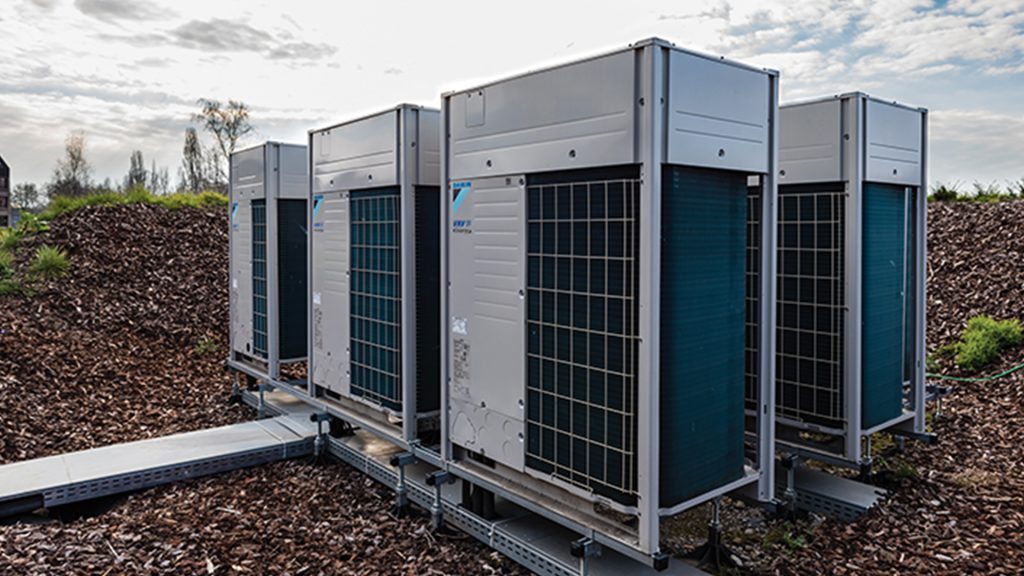
Before you can choose a supplier, it’s essential to understand the product. So, what is vrf? VRF stands for Variable Refrigerant Flow. Unlike traditional systems that circulate chilled water or push a constant volume of air, VRF systems use refrigerant as the cooling and heating medium. A single outdoor condensing unit connects to multiple indoor units, each capable of individual temperature control.
The “variable” part is the key. The system modulates the amount of refrigerant sent to each indoor unit based on its specific need. This means a conference room can be cooled while an adjacent, unoccupied office receives no conditioning, saving tremendous amounts of energy. This technology answers the question, “what is vrf,” by showcasing its intelligence and efficiency. It’s a leap forward from the one-size-fits-all approach of older HVAC systems.
The Advantages of a VRF System
Why is VRF technology becoming the standard for commercial buildings, hotels, and luxury residences? The benefits are clear:
- Superior Energy Efficiency: By running at partial loads and only conditioning occupied spaces, VRF systems can reduce energy consumption by up to 40% compared to conventional systems.
- Zoned Comfort: Occupants can set their preferred temperature for their specific zone, eliminating “thermostat wars” and improving overall comfort and productivity.
- Quiet Operation: The main noise-producing components are located in the outdoor unit. The indoor units are whisper-quiet, making them ideal for noise-sensitive environments like hospitals, libraries, and bedrooms.
- Simultaneous Heating and Cooling: Advanced heat recovery VRF systems can take heat from a zone being cooled (like a server room) and transfer it to a zone that needs heating (like a perimeter office in winter). This “free” heating further boosts efficiency.
- Space-Saving Design: VRF systems typically require less ceiling space than traditional ducted systems and eliminate the need for large mechanical rooms.
Understanding these advantages is the first step. The next is finding a qualified VRF AC supplier to bring them to life.
Finding the Right Partner: What to Look for in a VRF AC Supplier
The complexity of VRF technology means that installation is not a job for a general HVAC technician. It requires specialized training and tools. Your choice of VRF AC supplier will directly impact the performance, reliability, and lifespan of your system. Here’s what to look for:
- Certified Expertise: The supplier should have factory-certified technicians for the brands they carry. This certification proves they have undergone rigorous training on design, installation, and service.
- Design Capabilities: A top-tier vrf supplier won’t just sell you boxes. They will have an in-house engineering team that performs detailed load calculations and creates a custom design for your building’s unique needs.
- Proven Track Record: Ask for a portfolio of past projects and client references. An experienced vrf supplier will have a history of successful installations in buildings similar to yours.
- Comprehensive Service: The relationship shouldn’t end after installation. Look for a VRF AC supplier that offers robust maintenance plans and responsive emergency service. This ensures your investment is protected for the long haul.
Workman Services meets all these criteria, positioning us as a leading VRF AC supplier for clients who demand excellence.
Understanding the Factors Behind the VRF AC Price
When you decide to vrf buy, budgeting is a primary concern. The vrf ac price is influenced by several key factors, and it’s important to consider the total cost of ownership rather than just the initial quote.
- System Type (Heat Pump vs. Heat Recovery): A standard heat pump VRF system can provide either heating or cooling to all zones at one time. A heat recovery system, which allows for simultaneous heating and cooling, is more complex and comes with a higher upfront vrf ac price, but it offers greater energy savings in diverse environments.
- Building Size and Complexity: The number of indoor units, the total length of refrigerant piping, and the difficulty of the installation all impact the final cost.
- Brand and Features: Premium brands with advanced controls and higher SEER (Seasonal Energy Efficiency Ratio) ratings will naturally have a different price point than more basic models.
- Labor and Design Costs: The expertise required for proper VRF design and installation is a significant component of the overall vrf ac price. Cutting corners here with a less qualified vrf supplier is a recipe for future problems.
While the initial vrf ac price may be higher than some alternatives, the long-term energy savings and reduced maintenance often result in a lower total cost over the system’s life.
Navigating Your VRF Buy: A Step-by-Step Process
Making a vrf buy is a significant investment. A professional vrf supplier will guide you through a structured process to ensure a successful outcome.
- Consultation and Assessment: The process begins with a thorough discussion of your needs and a site survey to evaluate your building’s layout, insulation, and existing infrastructure.
- System Design: The engineering team will use software to model the building’s heat loads and design a system that matches capacity to demand perfectly. This step answers the “what is vrf” question in a practical sense, mapping out the solution.
- Proposal and Selection: You’ll receive a detailed proposal outlining the recommended equipment, installation plan, and transparent pricing. This is the point where you finalize your vrf buy.
- Installation and Commissioning: Certified technicians install the system according to manufacturer specifications. The commissioning phase involves meticulously testing every component to ensure it operates at peak performance.
- Training and Handover: Your team will be trained on how to operate the new system, and you’ll receive all necessary documentation.
Comparing VRF Indoor Unit Types
One of the great strengths of VRF is the variety of indoor units available. This allows for customized solutions that fit the architectural style and function of any space.
|
Indoor Unit Type |
Best Application |
Key Advantage |
Aesthetic Impact |
|---|---|---|---|
|
Wall-Mounted |
Individual offices, hotel rooms, residential |
Cost-effective, easy to install and service |
Visible on the wall |
|
Ceiling Cassette |
Open-plan offices, retail stores, conference rooms |
Delivers 4-way airflow for even coverage |
Sits flush with the ceiling grid |
|
Concealed Ducted |
Luxury homes, high-end boardrooms, lobbies |
Completely invisible, uses small ducts |
No visible unit, only grilles |
|
Floor-Standing |
Perimeter zones with large windows, retrofits |
Easy to access, can replace old radiators |
Sits on the floor, similar to a console |
When you partner with a knowledgeable VRF AC supplier, they will help you select the ideal mix of units for optimal performance and aesthetics.
Conclusion: Investing in a Smarter Future
The question is no longer “what is vrf?” but rather, “when should we upgrade?” VRF technology represents the pinnacle of modern HVAC efficiency, flexibility, and comfort. It delivers a superior indoor experience while drastically reducing operational costs and environmental impact.
However, the key to unlocking these benefits lies in professional execution. Making the decision to vrf buy is just the beginning. The most crucial step is selecting an expert VRF AC supplier who can guide you from design to long-term maintenance. At Workman Services, we are dedicated to being that trusted partner, ensuring your investment in advanced climate control pays dividends for years to come.
Frequently Asked Questions (FAQ)
1. What is VRF and how is it different from a multi-split system?
“What is vrf?” is a common question. VRF (Variable Refrigerant Flow) is a highly sophisticated system where one outdoor unit can connect to dozens of indoor units. It continuously varies the refrigerant flow to each unit. A multi-split is a simpler version, where one outdoor unit typically connects to only a handful of indoor units, with less advanced control logic.
2. Is the VRF AC price worth the investment?
While the initial vrf ac price can be higher than traditional systems, the return on investment is often very compelling. The significant energy savings, reduced maintenance needs, and longer equipment lifespan typically lead to a lower total cost of ownership over 10-15 years, making it a sound financial decision for many building owners.
3. How do I find a reliable VRF supplier?
Look for a vrf supplier with official certifications from major manufacturers. Check their portfolio for similar projects, ask for client references, and ensure they offer comprehensive design, installation, and post-sales maintenance services. A reputable supplier will be a long-term partner, not just a seller.
4. Can I get a VRF system for my house?
Yes. While VRF originated in commercial applications, smaller-scale VRF systems (often called “mini-VRF”) are becoming very popular for large, high-end homes. They offer the same benefits of zoned comfort and energy efficiency. When you are ready for a residential vrf buy, consulting a specialized supplier is essential.
5. How long does a VRF system last?
With proper installation by a certified VRF AC supplier and consistent, professional maintenance, a VRF system can be expected to last 15 to 20 years, and sometimes longer. The longevity is one of the key justifications for the upfront investment.